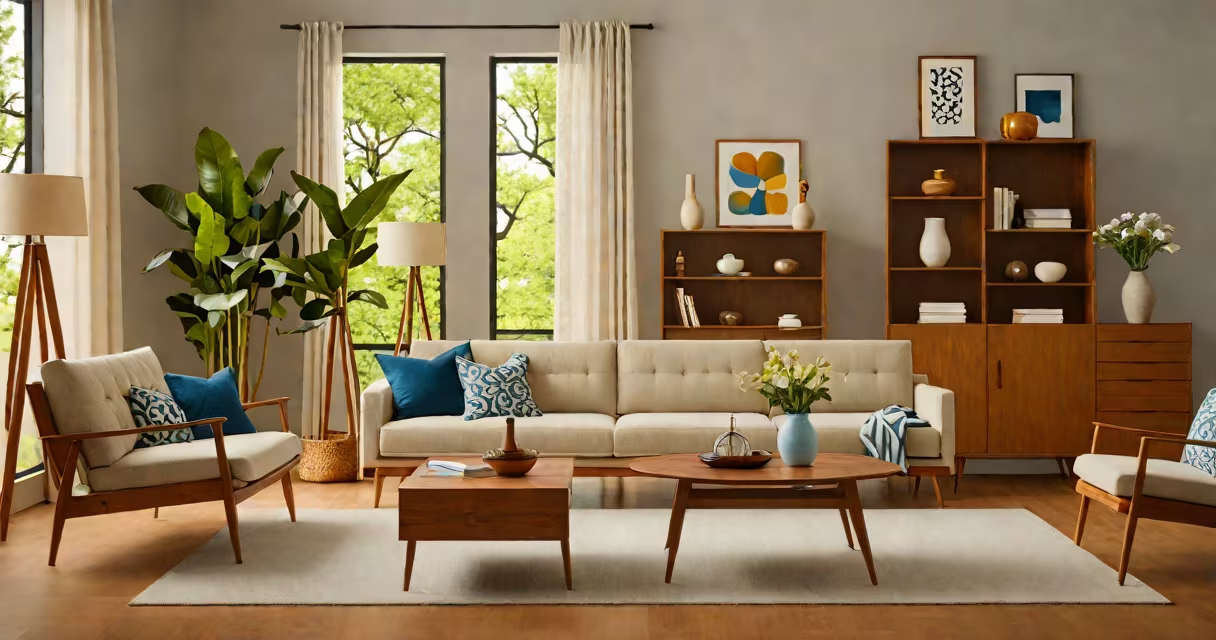
What is my style of home refers to the consistent visual identity of your living space, shaped by architectural form, material choices, color palettes, and furniture selection. It's the sum of design decisions that reflect your preferences, lifestyle, and cultural influences. This identity emerges not from a single piece but from recurring patterns in layout, finishes, and decor.
Home style is not a trend-it's a personal language. A house with exposed brick walls, dark oak floors, and vintage lighting may signal a Craftsman aesthetic. A home with floor-to-ceiling windows, flat roofs, and minimalist interiors points to modern design. These aren't random choices; they're deliberate expressions of taste, function, and history.
The American Institute of Architects (AIA) defines architectural style as "a recognizable set of characteristics in building design that reflect a particular time period, region, or cultural movement." Interior style extends this into the lived-in space-how you arrange furniture, layer textiles, and select artwork. Together, they form a cohesive whole.
Home style operates on two levels: architecture and interior design. Architecture sets the foundation-the roofline, window placement, and structural materials. Interior design fills in the details-the wall colors, flooring, lighting, and furnishings. Both work together to create a unified look.
For example, a Victorian-style home features steep gables, ornate woodwork, and asymmetrical facades. Inside, you'll find richly patterned wallpapers, deep red or forest green paint, and heavy drapery. The style communicates historical grandeur and emotional warmth. In contrast, a Scandinavian home uses light wood, neutral tones, and functional furniture. Its minimalism emphasizes calm and practicality.
These styles aren't static. They evolve. A 1950s ranch house might start with basic mid-century features-low-pitched roofs, large picture windows-but a homeowner might update it with shiplap walls and industrial pendant lights, blending old and new into a hybrid style called "modern farmhouse."
Understanding the most common styles helps clarify what "my style" might be. Below are ten widely recognized categories, each with defining traits and real-world examples.
| Style | Key Features | Real Example |
|---|---|---|
| Modern | Flat roofs, glass walls, open floor plans, neutral palette | Frank Lloyd Wright's Fallingwater, Pennsylvania |
| Mid-Century Modern | Organic shapes, teak wood, floor-to-ceiling windows, built-in shelving | Case Study House #22, Los Angeles (designed by Charles and Ray Eames) |
| Rustic | Exposed beams, stone fireplaces, reclaimed wood, earthy tones | Mountain cabins in Colorado or Vermont |
| Industrial | Exposed ductwork, concrete floors, metal fixtures, raw textures | Loft apartments in Brooklyn converted from old factories |
| Scandinavian | White walls, light wood, functional furniture, natural light focus | Designs from Swedish brand IKEA's flagship stores |
| Traditional | Formal symmetry, crown molding, rich wood finishes, classic patterns | Colonial homes in New England, such as those in Boston's Back Bay |
| Contemporary | Fluid lines, mixed materials, evolving trends, no strict rules | Renovated urban lofts in cities like Austin or Portland |
| Shaker | Simple joinery, muted colors, handcrafted furniture, minimal ornamentation | Amish-built homes in Pennsylvania and Ohio |
| French Country | Beamed ceilings, distressed wood, floral fabrics, warm whites and creams | Country villas in Provence, France |
| Bohemian | Eclectic mix, layered textures, global art, bold colors, plants everywhere | A Brooklyn apartment with Moroccan rugs, vintage mirrors, and hanging macramé |
Each style carries cultural weight. Mid-century modern emerged from postwar optimism and a desire for simplicity. Industrial design reflects urban renewal and repurposed factory spaces. Bohemian style draws from nomadic traditions and countercultural movements.
Your home style influences daily life. A cluttered, overly decorated space can increase stress. A calm, intentional environment supports mental well-being. Research from the University of California, Berkeley, shows that people in spaces aligned with their personal aesthetic report higher satisfaction and lower anxiety levels.
Style also affects resale value. According to the National Association of Realtors (NAR), homes with clear, consistent design themes sell faster and at higher prices than those with conflicting styles. A kitchen with mismatched cabinets and flooring from different decades can deter buyers.
When I remodeled my own apartment in Seattle, I struggled between modern minimalism and a cozy, book-filled retreat. I tested both layouts. The version with layered textiles, warm lighting, and curated books felt more like "me." That space became my favorite place to read and host friends. It wasn't the most expensive or trendy option-it was the one that matched my rhythm.
Many assume style is about cost or perfection. It's not. A $50 thrift store mirror can anchor a bohemian room better than a $5,000 designer piece if it fits the mood. Style is about intention, not budget.
Another mistake is thinking you must choose one style and stick to it. Hybrid styles are common and valid. A home with a modern kitchen and a vintage bathroom is not inconsistent-it's personalized. The key is coherence: do the elements feel like they belong together?
Some confuse "style" with "trend." A trend is temporary. A style endures. For example, shiplap walls were a 2010s trend. Today, they're still used-but only when paired with thoughtful design. A home with shiplap and mismatched lighting feels dated. The same walls with warm-toned fixtures and natural fiber rugs feel timeless.
Start by collecting images. Open Pinterest or Instagram and search "living room style." Save 10-15 photos that make you pause. Ask: "Why do I like this?" Is it the light? The texture? The way the furniture sits in the space?
Then, visit local showrooms or open houses. Walk through rooms and notice how the space feels. Does it invite you in? Does it feel chaotic or serene? Physical experience matters more than online inspiration.
Finally, audit your current space. List five items you love. What do they have in common? A color? A material? A shape? That's your core. Build from there.
What is my style of home? It's not a label. It's a reflection of who you are, how you live, and what comfort means to you. You don't need permission to define it. You just need to notice.