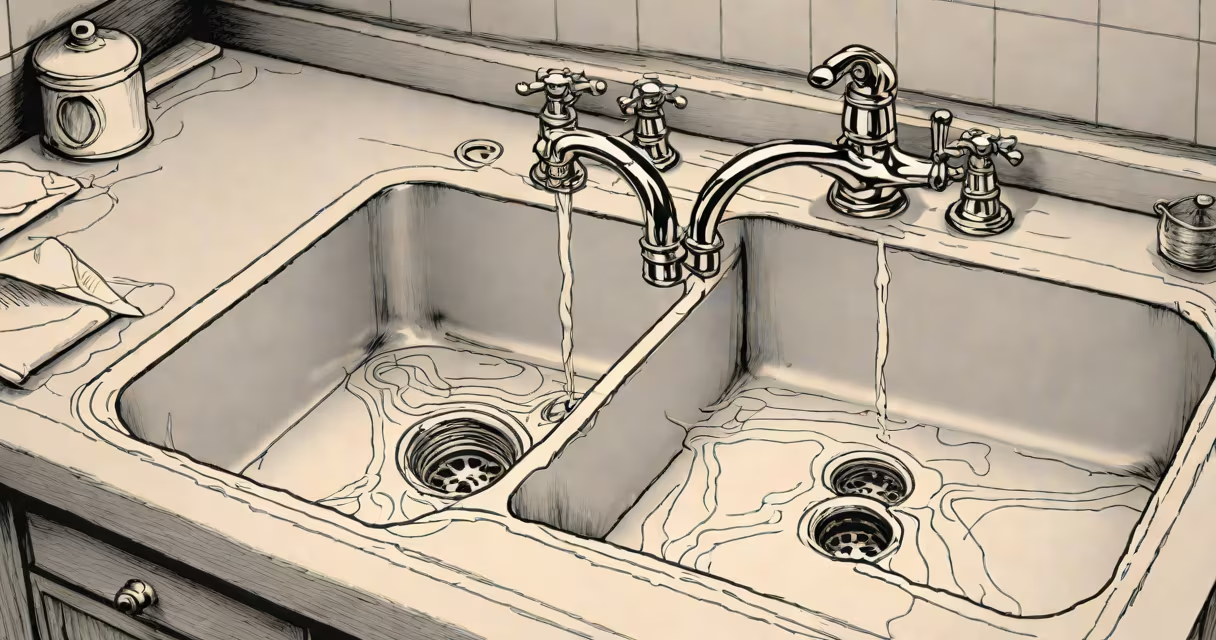
A P trap under sink is a U-shaped pipe installed beneath sinks to block sewer gases from entering living spaces while allowing wastewater to flow out. It maintains a water seal that acts as a barrier between the drain system and indoor air.
The P trap is a standard component in residential and commercial plumbing. Its design helps water remains in the lowest part of the curve after each use, preventing odors and harmful pathogens from backing up into kitchens and bathrooms. Without it, homes would routinely emit unpleasant and potentially dangerous sewer smells.
According to the International Plumbing Code (IPC), all plumbing fixtures must have an effective trap to prevent contamination. The P trap meets this requirement by creating a physical and chemical barrier using standing water.
When water flows down the drain, it fills the curved portion of the P trap. After the water drains, a small amount remains in the bend. This retained water forms a seal that blocks gases from traveling upward through the drainpipe.
As long as the water level is maintained, the seal stays intact. If the trap dries out-due to infrequent use or evaporation-the seal breaks, allowing sewer gas to enter. This is why rarely used sinks, such as guest bathrooms or seasonal showers, may develop foul odors over time.
For example, a kitchen sink used daily keeps the trap filled. But a basement laundry sink used once a month may dry out, leading to noticeable sewer smells. Running water for 10 seconds every few weeks prevents this issue.
P traps are typically made from PVC, ABS plastic, brass, or galvanized steel. Most modern homes use PVC due to its low cost, corrosion resistance, and ease of installation. Brass traps are used in high-end fixtures or where durability is critical.
The standard size for a residential P trap is 1.5 inches in diameter. Larger traps (2 inches) are used for floor drains or heavy-duty applications. The trap's vertical height must allow enough space for the water seal-typically 2 to 4 inches-to form properly.
Some older homes feature S traps, which are similar but lack a cleanout access point. The IPC now requires P traps over S traps because they're less prone to siphoning during flush cycles. A P trap includes a cleanout plug, making it easier to clear clogs without disassembly.
| Material | Best For | Common Issues |
|---|---|---|
| PVC | Kitchen and bathroom sinks | Brittle over time; can crack under pressure |
| Brass | High-use or luxury fixtures | Expensive; susceptible to mineral buildup |
| Galvanized Steel | Older homes with cast iron systems | Rusts easily; limited lifespan |
P traps are required under all plumbing fixtures connected to a drain system: kitchen sinks, bathroom sinks, laundry tubs, and utility sinks. They are not used in shower drains or floor drains unless connected via a branch line.
They serve three core functions: odor prevention, debris capture, and siphon protection. The water seal stops sewer gases. Debris like hair, food particles, and soap scum collect in the trap, reducing strain on downstream pipes. And the design resists siphoning caused by rapid water flow.
For instance, a kitchen sink trap captures grease and food scraps. Over time, these materials build up and can cause slow drainage. Regular maintenance prevents clogs and extends the life of the entire drainage system.
Many people assume that a P trap is optional or that a sink can work without one. This is false. The National Plumbing Code mandates a trap for every fixture. Installing a sink without a trap violates building codes and creates health risks.
Another misconception is that P traps are interchangeable. They are not. A 1.5-inch trap won't fit a 2-inch drain pipe. Using the wrong size causes leaks, poor drainage, and potential code violations during inspections.
One non-obvious fact: P traps can fail even when full of water. If the trap is improperly sloped or the vent pipe is blocked, negative pressure can pull the water seal away. This is called siphoning. A properly vented system prevents this by equalizing pressure.
Consider a kitchen sink with a slow-draining P trap. After months of washing dishes, grease and food waste accumulate in the trap. The water level drops slightly, and the seal weakens. Sewer gas begins to seep through the drain.
To fix it, first pour boiling water down the drain. If that doesn't help, use a plunger. If the clog persists, remove the P trap manually. Unscrew the slip nuts, empty the trapped debris, clean the interior with a brush, then reinstall. Reattach the trap and run water to test.
I once removed a P trap from a rental unit where the previous tenant had poured cooking oil down the drain. The trap was full of hardened grease. After cleaning, the sink drained normally. This shows how important regular upkeep is-even with a functioning trap.
The P trap under sink is not a decorative element-it's a critical safety device. It maintains indoor air quality, prevents pest entry, and supports proper drainage. Understanding its role ensures you maintain a healthy, odor-free home.