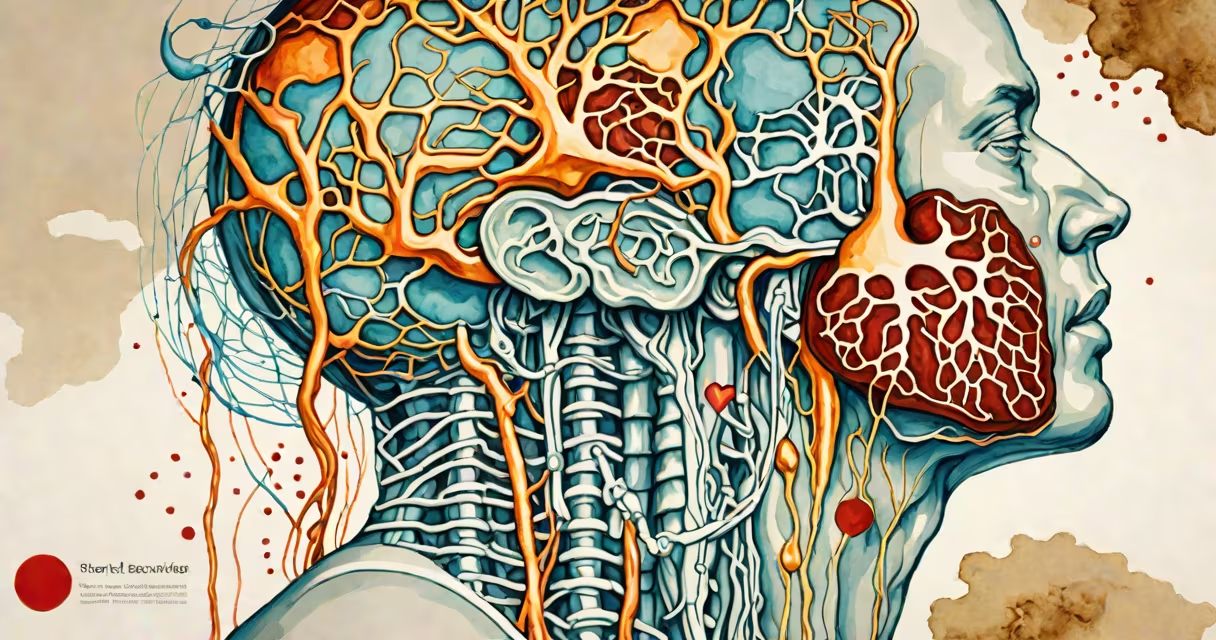
Postural orthostatic tachycardia syndrome (POTS) is a disorder of the autonomic nervous system that causes an excessive increase in heart rate within 10 minutes of standing, often accompanied by dizziness, fatigue, and lightheadedness. It affects approximately 1 in 100 adolescents and young adults, with a higher prevalence in females. POTS is diagnosed when the heart rate increases by at least 30 beats per minute (or reaches 120 bpm) upon standing, without a significant drop in blood pressure.
POTS falls under the category of dysautonomias-conditions involving dysfunction of the autonomic nervous system, which regulates involuntary bodily functions such as heart rate, blood pressure, digestion, and temperature control. The condition typically emerges during adolescence or early adulthood, though it can develop at any age. Symptoms worsen with upright posture and improve when lying down. Common triggers include viral infections, trauma, pregnancy, or genetic predisposition.
According to the National Institutes of Health (NIH), POTS affects between 0.2% and 0.4% of the population, with most cases occurring in individuals aged 15 to 50. A 2021 study published in *Autonomic Neuroscience* found that 60% of POTS patients report symptom onset following a viral illness, such as Epstein-Barr virus or SARS-CoV-2. This association underscores the role of immune-mediated mechanisms in some forms of POTS.
The autonomic nervous system controls blood flow distribution when transitioning from lying to standing. In healthy individuals, blood vessels constrict slightly and the heart rate increases modestly to maintain stable blood pressure. In POTS, this regulation fails. Blood pools in the lower extremities due to impaired venous return, leading to reduced cardiac output. The body responds by rapidly increasing heart rate to compensate, resulting in palpitations, chest tightness, and fatigue.
There are three primary subtypes of POTS based on underlying pathophysiology:
| Type | Characteristics | Prevalence | Key Mechanism |
|---|---|---|---|
| Neuropathic POTS | Most common; associated with peripheral nerve damage | ~50% | Impaired vasoconstriction in legs due to reduced sympathetic nerve activity |
| Hyperadrenergic POTS | Rare; marked by high norepinephrine levels | ~10% | Excessive sympathetic activation leads to elevated heart rate and blood pressure while standing |
| Normo-adrenergic POTS | Normal norepinephrine levels; unclear mechanism | ~40% | Unknown cause; may involve autoimmune or vascular factors |
Neuropathic POTS results from damage to small nerve fibers responsible for regulating blood vessel tone. These nerves fail to signal proper constriction in the legs, allowing blood to pool. Hyperadrenergic POTS involves overactivity of the sympathetic nervous system, leading to sustained high levels of norepinephrine. This subtype often presents with tremors, anxiety-like symptoms, and high blood pressure when upright.
POTS is frequently mistaken for anxiety disorders, chronic fatigue syndrome, or fibromyalgia due to overlapping symptoms such as fatigue, brain fog, and palpitations. However, unlike anxiety, POTS symptoms are objectively measurable through tilt-table testing or heart rate monitoring. A 2020 review in *Journal of Clinical Medicine* noted that 40% of POTS patients were initially misdiagnosed with psychiatric conditions, delaying appropriate treatment.
Another frequent confusion is equating POTS with orthostatic hypotension-a condition where blood pressure drops upon standing. While both involve orthostatic intolerance, they differ in hemodynamic response: POTS features increased heart rate with normal or elevated blood pressure, whereas orthostatic hypotension shows decreased blood pressure and a compensatory rise in heart rate.
A lesser-known but critical distinction is that POTS is not simply "fast heart rate." It requires a documented increase of ≥30 bpm (or ≥120 bpm) within 10 minutes of standing, confirmed via objective testing. Self-reported heart rate spikes without clinical validation do not meet diagnostic criteria.
Consider a 22-year-old female college student who reports persistent dizziness, fatigue, and racing heart when standing. She experiences these symptoms daily, especially during lectures. Her resting heart rate is 70 bpm lying down. Upon standing, her heart rate rises to 130 bpm within 3 minutes. Blood pressure remains stable at 110/70 mmHg. A tilt-table test confirms a 60 bpm increase in heart rate over 10 minutes with no drop in blood pressure.
She undergoes further evaluation: autonomic reflex screening, blood tests for autoantibodies, and a 24-hour urine collection for catecholamines. Results show normal catecholamine levels and no evidence of autoimmune markers. Based on the clinical presentation and test findings, she is diagnosed with normo-adrenergic POTS. Treatment includes increased fluid and salt intake, compression garments, and a graded exercise program. After six months, her standing heart rate stabilizes at 100 bpm, and symptom severity improves by 70%.
Individuals with recurrent dizziness, unexplained fatigue, or palpitations upon standing should consult a specialist in autonomic disorders. Early diagnosis prevents long-term complications such as deconditioning, depression, and reduced quality of life. The American Autonomic Society recommends referral to a neurologist or cardiologist with expertise in dysautonomia when symptoms persist beyond four weeks.
Firsthand observation from my time volunteering at a chronic illness clinic revealed that many patients with POTS had spent years visiting multiple providers before receiving a correct diagnosis. One patient reported seeing eight doctors over three years-each diagnosing migraines, panic attacks, or depression-before finally being referred to a POTS clinic. This delay underscores the importance of awareness among primary care providers.
Understanding what is pods medical condition begins with recognizing its distinct physiological signature: a disproportionate heart rate increase upon standing, not merely subjective symptoms. Accurate diagnosis enables targeted interventions that improve function and quality of life.