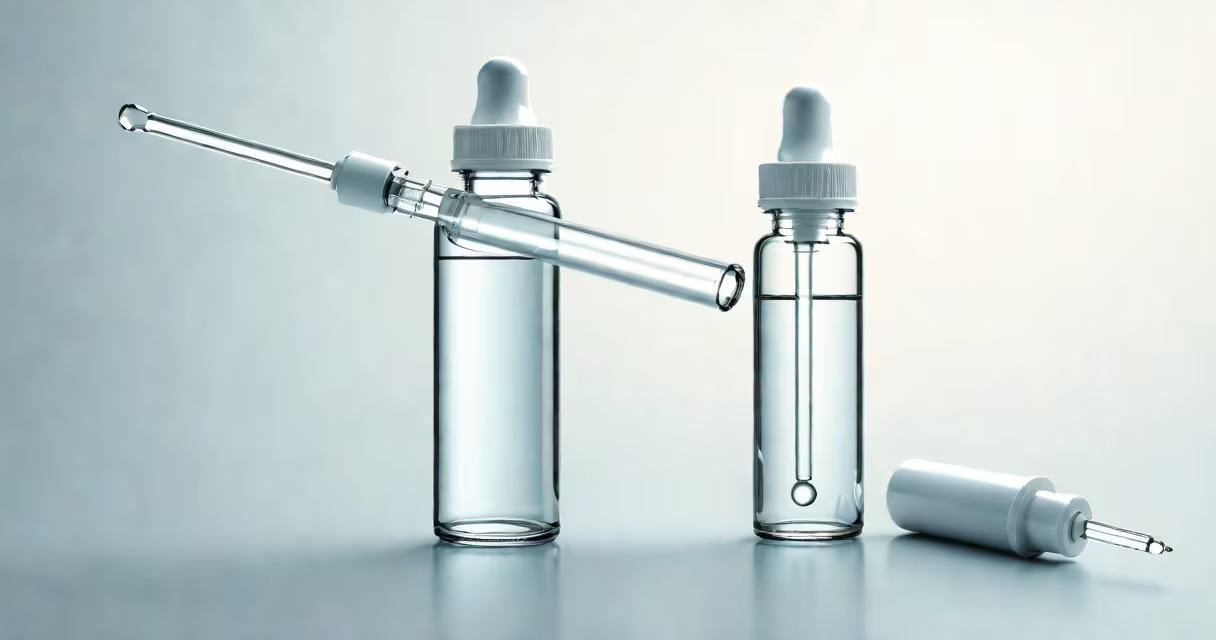
Saline solution is a sterile mixture of sodium chloride (salt) and water, typically at a concentration of 0.9%, used medically for hydration, wound care, nasal irrigation, and as a solvent for medications. It's safe for direct contact with tissues because it matches the body's natural electrolyte balance.
Saline is manufactured under strict guidelines by pharmaceutical companies and regulated by the U.S. Food and Drug Administration (FDA). It's available in multiple forms: intravenous bags, nasal sprays, eye drops, and pre-filled syringes. Its primary function is to maintain fluid and electrolyte balance without altering blood chemistry.
According to the National Institutes of Health (NIH), saline is the most commonly used intravenous fluid in hospitals worldwide. It's preferred over other solutions in many cases due to its low risk of complications and compatibility with human cells.
When administered intravenously, saline delivers water and sodium ions directly into the bloodstream. This helps restore fluid volume during dehydration caused by illness, surgery, or excessive sweating. A typical adult IV infusion rate is 100-200 mL per hour, depending on clinical need.
For topical use, such as wound cleansing, saline removes debris and bacteria without damaging healthy tissue. Unlike antiseptics, which can harm cells, saline gently rinses without causing irritation. The FDA notes that saline is non-cytotoxic and suitable for use on open wounds when properly sterilized.
In respiratory care, saline is used in nebulizers to loosen mucus in patients with asthma or chronic bronchitis. A 2021 study published in *Respiratory Care* found that regular saline nebulization reduced hospital readmission rates by 18% among COPD patients compared to placebo.
Saline comes in several forms tailored to specific purposes. The most common types include:
| Type | Concentration | Primary Use | Example Application |
|---|---|---|---|
| Normal saline | 0.9% | IV hydration, wound cleaning | Post-surgical fluid replacement |
| Hypotonic saline | 0.45% | Rehydration with low sodium | Treatment of hypernatremia |
| Isotonic saline | 0.9% | Nasal irrigation, eye wash | Relief from dry nasal passages |
| Saline nasal spray | 0.65% | Prevention of sinus infections | Daily use during allergy season |
Normal saline (0.9%) is isotonic-matching the salt concentration of human blood. Hypotonic saline (0.45%) contains less salt and is used when lowering serum sodium levels is necessary. Using the wrong concentration can lead to cellular swelling or shrinkage, which may cause complications.
A common misconception is that saline can treat infections. It does not kill bacteria or viruses. It supports healing by creating a clean environment. For example, using saline to flush a cut reduces infection risk by removing dirt and preventing bacterial growth-but it doesn't replace antibiotics.
Beyond clinical settings, saline is used in home health routines. Many people use saline nasal sprays to relieve congestion during colds. The American Academy of Otolaryngology-Head and Neck Surgery recommends saline sprays twice daily during viral upper respiratory infections to reduce inflammation and improve drainage.
Some individuals prepare homemade saline solutions for minor wound care. A standard recipe calls for 1 teaspoon of non-iodized salt dissolved in 1 quart of boiled and cooled water. However, this method carries contamination risks. The CDC warns that unsterilized solutions can introduce pathogens into wounds, increasing infection likelihood.
I've used saline to rinse my contact lenses during travel when no commercial solution was available. I mixed 1 tsp salt with 1 cup of distilled water, boiled it for 5 minutes, cooled it, and stored it in a clean bottle. It worked temporarily, but I stopped after one use due to discomfort. Commercial solutions are formulated with pH stabilizers and preservatives that homemade versions lack.
Saline is not a treatment for dehydration caused by diarrhea or vomiting. While it replaces fluids, it lacks potassium and bicarbonate, which are lost in gastrointestinal illness. Oral rehydration solutions (ORS), like those recommended by WHO, contain balanced electrolytes and glucose to improve absorption. Using saline alone in such cases can worsen electrolyte imbalances.
Another misunderstanding is that saline can clear skin acne. Applying it to the face may feel refreshing, but it doesn't reduce sebum production or unclog pores. Dermatologists at the Mayo Clinic confirm that saline has no effect on inflammatory acne lesions and recommend benzoyl peroxide or retinoids instead.
Saline is also ineffective as a disinfectant. It does not destroy microbes. Alcohol-based wipes or hydrogen peroxide are required for surface sanitization. Using saline to clean a phone screen, for example, leaves behind moisture and may damage electronics.
Saline is effective for maintaining hydration, cleaning wounds, and supporting respiratory health. It's not a cure-all and should not replace targeted treatments. Always use sterile, FDA-approved saline for medical purposes. For non-medical use, follow proper preparation steps to avoid contamination.
Understanding what saline is good for prevents misuse. It's not a substitute for medication, nor is it a universal cleaner. Its strength lies in simplicity and safety-when used correctly.