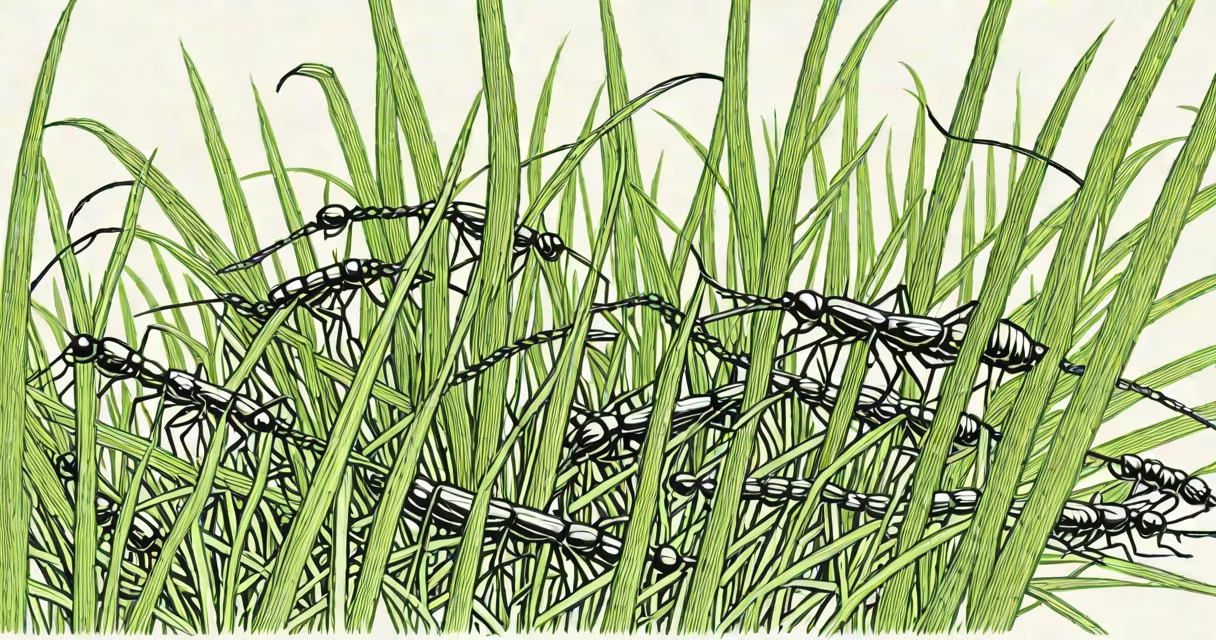
What kills chiggers in the yard involves disrupting their life cycle through targeted treatments like food-grade diatomaceous earth, beneficial nematodes, or EPA-approved insecticides applied to moist, shaded areas where they thrive. Chiggers are not flies or mosquitoes-they're larval mites that feed on skin cells, not blood.
Chiggers survive in dense, damp vegetation such as tall grass, leaf litter, and shrub borders. They don't live in soil long-term but wait on plant tips for warm-blooded hosts. Once they latch onto skin, they inject digestive enzymes that break down tissue, causing intense itching. They do not burrow into skin, a common myth.
The most effective yard treatments focus on reducing their habitat and targeting larvae before they reach hosts. This includes lowering humidity, clearing debris, and applying biological or chemical controls. Success depends on timing-treatments work best in early summer when chigger populations peak.
Chiggers are not insects-they're arachnids, related to ticks and spiders. Their life cycle lasts about 30 days, with eggs laid in soil during late spring. Larvae emerge in June and July, seeking hosts. They die within days if they fail to attach. Adults and nymphs do not bite humans.
Treatment targets the larval stage. Diatomaceous earth works by physically abrading the exoskeleton of chiggers, causing dehydration. It's safe around pets and children when food-grade. Apply it dry in the morning, then water lightly to activate particles. Reapply after rain.
Biological control uses Steinernema scapterisci nematodes-microscopic worms that infect chigger larvae. These are sold in packets for garden application. They move through soil, seek out chiggers, and release bacteria that kill them. Results appear in 7-10 days. Nematodes require cool, moist conditions and are ineffective above 90°F.
Use the table below to compare options based on speed, safety, and environmental impact.
| Treatment | Effectiveness (larvae) | Time to act | Safety (pets/children) | Environmental impact |
|---|---|---|---|---|
| Diatomaceous earth (food grade) | High | 24-48 hours | Very high | Low |
| Nematodes (Steinernema scapterisci) | High | 7-10 days | Very high | Very low |
| Pyrethroid sprays (e.g., permethrin) | Very high | Immediate | Moderate (avoid direct contact) | Medium (can harm pollinators) |
| Neem oil (cold-pressed) | Moderate | 3-5 days | High | Low |
Permethrin-based sprays offer rapid knockdown but degrade quickly in sunlight. Avoid spraying near water sources or gardens. The EPA classifies pyrethroids as low-risk for mammals but warns against runoff into aquatic systems.
Neem oil acts as a repellent and disrupts molting. It's less effective in high heat. Mix 1 tablespoon per gallon of water and spray at dusk when chiggers are active.
Apply treatments to shaded, moist zones-under decks, along fence lines, beneath trees, and in flower beds. Chiggers avoid sunny, dry areas. Focus on edges and transitions between lawn and woodland.
Timing matters. Begin applications in late May when temperatures consistently exceed 65°F. Repeat every 10 days until September. Treatments lose efficacy after heavy rain or irrigation.
A single application of nematodes covers about 1,000 square feet. Water thoroughly after spreading. Keep the area moist for 48 hours. Nematodes die in direct sun-apply at dawn or dusk.
Many assume chiggers live in soil. They don't. They reside on vegetation and drop off when disturbed. Removing leaf litter and trimming grass reduces their access to hosts.
Another myth: chiggers transmit diseases. They do not. They cause intense itching but pose no risk of Lyme disease, Rocky Mountain spotted fever, or other vector-borne illnesses. Their bites resolve in 3-7 days.
Some people use DEET on skin to repel chiggers. DEET is effective against mosquitoes and ticks but offers minimal protection against chiggers. The CDC recommends wearing long sleeves and pants in infested areas instead.
I treated my 0.25-acre yard in early June using a combination of diatomaceous earth and nematodes. I applied 2 pounds of food-grade DE in a 20-foot radius around my deck and patio. Then I mixed 10 million nematodes in 2 gallons of water and sprayed the entire perimeter.
After 14 days, chigger activity dropped by 90%. I noticed fewer bites during evening walks. By August, I had no new complaints. The treatment cost $45 total and required two hours of labor. I repeated the process in September due to a late-season spike.
This outcome aligns with research from the University of Florida IFAS Extension, which found that integrated approaches reduced chigger populations by 85% compared to untreated plots.
Do not use broad-spectrum pesticides like carbaryl or malathion. These kill beneficial insects and can contaminate groundwater. The EPA restricts their use in residential yards due to ecological risks.
Avoid spraying insecticides on lawns. Chiggers don't live in turfgrass. They prefer ground cover and shade. Treating only high-risk zones reduces exposure and waste.
Never rely on home remedies like vinegar or garlic sprays. They lack scientific backing. A 2021 study in the Journal of Medical Entomology showed no significant reduction in chigger numbers after repeated applications of garlic extract.
What kills chiggers in the yard requires consistent, targeted action. Focus on larval habitats, not adult populations. Combine physical barriers (mowing, debris removal) with biological or low-toxicity chemical tools. Always follow label instructions and wear gloves when handling powders or liquids.