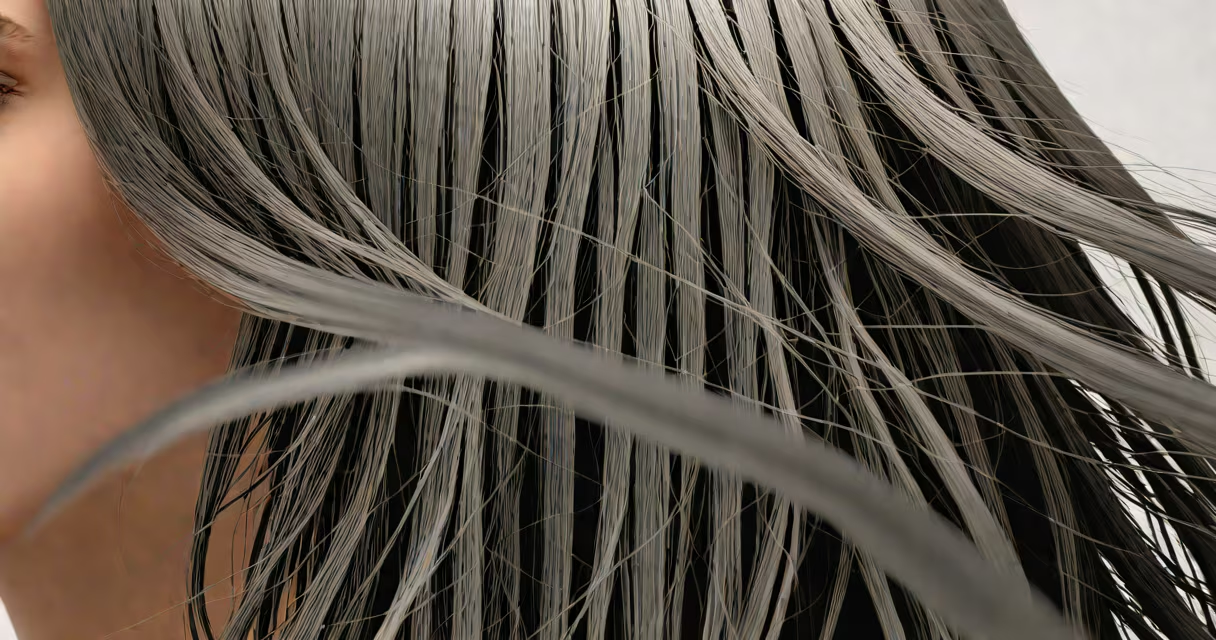
Hair fall is normal, but losing more than 100 strands daily may signal a treatable condition. Addressing root causes-like hormonal shifts, poor nutrition, or scalp inflammation-is essential to regrow density and prevent further thinning.
Normal shedding occurs during washing, brushing, or daily activities. But persistent thinning, receding hairlines, or visible scalp patches suggest imbalance. The American Academy of Dermatology confirms that most people lose 50-100 hairs per day, but exceeding this threshold requires attention.
When hair fall becomes noticeable, it's not just cosmetic-it reflects internal health. Hormonal changes, genetics, stress, and nutrient gaps all disrupt the hair growth cycle. Identifying triggers early improves outcomes. For example, a 2022 study in *Dermatologic Therapy* linked low iron levels to increased telogen effluvium-a condition where hair enters resting phase prematurely.
Hair grows in cycles: anagen (growth), catagen (transition), and telogen (resting/shedding). Normally, 85% of scalp hair is in anagen. When this balance breaks, more follicles enter telogen prematurely.
Triggers include sudden illness, childbirth, crash dieting, or high-stress events. These cause telogen effluvium, which typically resolves within 6 months. But chronic stress or ongoing nutritional deficits can prolong it. A 2021 review in *Journal of Clinical and Aesthetic Dermatology* noted that 30% of patients with persistent hair fall had undiagnosed hypothyroidism.
Androgenetic alopecia-commonly called male or female pattern baldness-results from genetic sensitivity to dihydrotestosterone (DHT). This hormone shrinks follicles over time, leading to permanent thinning. Early intervention slows progression. Minoxidil (topical) and finasteride (oral) are FDA-approved treatments that extend anagen and reduce DHT effects.
Not all hair fall stems from the same source. Common drivers include:
Tracking patterns matters. If shedding spikes after starting a new drug or diet, pause and consult a provider. A single episode may resolve on its own. But recurring thinning demands evaluation.
Effective approaches combine lifestyle adjustments, targeted supplements, and clinical treatments. Start with fundamentals:
For advanced cases, prescription options exist. Minoxidil 5% solution applied twice daily increases vellus (fine) hair growth. Finasteride 1 mg daily inhibits DHT conversion. Both require consistent use-results appear after 4-6 months.
Non-invasive therapies show promise. Low-level laser therapy (LLLT) devices emit red light to stimulate follicular metabolism. A 2022 meta-analysis in *Photomedicine and Laser Surgery* reported 30% greater hair count increase after 24 weeks of use compared to placebo.
Many assume hair fall is inevitable with age. But while genetics play a role, environmental factors dominate. A 2023 survey by the National Hair Foundation found that 68% of respondents believed "thin hair = old age," yet 42% reversed shedding after correcting iron deficiency.
Another myth: "natural" equals safe. Essential oils like rosemary or peppermint may improve scalp circulation-but diluted improperly, they cause irritation. A 2021 case report documented contact dermatitis in a patient using undiluted peppermint oil.
Also, frequent shampooing doesn't cause hair fall. Daily washing removes shed strands, creating false alarm. The key is frequency, not damage. Washing every 2-3 days suits most scalp types.
And here's a lesser-known fact: hair fall often peaks 3 months after a major life event. Postpartum shedding typically begins around week 12 post-delivery, not immediately. This delay confuses many-timing matters for diagnosis.
Sarah, 34, noticed her ponytail looked thinner after a 2-month period of intense work stress. She lost 150 strands daily, confirmed via a hair pull test. Her doctor ordered labs: iron was 18 ng/mL (low), vitamin D was 18 ng/mL (deficient), and TSH was 5.2 mIU/L (elevated).
She began: 15 mg zinc, 1000 IU vitamin D3, 2.5 mg biotin, and 100 mcg levothyroxine. She stopped using heated styling tools and switched to a mild shampoo. After 4 months, iron rose to 45 ng/mL, TSH normalized, and shedding dropped below 50 strands/day.
At 8 months, she reported visible regrowth at the crown. A follow-up trichoscopy showed increased terminal hair density. Her case illustrates that treating root causes-not just symptoms-leads to lasting results.