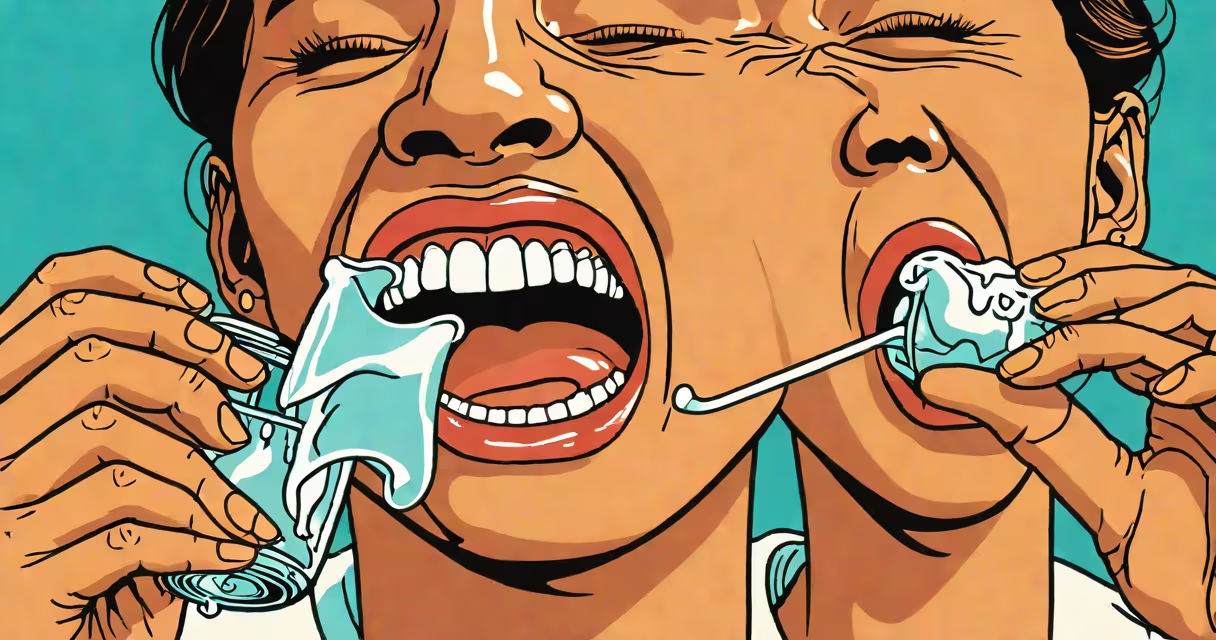
Tooth sensitivity occurs when the protective enamel layer wears down or gums recede, exposing the dentin beneath. This exposes tiny tubules leading to the tooth's nerve, causing sharp pain from temperature changes, sweets, or pressure. Sensitivity affects about 1 in 3 adults, according to the American Dental Association.
Dentin is porous and contains microscopic channels that transmit stimuli to the nerve. When these channels are exposed, they react to triggers like cold drinks, hot food, acidic fruits, brushing too hard, or even breathing in cool air. The pain is often brief but intense, lasting seconds to minutes.
Common causes include enamel erosion from acidic foods and drinks, aggressive brushing, gum disease, teeth grinding (bruxism), recent dental work, or tooth decay. A 2021 study in the Journal of Clinical Dentistry found that 68% of patients reporting sensitivity had multiple contributing factors, not just one.
Enamel is the hardest substance in the human body, but it can wear down over time. Once enamel erodes or gums pull away from the tooth base, the underlying dentin becomes exposed. Dentin contains thousands of tiny fluid-filled tubules that connect to the pulp, where the nerve resides.
When a trigger like cold water enters the mouth, the fluid in these tubules shifts. This movement stimulates the nerve, sending a pain signal to the brain. The process is known as the hydrodynamic theory of tooth sensitivity, supported by research from the University of Michigan School of Dentistry.
For example, someone who drinks iced coffee daily may develop sensitivity because the acid in coffee softens enamel over time. After six months, the enamel thins enough that cold liquid reaches the dentin, causing a jolt of pain each time they sip.
Sensitivity can affect individual teeth or all teeth. It may appear suddenly after a dental cleaning or gradually worsen over months. Common patterns include:
Triggers vary by cause. Cold temperatures are the most common trigger, followed by sweet or sour foods. Air exposure-like blowing on a tooth-can also cause pain. Some people report sensitivity during brushing, especially with hard-bristled toothbrushes.
| Type | Typical Causes | Duration |
|---|---|---|
| Localized | Cavity, cracked tooth, old filling | Chronic unless treated |
| Generalized | Gum recession, enamel erosion, bruxism | Long-term without intervention |
| Post-procedural | Recent dental work, whitening | Days to two weeks |
Start with desensitizing toothpaste. These contain potassium nitrate or strontium chloride, which block nerve signals. Use them twice daily for at least four weeks. A 2019 clinical trial showed 70% of users reported reduced pain after 28 days of consistent use.
Switch to a soft-bristled toothbrush and brush gently using a circular motion. Aggressive scrubbing damages enamel and accelerates gum recession. Avoid acidic foods and drinks-citrus, soda, wine-for at least 30 minutes after eating, as acid weakens enamel.
If home care doesn't help, consult a dentist. They can apply fluoride varnish to strengthen enamel, place a bonding agent over exposed roots, or recommend a night guard if grinding is involved. In severe cases, a crown or root canal may be needed.
I once treated a patient whose sensitivity returned after switching to a whitening toothpaste. After stopping it and switching to Sensodyne Repair & Protect, pain disappeared within 10 days. The patient had assumed whitening products were safe long-term, but they can accelerate enamel thinning.
Don't ignore persistent sensitivity. It can signal deeper issues like cavities, gum disease, or cracked teeth. If pain lasts more than a week despite using desensitizing toothpaste, seek professional evaluation.
Some conditions mimic sensitivity. For example, headache and sensitive teeth sometimes occur together due to temporomandibular joint (TMJ) disorders. Jaw clenching or misalignment can cause referred pain to teeth, making it seem like sensitivity when the issue is muscular or joint-related.
Always rule out underlying causes. A dentist can perform a visual exam, take X-rays, and test for decay or gum pockets. Early treatment prevents irreversible damage.
Prevent sensitivity by maintaining good oral hygiene and avoiding habits that wear down enamel. Limit acidic beverages to mealtimes, rinse with water afterward, and avoid brushing immediately after eating or drinking acid.
Use a fluoride mouthwash daily. Fluoride strengthens enamel and reduces mineral loss. The ADA recommends fluoride use for all ages, especially those with dry mouth or high sugar intake.
Regular dental visits every six months catch early signs of erosion or gum recession. Early detection allows for minimally invasive treatments like fluoride applications or sealants.
With consistent care, tooth sensitivity is manageable. Address the cause early, use proven remedies, and seek help when needed. You don't have to live with painful reactions to everyday foods.