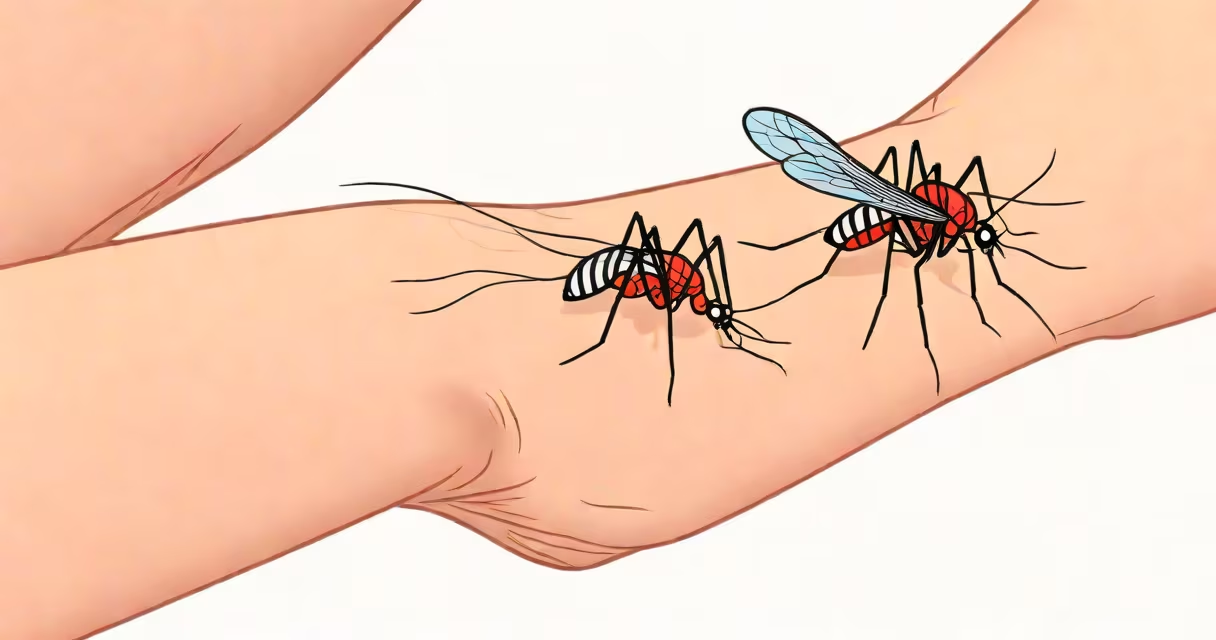
You're getting bitten frequently because insects such as mosquitoes, bed bugs, or fleas are attracted to your presence through carbon dioxide, body heat, sweat, or specific scents. These pests seek blood meals to survive and reproduce, and certain individuals are more appealing due to biological factors.
Most frequent culprits include mosquitoes, which are drawn to movement and breath; bed bugs, which feed at night and hide in mattresses and walls; and fleas, often brought in by pets. Each species targets humans differently based on timing, location, and behavior. Identifying the type of bite is essential to addressing the root cause.
According to the Centers for Disease Control and Prevention (CDC), mosquitoes transmit diseases like West Nile virus and Zika, while bed bugs are linked to sleep disruption and anxiety. The American Academy of Dermatology notes that bites from multiple insects can mimic each other, leading to misdiagnosis and ineffective treatment.
Insects locate hosts using sensory cues. Mosquitoes detect exhaled carbon dioxide from up to 50 feet away, then home in on body heat and lactic acid in sweat. Bed bugs rely on warmth and CO₂ to find sleeping hosts, typically biting between 2 a.m. and 5 a.m. Fleas jump from pets or carpets and prefer warm, moist areas like ankles and wrists.
When a female mosquito bites, she injects saliva to prevent clotting. This triggers histamine release in your skin, causing itching and redness. Bed bug bites often appear in lines or clusters, while flea bites are small, raised, and intensely itchy.
A 2021 study published in *PLOS ONE* found that people with blood type O are twice as likely to attract mosquitoes compared to those with type A. This genetic factor explains why some individuals draw more attention from biting insects, even in the same environment.
Understanding the differences between pests helps pinpoint the source of bites. Here's how to distinguish them:
| Pest | Biting Time | Bite Pattern | Common Locations | Distinctive Traits |
|---|---|---|---|---|
| Mosquito | Dawn to dusk | Isolated red bumps | Exposed skin | Itching starts minutes after bite |
| Bed bug | Nighttime | Line or cluster of bites | Arms, neck, face | Often in a row; may take days to appear |
| Flea | Day or night | Small, red, itchy bumps | Ankles, waistline | Often around pet bedding or carpet edges |
Bed bug infestations are often missed until they grow large. The CDC reports that one adult bed bug can lay 1-5 eggs per day, producing hundreds in weeks. You may not notice bites until the population reaches 50 or more.
One non-obvious clue: bed bug bites rarely show up on the scalp or forehead. If you're waking up with bites on your head, consider head lice or allergic reactions to hair products instead.
Bites occur most often in homes with poor sealing, cluttered spaces, or pets that bring in pests. Mosquitoes breed in standing water-common in flower pots, gutters, or old tires. Bed bugs thrive in cracks near beds and furniture seams. Fleas multiply rapidly in carpets and pet bedding.
Environmental factors increase risk. A 2020 report from the National Pest Management Association found that urban areas with high population density see 30% more reported bed bug cases than rural ones. Climate change is extending mosquito season in temperate zones, increasing exposure.
I once spent a summer in a cabin near a marsh in northern Michigan. Despite using repellent, I was bitten over 20 times in five nights. Only after checking for stagnant water nearby and treating the area with larvicide did the bites stop. That experience taught me that prevention must address both personal habits and environmental conditions.
Many people mistake bed bug bites for spider bites or allergic reactions. Spider bites usually cause sharp pain and tissue damage, not widespread itching. Allergic reactions to food or medication can cause hives, but they don't follow a consistent pattern like insect bites.
Another error: assuming that clean homes are immune. Bed bugs can hitchhike on luggage, clothing, or secondhand furniture. The CDC states that 90% of infestations start from external sources, not poor hygiene.
Some believe that only outdoor spaces host biting insects. But indoor environments-especially bedrooms and living rooms-can harbor pests. A 2022 study in *Environmental Health Perspectives* showed that 68% of urban apartments had at least one indoor mosquito breeding site, often in bathroom sinks or plant trays.
If you're being bitten frequently, consider whether your routine includes evening walks, sleeping with windows open, or using scented soaps. These behaviors can attract insects even indoors.
Start by identifying the pest. Use a flashlight at night to inspect mattress seams for bed bug droppings (dark spots) or shed skins. Check pets daily for fleas. Eliminate standing water around your home.
Use EPA-approved repellents containing DEET, picaridin, or oil of lemon eucalyptus. Apply them to exposed skin and clothing. For bed bugs, encase your mattress and box spring in protective covers. Wash bedding weekly in hot water (130°F).
If bites persist despite these steps, consult a dermatologist. Chronic itching can lead to secondary infections. The American Academy of Dermatology recommends avoiding scratching and applying cold compresses to reduce inflammation.
Understanding why you're getting bitten so much begins with observation. Track when bites occur, where they appear, and what's nearby. Once you identify the culprit, targeted action stops the cycle.