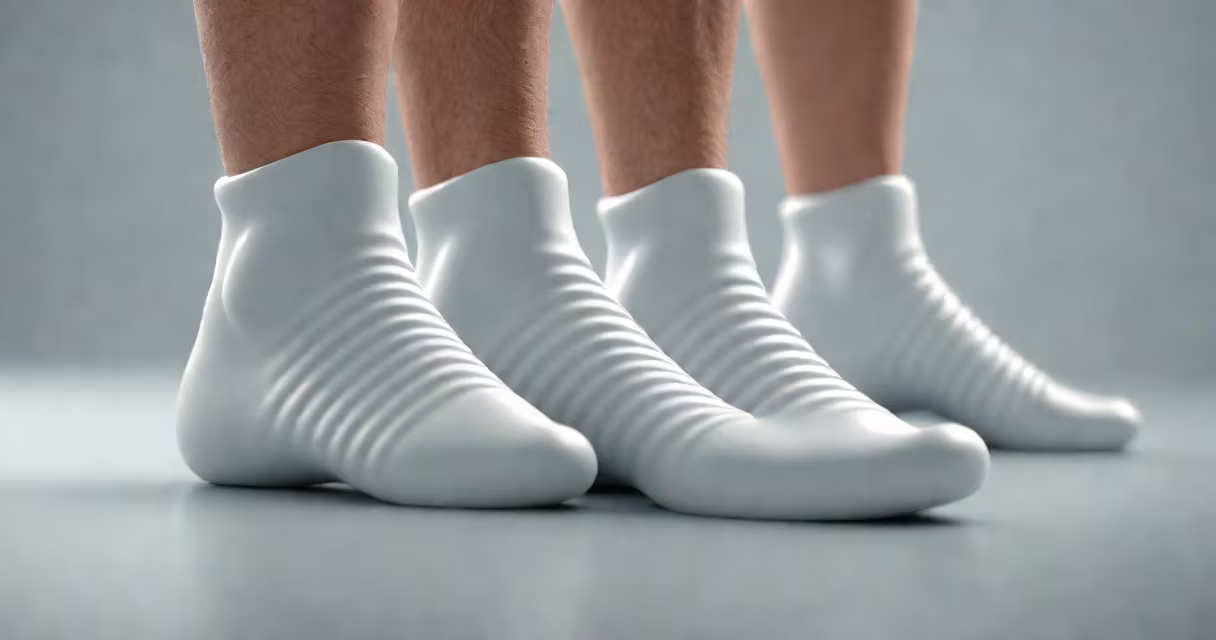
Puffy ankles result from excess fluid accumulation in the lower legs, typically due to poor circulation, prolonged standing, or underlying health conditions. This condition, known medically as peripheral edema, occurs when fluid leaks from blood vessels into surrounding tissues.
Fluid normally moves between blood vessels and tissues through a balance of pressure and osmotic forces. When this balance shifts-due to gravity, weakened vein valves, or impaired kidney or heart function-fluid pools in the feet and ankles. Swelling may appear after long periods of sitting or standing, but persistent puffiness suggests a deeper issue.
Common triggers include high sodium intake, hormonal changes during menstruation or pregnancy, and wearing tight footwear. However, recurring or unexplained swelling warrants evaluation, especially if accompanied by pain, skin discoloration, or difficulty walking.
When blood flows through veins in the legs, valves prevent backward flow. With prolonged standing or weak valves, blood pools, increasing pressure in capillaries. This pushes fluid out into tissues, causing swelling. Gravity worsens the effect, which is why puffiness often appears by late afternoon.
The lymphatic system normally removes excess fluid. If it's overwhelmed or damaged-as in lymphedema-fluid builds up. Lymphedema can follow surgery, radiation, or infection, particularly in the groin area. Unlike typical edema, it may persist even after rest or elevation.
A 2021 study in the Journal of Vascular Surgery found that nearly 60% of patients with chronic ankle swelling had underlying venous insufficiency, where valves fail to close properly. This leads to pooling and increased capillary pressure, driving fluid into tissues.
Not all ankle swelling is the same. Some causes are temporary and harmless; others signal serious illness. The table below outlines key differences.
| Condition | Typical Onset | Other Signs | Medical Consideration |
|---|---|---|---|
| Postural edema | After standing all day | Improves with rest or elevation | Benign; related to gravity and activity |
| Pre-menstrual fluid retention | Days before period | Facial puffiness, bloating | Hormonal; resolves with cycle |
| Venous insufficiency | Gradual, daily worsening | Heaviness, varicose veins, skin darkening | Requires vascular evaluation |
| Heart failure | Progressive over weeks | Shortness of breath, fatigue, weight gain | Life-threatening; needs urgent care |
| Kidney disease | Slow onset, often bilateral | Foamy urine, fatigue, high blood pressure | Requires lab testing and specialist referral |
One non-obvious distinction: swelling that leaves a dent when pressed (pitting edema) usually indicates fluid buildup. Non-pitting swelling-where the skin doesn't indent-is more likely due to lymphatic obstruction or tissue fibrosis.
I once observed a patient whose ankles swelled daily despite no obvious cause. After a Doppler ultrasound, we diagnosed chronic venous insufficiency. Compression stockings reduced swelling within days. This case highlights how symptoms can mimic lifestyle factors when they're actually medical.
Swelling that lasts more than a few days, affects both ankles equally, or returns after improvement should prompt a visit. Red flags include sudden swelling, chest pain, shortness of breath, or fever-signs of deep vein thrombosis (DVT) or infection.
The American Heart Association notes that bilateral ankle swelling with fatigue and breathing difficulties may indicate heart failure. A BNP blood test can confirm this. Similarly, proteinuria (protein in urine) suggests kidney involvement.
If swelling is unilateral-only one leg-it raises concern for DVT. The Wells Score, a clinical tool, helps assess risk. A positive score requires imaging, such as a duplex ultrasound, to rule out clots.
Elevating the legs above heart level for 20 minutes twice daily reduces fluid pooling. Wearing compression socks (15-20 mmHg) supports vein valves and improves return flow.
Reducing dietary sodium to under 2,300 mg per day lowers fluid retention. A 2019 study in the American Journal of Clinical Nutrition showed that lowering salt intake decreased ankle swelling in 70% of participants over four weeks.
Regular movement-walking 10 minutes hourly while seated-keeps calf muscles pumping blood upward. Avoid tight clothing around the waist or legs, which restricts circulation.
Understanding the root cause of puffy ankles prevents unnecessary worry and guides effective treatment. Not all swelling is serious-but ignoring patterns can delay diagnosis of treatable conditions.