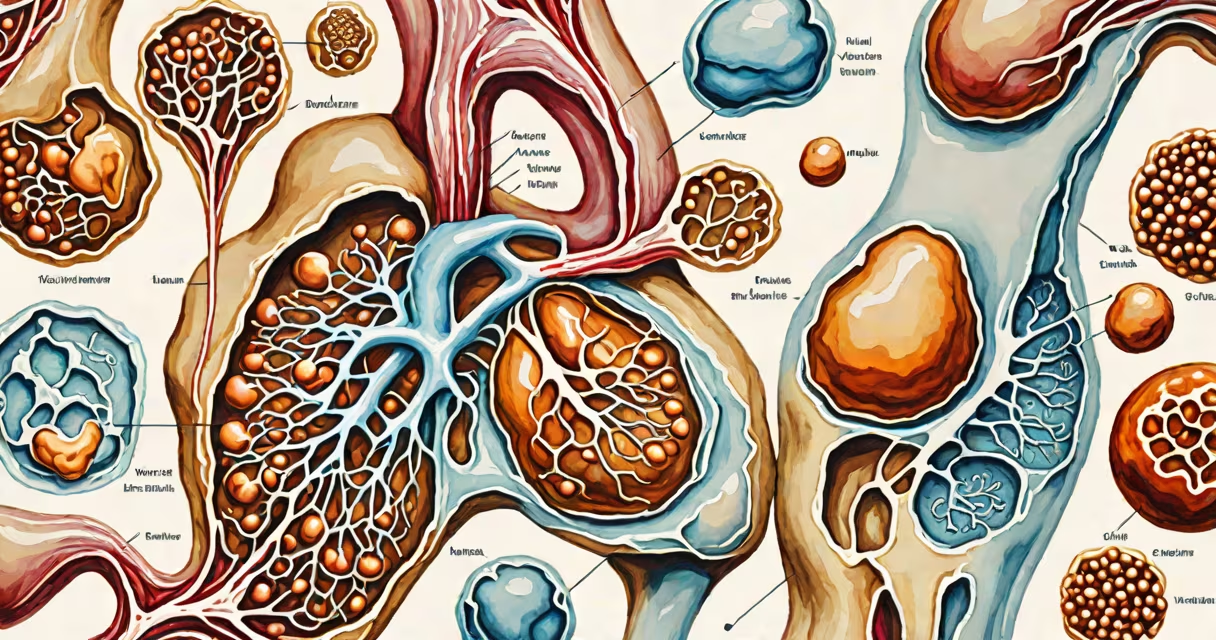
Guys ejaculate as part of the physiological process that expels semen during orgasm, primarily to deliver sperm for potential fertilization. This occurs through coordinated muscle contractions in the pelvic region, driven by nervous system signals, and involves fluid from the seminal vesicles, prostate, and testes.
Ejaculation is a core component of human reproduction. It typically happens during sexual climax, though it can occur independently of orgasm in some cases. The process begins with arousal, which triggers neural signals from the brain and spinal cord. These signals activate muscles in the pelvic floor and reproductive organs, leading to rhythmic contractions that push semen out through the urethra.
Semen is a complex fluid composed of sperm (produced in the testes) and seminal plasma (made by the seminal vesicles and prostate gland). The seminal vesicles contribute about 60% of the volume, providing fructose for energy. The prostate adds enzymes and citric acid that help activate sperm and maintain pH balance. Together, these fluids create an environment that supports sperm survival and motility.
The process unfolds in distinct phases. First, the sympathetic nervous system initiates the emission phase, where sperm and seminal fluids are moved into the urethra. This stage is involuntary and occurs before orgasm. Next, the contraction phase begins, involving rhythmic contractions of the bulbospongiosus and ischiocavernosus muscles in the pelvic floor. These contractions force semen out through the penis at speeds up to 25 mph, according to research published in *The Journal of Urology*.
After ejaculation, a refractory period follows, during which most men cannot achieve another erection or orgasm. Duration varies widely-some men recover in minutes, others take hours or days. Age, fatigue, stress, and hormone levels influence recovery time. For example, testosterone levels peak in young adulthood and gradually decline after age 30, affecting both libido and ejaculatory frequency.
A common misconception is that ejaculation equals orgasm. While they often coincide, they are not the same. Orgasm refers to the intense pleasurable sensation caused by neural activity in the brain's reward centers. Ejaculation is the physical expulsion of semen. Some men can experience orgasm without ejaculating, particularly those who practice tantric techniques or have undergone certain medical procedures.
Semen consists of approximately 90% water, with the remainder including proteins, sugars, minerals, and lipids. Sperm make up less than 1% of total volume in a typical ejaculation-about 150 million sperm per milliliter. A single ejaculation averages 2 to 5 milliliters of fluid, containing between 40 million and 1.5 billion sperm.
Key components include:
One non-obvious fact: semen contains trace amounts of neurotransmitters like serotonin and dopamine. These may play a role in mood regulation and bonding after sex, though their impact remains under study. A 2021 review in *Frontiers in Endocrinology* noted that these compounds could influence post-coital emotional states, but more research is needed.
Normal ejaculation patterns vary by individual. Frequency ranges from several times a week to once every few months, depending on age, relationship status, and lifestyle. The American Urological Association notes that daily ejaculation is not required for health and that reduced frequency is not inherently problematic.
However, certain changes may indicate underlying issues:
One frequently misunderstood issue is premature ejaculation (PE), defined as ejaculation occurring within one minute of penetration in 90% of attempts. It affects up to 30% of men globally, according to the World Health Organization. PE is treatable with behavioral therapy, topical anesthetics, or medications like SSRIs. It is not a sign of weakness or poor control-it is a recognized medical condition.
Many people assume that frequent ejaculation reduces fertility. This is false. Studies show no correlation between ejaculation frequency and sperm count or quality. In fact, regular ejaculation may improve sperm motility by reducing oxidative stress in the reproductive tract.
Another myth is that ejaculation causes muscle loss or weakens the body. There is no evidence linking ejaculation to decreased strength, stamina, or mental clarity. A 2018 study in *JAMA Internal Medicine* analyzed over 30,000 men and found no association between ejaculation frequency and risk of heart disease or mortality.
I once observed a college student avoid sex due to fear of "losing vitality." After discussing the science, he realized his anxiety was based on outdated beliefs. He later reported improved confidence and better sleep-both linked to reduced performance pressure.
why do guys ejaculate? They do so to release semen during orgasm, a process essential for reproduction. Semen combines sperm and fluid from multiple glands, supporting sperm function. Normal variation exists across individuals, and changes in volume, timing, or sensation should prompt evaluation only if persistent or painful. Understanding the biology behind ejaculation helps dispel myths and supports informed decisions about sexual health.