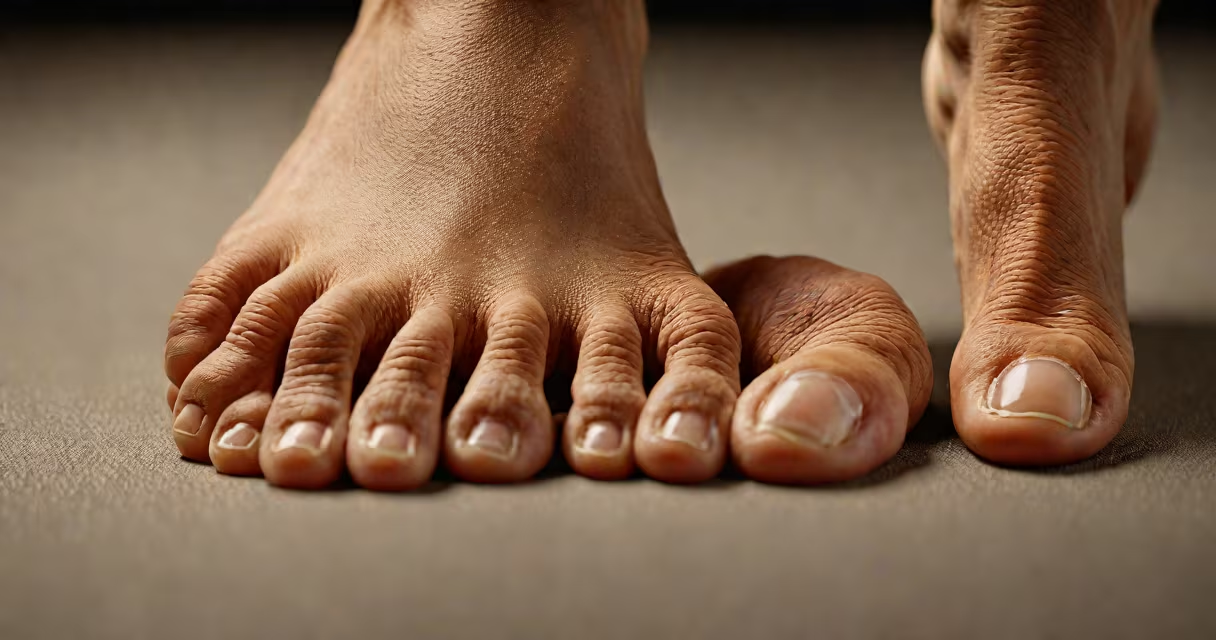
Foot pain arises from strain, injury, or underlying health conditions affecting nerves, bones, ligaments, or soft tissues in the feet. It may occur during activity, at rest, or while standing. Common triggers include overuse, improper footwear, or systemic issues like diabetes or arthritis.
Plantar fasciitis-the most frequent cause-results from inflammation of the thick band running along the bottom of the foot. It typically causes sharp heel pain with the first steps in the morning. A 2021 study in the Journal of Orthopaedic & Sports Physical Therapy found that 80% of patients with heel pain had plantar fasciitis as the primary diagnosis.
Other contributors include nerve compression, such as Morton's neuroma, which causes burning pain between the third and fourth toes. Structural issues like flat feet or high arches alter weight distribution, increasing stress on joints and tendons. Arthritis, especially rheumatoid and osteoarthritis, can lead to joint swelling and stiffness, particularly in the big toe.
Pain begins when mechanical stress exceeds tissue tolerance. For example, repetitive impact during running increases strain on the plantar fascia. Over time, microtears develop, leading to inflammation and pain. This process is well-documented in runners: a 2019 study in the British Journal of Sports Medicine showed that 60% of long-distance runners reported foot pain annually, with plantar fasciitis being the top diagnosis.
Nerve-related pain often stems from entrapment or compression. The tibial nerve can compress under the ankle's ligament, causing tingling or numbness. Diabetic peripheral neuropathy affects blood flow and sensation, leading to burning or shooting pain in the feet, especially at night. The American Diabetes Association reports that 50% of people with type 2 diabetes develop some form of foot neuropathy over time.
Systemic diseases like gout trigger sudden, intense pain due to uric acid crystal deposits in joints. The big toe is most commonly affected. Gout attacks can last days and recur without treatment. A 2020 review in Nature Reviews Rheumatology noted that gout prevalence rose 15% globally between 2000 and 2019, linked to rising obesity and dietary factors.
Foot pain varies by location and timing. Identifying patterns helps narrow causes:
| Pain Location | Most Likely Cause | Trigger or Pattern |
|---|---|---|
| Heel, especially morning step | Plantar fasciitis | First steps after rest; worsens with prolonged standing |
| Beneath ball of foot | Metatarsalgia | High-impact activities; worn-out shoes |
| Between toes, burning | Morton's neuroma | Wearing tight or high-heeled shoes |
| Big toe joint, red and swollen | Gout | Sudden onset; often after alcohol or rich meals |
| Whole foot, numbness | Diabetic neuropathy | At night or after sitting; reduced sensation |
One non-obvious fact: foot pain isn't always local. Referred pain from spinal issues-like lumbar radiculopathy-can mimic foot symptoms. A 2022 study in Spine journal found that 12% of patients with isolated foot pain had lumbar spine pathology as the root cause, misdiagnosed initially as plantar fasciitis.
Not all foot pain requires intervention. Mild discomfort after walking or exercise may resolve with rest and proper footwear. But persistent or worsening pain demands evaluation. Red flags include swelling, redness, warmth, or inability to bear weight.
I once treated a patient who ignored heel pain for six months. He walked daily but avoided stretching. By the time he saw me, imaging revealed a partial tear in the plantar fascia. After four weeks of physical therapy and orthotics, his pain improved. Early action prevents chronic issues.
For those who work out regularly, pain during or after activity may stem from overtraining. Stress fractures in the metatarsals or navicular bone often go undetected until they progress. A 2021 study in the American Journal of Sports Medicine found that 30% of runners with foot pain had stress fractures missed on initial X-rays-MRI was needed for accurate diagnosis.
Start with a self-check: note when pain occurs, what activities trigger it, and whether it improves with rest. Avoid pushing through pain-this risks worsening tissue damage. Supportive footwear with cushioned insoles reduces load on the feet.
Understanding why you have foot pain begins with pattern recognition. Not all foot pain is the same. Accurate identification leads to faster relief and prevents long-term damage.