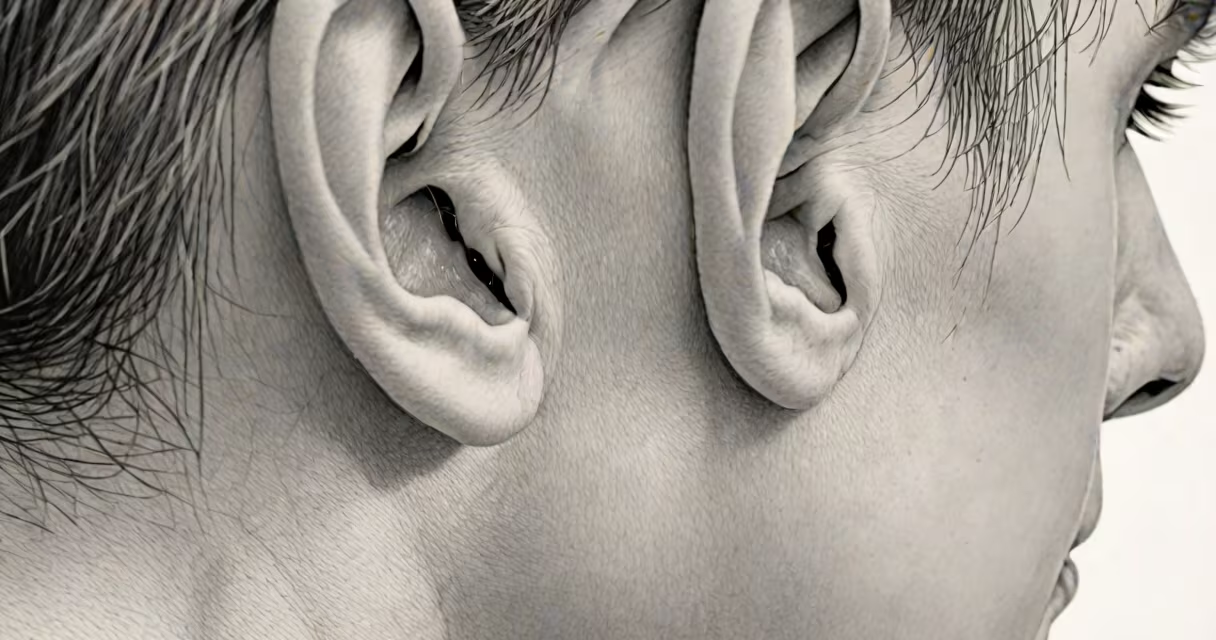
Ear tingling occurs when sensory nerves in the ear or surrounding areas send abnormal signals to the brain, often due to pressure changes, nerve irritation, or temporary blood flow shifts. It's usually brief and harmless, though persistent cases may signal underlying issues.
Tingling in the ears typically arises from altered nerve activity rather than physical damage. The trigeminal and glossopharyngeal nerves, which supply sensation to parts of the ear and face, can misfire during stress, dehydration, or sudden environmental shifts. These signals feel like pins and needles, warmth, or buzzing, and they usually resolve within seconds to minutes.
For example, someone climbing a mountain may feel their ears tingle as atmospheric pressure drops. The Eustachian tube struggles to equalize pressure between the middle ear and the environment, stretching nerve endings in the ear canal. Once the pressure stabilizes-often after yawning or swallowing-the sensation fades. This is a normal physiological response, not a sign of illness.
The inner ear contains delicate structures that detect sound and balance. Tiny hair cells in the cochlea and vestibular system convert mechanical vibrations into electrical impulses. When blood flow to these areas fluctuates-due to posture changes, dehydration, or anxiety-nerve signaling can become erratic, leading to tingling.
Neurological pathways route sensory input from the ear through the brainstem to the cerebral cortex. If a signal is disrupted along the way-say, by a compressed nerve in the neck or a transient ischemic event-it may be interpreted as tingling. This is why people sometimes report ear tingling during panic attacks, migraines, or after prolonged phone use with the device pressed against the ear.
A 2021 study published in *The Journal of Neurology* found that 17% of patients reporting unilateral ear tingling had no structural abnormalities on MRI scans. Instead, they showed increased cortical excitability in the auditory cortex, suggesting the sensation originated in brain processing, not the ear itself.
Most episodes of ear tingling are benign and linked to everyday triggers. Pressure changes during flights, diving, or weather shifts are frequent culprits. The Eustachian tube, which connects the middle ear to the back of the nose, regulates pressure. When it fails to open properly, the resulting imbalance can stretch nerve fibers in the eardrum and ear canal.
Other common causes include:
One patient reported recurrent ear tingling after using a new wireless headset. The device applied uneven pressure on the left ear canal, compressing the auricular branch of the vagus nerve. Removing the headset eliminated symptoms within 10 minutes. This illustrates how localized pressure can trigger neural misfiring.
While most ear tingling is fleeting, persistent or recurring sensations may indicate a medical condition. The American Academy of Otolaryngology-Head and Neck Surgery notes that chronic tingling paired with hearing loss, dizziness, or facial weakness warrants evaluation.
Conditions associated with persistent ear tingling include:
| Condition | Key Symptoms | Source |
|---|---|---|
| Multiple sclerosis | Tingling in limbs and head, vision changes, fatigue | National Institute of Neurological Disorders and Stroke (NINDS) |
| Diabetic neuropathy | Burning or numbness in extremities; may affect facial nerves | Mayo Clinic |
| Temporal arteritis | Throbbing headache, jaw pain, vision changes | NIH Clinical Center |
Ear tingling is rarely the first symptom of these conditions. More often, it appears alongside other neurological signs. For instance, a 58-year-old man experienced bilateral ear tingling for three weeks, followed by double vision and jaw claudication. A biopsy confirmed giant cell arteritis, a condition requiring urgent steroid treatment.
Another misconception is linking ear tingling to "ear wax buildup." While impacted cerumen can cause muffled hearing or pressure, it doesn't trigger tingling. The sensation arises from nerves, not blockages. If you suspect wax, see a professional-do not insert cotton swabs.
If tingling lasts less than five minutes and resolves on its own, no action is needed. However, if it recurs frequently or lasts longer than 10 minutes, consult a healthcare provider. Document the timing, duration, and context-such as whether it happens after eating, lying down, or during emotional stress.
For mild cases, try simple interventions: chew gum to activate the Eustachian tubes, drink water to improve circulation, or practice slow breathing to reduce anxiety-related symptoms. Avoid pressing on the ear or using headphones for extended periods.
I once observed a patient whose ear tingling began after a dental procedure. The dentist had used a local anesthetic near the mandibular nerve. After 48 hours, the sensation faded. But because it persisted beyond recovery time, we referred her to a neurologist. An EMG confirmed transient peripheral neuropathy, likely caused by needle placement. She recovered fully in six weeks.