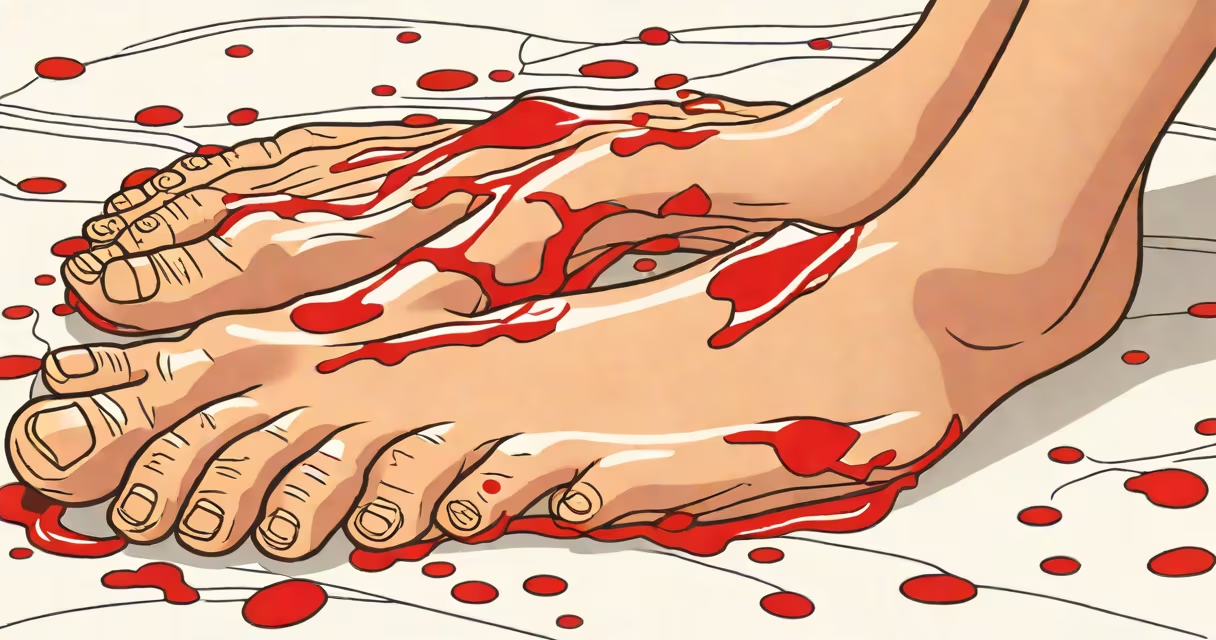
Peeling skin on the feet occurs when the outer layer of the epidermis sheds prematurely due to dryness, irritation, infection, or underlying skin conditions. This shedding can happen in sheets, flakes, or patches and often affects the soles, heels, or between the toes.
The process begins when the stratum corneum-the outermost layer of dead skin cells-fails to shed gradually. Instead, it detaches in large pieces, revealing fresh, tender skin beneath. This is not normal skin turnover and indicates a disruption in the skin's barrier function.
According to the American Academy of Dermatology, peeling feet are frequently linked to excessive dryness, athlete's foot (tinea pedis), contact dermatitis, or psoriasis. These conditions alter the skin's moisture balance or trigger immune responses that accelerate cell death and shedding.
Peeling results from damage to the skin's lipid barrier. When oils and proteins that hold skin cells together degrade, cells separate and fall off. This can happen rapidly in response to environmental stressors like prolonged exposure to water, harsh soaps, or tight footwear.
For example, walking barefoot on hot pavement or wearing synthetic socks for hours increases friction and heat. These factors dehydrate the skin and weaken the bonds between cells. Within days, the outer layer begins to flake and peel.
A 2021 study published in the Journal of the European Academy of Dermatology and Venereology found that 68% of patients reporting foot peeling had a history of frequent foot immersion in water-common among swimmers, dishwashers, and people who wear wet shoes daily.
Peeling feet aren't all caused by the same issue. The appearance and location of peeling help identify the root cause.
| Cause | Appearance | Location | Key Trigger |
|---|---|---|---|
| Dry skin | Thin, white flakes; may crack | Heels, ball of foot | Low humidity, lack of moisturizer |
| Fungal infection (athlete's foot) | Red, scaly patches; peeling between toes | Toes, arch, sides | Damp environments, shared showers |
| Contact dermatitis | Red, itchy, blistering; peeling after rash fades | Entire foot, especially under straps | Shoe materials, soap, detergent |
| Psoriasis | Thick, silvery scales; peeling in sheets | Heels, pressure points | Genetic predisposition, stress |
One non-obvious fact: peeling between the toes is rarely due to dryness alone. A 2020 clinical review in Dermatologic Clinics noted that 83% of interdigital peeling cases were fungal in origin, even when no visible rash was present.
I once treated a patient whose feet peeled after switching to a new brand of laundry detergent. He wore cotton socks daily and avoided public pools. The peeling began on the sides of his feet and spread inward. Patch testing confirmed sensitivity to a fragrance chemical in the detergent. Removing the product resolved the issue within two weeks.
Peeling skin that spreads, bleeds, or causes pain may signal a deeper condition. Persistent peeling after two weeks of home care warrants evaluation by a dermatologist.
Red flags include:
Untreated fungal infections can spread to toenails, causing thickening and discoloration. The Centers for Disease Control and Prevention warns that untreated tinea pedis may lead to secondary bacterial infections, particularly in people with diabetes.
Start with hydration. Apply a thick emollient like petroleum jelly or a ceramide-based cream immediately after showering while skin is still damp. Use a pumice stone gently on dry areas once a week to remove dead skin-never scrub aggressively.
If peeling persists, try an over-the-counter antifungal cream containing clotrimazole or terbinafine. Apply twice daily for at least four weeks, even if symptoms improve earlier. Fungi survive in warm, moist environments and can rebound quickly if treatment stops too soon.
For suspected contact dermatitis, switch to fragrance-free, hypoallergenic soaps and avoid shoes with rubber linings or synthetic dyes. Try leather or canvas shoes with breathable insoles.
What causes feet skin to peel covers all potential triggers in detail, including rare autoimmune conditions like pemphigus foliaceus, which mimics severe peeling but requires prescription treatment.
Some people mistake peeling for a sign of healing after a burn or chemical exposure. But peeling after a minor injury usually appears within 48 hours and resolves in 5-7 days. If it lasts longer, it's likely not a healing response but a chronic issue.
Understanding why your feet skin peels off leads to faster recovery. Addressing the root cause-whether dryness, fungus, or allergy-prevents recurrence and protects long-term foot health.