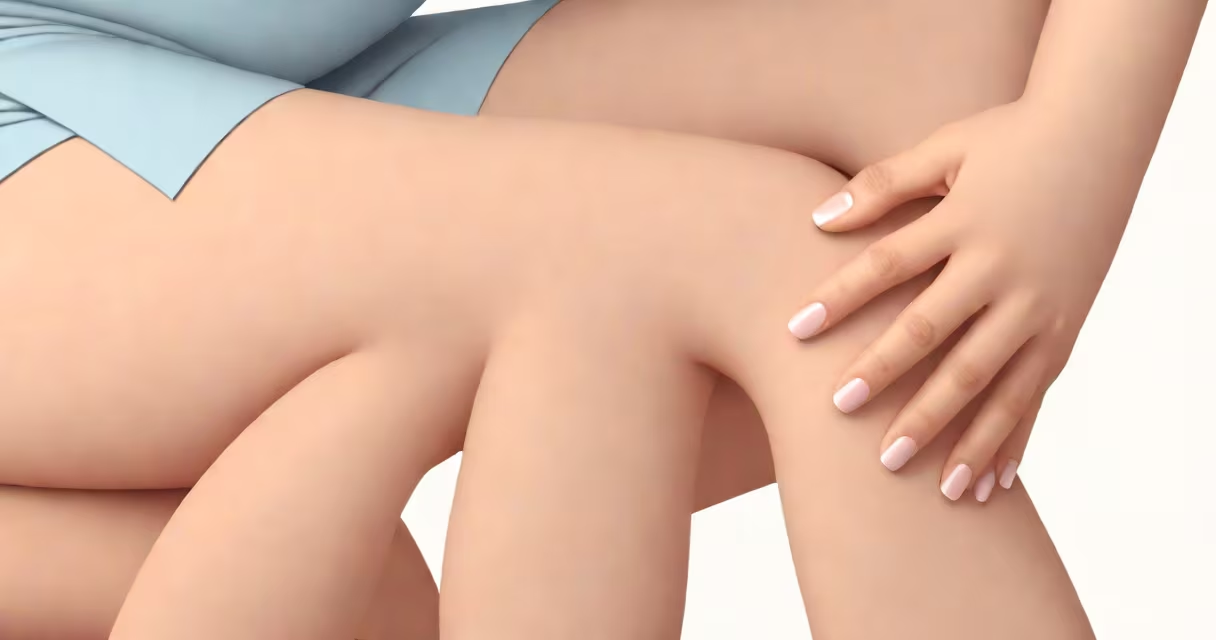
Inner knee pain-also called medial knee pain-occurs when discomfort arises along the side of the knee closest to the opposite leg. It commonly results from overuse, ligament strain, or degenerative changes in the joint. This pain may flare during walking, climbing stairs, or twisting motions.
The inner knee is stabilized by the medial collateral ligament (MCL), which resists forces pushing the knee inward. When stressed-such as during sudden pivoting or direct impact-the MCL can stretch or tear, leading to localized pain. Other contributors include meniscus tears, osteoarthritis affecting the medial compartment, and patellofemoral pain syndrome, which can radiate to the inner knee due to altered tracking of the kneecap.
A 2021 study published in Arthritis & Rheumatology found that 62% of patients with knee osteoarthritis reported predominant pain on the medial side, often worsening with weight-bearing activities. Another analysis from the American Academy of Orthopaedic Surgeons (AAOS) notes that MCL injuries account for nearly 40% of non-contact knee injuries in sports like soccer and basketball.
Pain in the inner knee typically begins with mechanical stress on soft tissues or joint surfaces. Repetitive bending, twisting, or prolonged standing increases load on the medial structures. For example, runners who increase mileage too quickly often develop medial knee pain due to uneven pressure distribution across the joint.
When the MCL is strained, swelling and tenderness appear along the inner joint line. A grade 1 sprain involves mild stretching with minimal instability. Grade 2 sprains show moderate tearing and some joint laxity. Grade 3 sprains involve complete ligament rupture and significant instability, often requiring surgical repair.
Cartilage damage in the medial compartment-common in people over 50-leads to bone-on-bone contact, causing persistent ache. This condition, known as medial compartment osteoarthritis, often progresses slowly. Early signs include stiffness after sitting for long periods and pain that improves with movement.
Several conditions cause inner knee pain. Distinguishing between them ensures proper treatment. Below is a breakdown of primary causes:
| Condition | Key Symptoms | Typical Age Group | Diagnostic Clue |
|---|---|---|---|
| MCL Sprain | Tenderness along inner joint line, swelling within 24 hours, pain when knee is bent | 15-45 | Pain worsens with valgus stress test (pushing knee outward) |
| Medial Meniscus Tear | Sharp pain during twisting, catching sensation, swelling after activity | 30-60 | Pain with McMurray's test (flexion and rotation under load) |
| Osteoarthritis (Medial Compartment) | Dull ache, stiffness after rest, worsening with walking | 50+ | X-ray shows narrowing of medial joint space |
| Patellofemoral Pain Syndrome | Dull pain behind kneecap, worse going down stairs | 15-35 | Pain increases with squatting or prolonged sitting |
One often overlooked distinction: inner knee pain from a meniscus tear usually follows a specific twist or pivot motion. In contrast, osteoarthritis develops gradually over months or years. A single traumatic event points toward ligament or meniscal injury. Gradual onset suggests degenerative change.
Non-obvious fact: inner knee pain can stem from hip or foot problems. A 2019 study in Journal of Orthopaedic & Sports Physical Therapy showed that 37% of patients with chronic medial knee pain had weak gluteal muscles or excessive foot pronation. These biomechanical imbalances alter knee alignment during gait, increasing load on the medial joint.
Seek evaluation if pain persists beyond 7 days despite rest, ice, compression, and elevation (RICE). Red flags include swelling that doesn't improve, inability to bear weight, or a popping sound at the time of injury.
I once treated a 32-year-old runner whose inner knee pain didn't resolve after two weeks of rest. MRI revealed a partial medial meniscus tear. He'd ignored early symptoms, assuming it was "just soreness." After physical therapy and activity modification, he returned to running in six weeks.
If you experience locking, buckling, or visible deformity, see a doctor immediately. These suggest serious structural damage. Imaging-X-ray or MRI-is often needed to confirm diagnosis. Blood tests may rule out inflammatory arthritis if pain is symmetrical or accompanied by morning stiffness.
Rest, modify activity, and apply cold packs initially. Avoid high-impact movements like jumping or sudden turns. Strengthening the quadriceps and hamstrings helps stabilize the knee. A physical therapist can guide exercises tailored to your injury.
Inner knee pain is not a single condition. It's a symptom of multiple potential issues. Accurate diagnosis requires attention to mechanism, location, timing, and associated symptoms. Ignoring it risks progression to chronic disability.