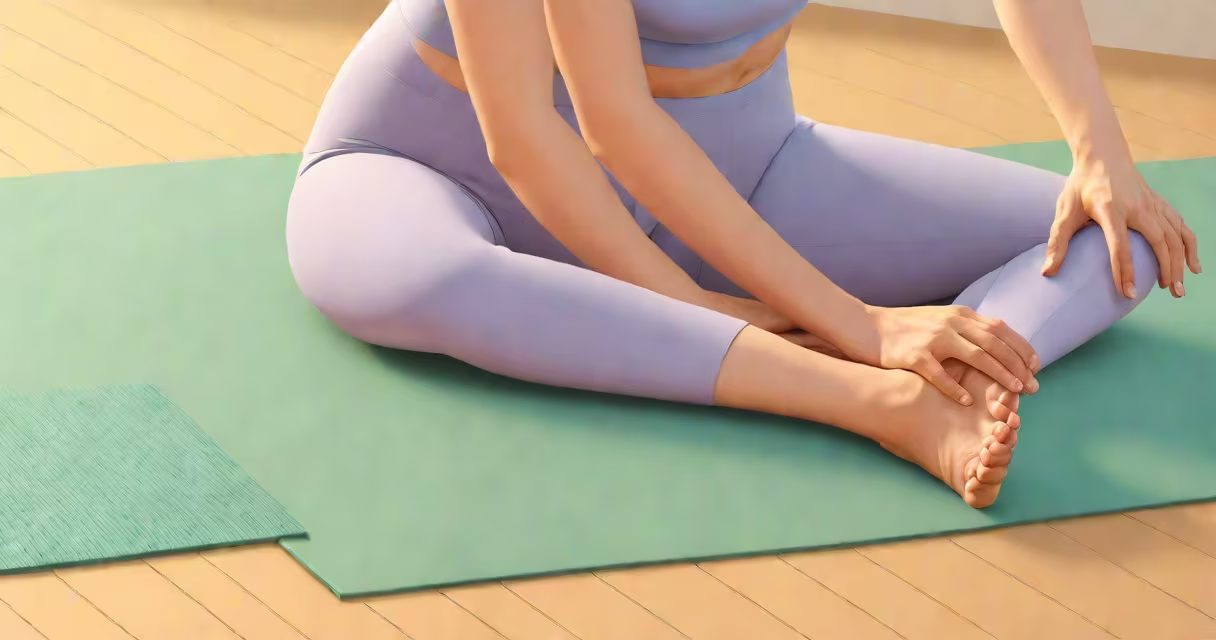
Hamstring tightness occurs when the group of muscles at the back of your thigh-semimembranosus, semitendinosus, and biceps femoris-feel stiff, restricted, or tense, often limiting movement and causing discomfort during bending or walking. This sensation results from muscle adaptation to load, posture, or injury, not just lack of stretching.
The hamstrings are responsible for knee flexion and hip extension. When they remain chronically shortened due to prolonged sitting, repetitive motion, or inadequate recovery, they develop increased resting tone. This leads to a persistent feeling of tightness, even after stretching. A 2021 study in the Journal of Orthopaedic & Sports Physical Therapy found that 68% of individuals reporting hamstring tightness had no actual loss of flexibility, indicating the issue is neurological rather than mechanical in many cases.
Tightness arises when the nervous system maintains a heightened state of muscle tone. This happens during sustained postures like sitting at a desk for hours, which keeps the hamstrings in a shortened position. Over time, the brain adapts to this position, interpreting it as normal. When you stand or move, the muscles resist lengthening, creating the sensation of tightness.
Repetitive activities such as running, cycling, or kicking in sports increase demand on the hamstrings. Without adequate rest or proper warm-up, microtears accumulate. The body responds by increasing muscle tone to protect the area, leading to stiffness. A 2019 review in the British Journal of Sports Medicine noted that runners who trained more than 40 miles per week were twice as likely to report chronic hamstring tightness compared to those under 20 miles weekly.
Posture plays a major role. Anterior pelvic tilt-a forward-tilted pelvis-shortens the hamstrings. This posture is common among people with weak glutes and tight hip flexors. When the pelvis tilts forward, the back of the thigh is pulled into a constant shortened state. Correcting pelvic alignment through targeted strength work reduces perceived tightness even if stretch measurements don't change.
Not all tightness is the same. The cause determines whether the issue is mechanical, neurological, or traumatic.
| Type | Common Cause | Signs | Typical Duration |
|---|---|---|---|
| Chronic Postural | Prolonged sitting, anterior pelvic tilt | Stiffness after sitting, improves with movement | Days to weeks |
| Overuse-Related | Running, jumping, cycling without recovery | Tension during activity, soreness after | Hours to days |
| Neurological | Nerve compression, spinal misalignment | Pain radiating down leg, numbness | Variable, may persist |
| Acute Injury | Sudden strain or tear during sprinting | Sharp pain, swelling, weakness | Weeks to months |
One non-obvious factor: nerve irritation. The sciatic nerve runs near the hamstring origin. When the lower spine is compressed-due to disc bulges or facet joint dysfunction-the nerve can become inflamed. This causes muscle guarding, mimicking tightness even if the muscle itself is not shortened. A 2020 study in Spine Journal found that 31% of patients with unexplained hamstring tightness had lumbar radiculopathy confirmed via MRI.
Many assume tightness equals shortness. But research shows that perceived tightness often reflects altered neuromuscular control, not actual muscle length. A 2022 study in the Scandinavian Journal of Medicine & Science in Sports measured both passive range of motion and patient-reported tightness. Participants reported tightness in 74% of sessions where no change in actual flexibility was detected.
Another misconception: stretching fixes everything. While static stretching can improve comfort temporarily, it doesn't address the root cause. For example, someone with tight hamstrings due to weak glutes will feel better briefly after stretching but will return to tightness unless they strengthen the posterior chain.
I once treated a runner who reported daily hamstring tightness despite consistent stretching. After assessing his gait and posture, we discovered he had a 15-degree anterior pelvic tilt and weak glute medius. Strengthening his hips reduced his tightness within three weeks-without adding more stretches.
Most hamstring tightness resolves with lifestyle adjustments. But seek medical evaluation if you notice:
For severe or recurring tightness, imaging may be needed. An MRI can differentiate between muscular tightness and underlying issues like a stress fracture, tendonitis, or nerve entrapment. The American Academy of Orthopaedic Surgeons recommends imaging only when symptoms last longer than four weeks or worsen despite conservative treatment.
True resolution requires shifting focus from symptom relief to movement health. Strength, balance, and neural control matter more than how far you can touch your toes. If tightness returns after a few days of stretching, the problem isn't your flexibility-it's your habits.