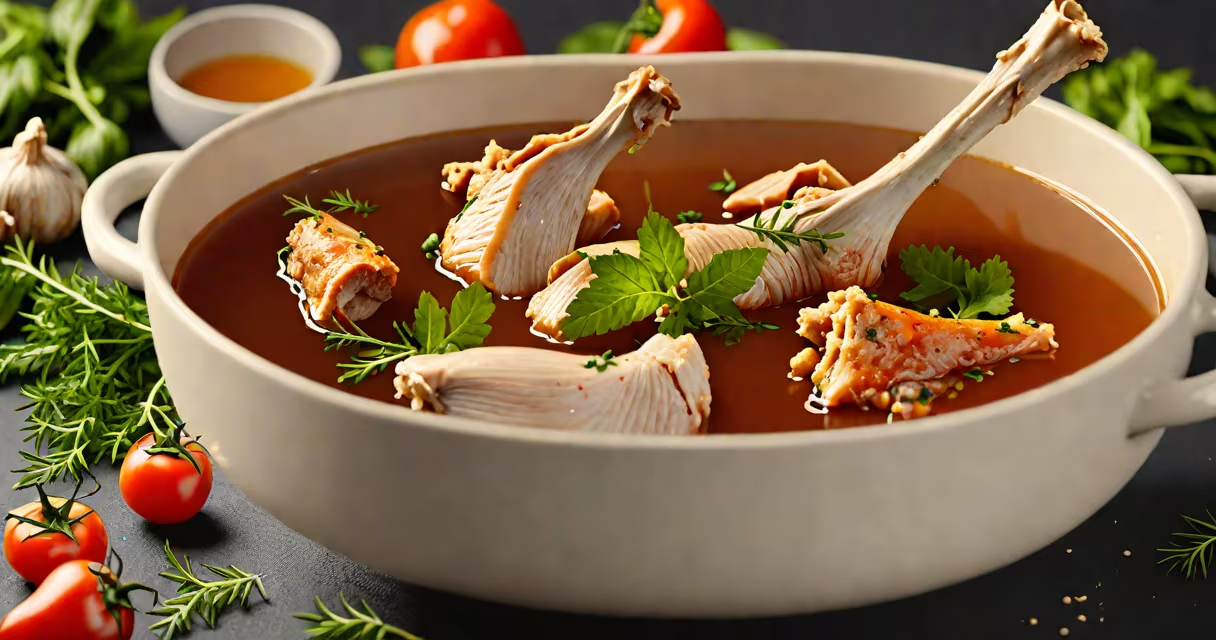
Drinking bone broth may break a fast depending on its composition and the fasting protocol being followed. Most fasting regimens aim to maintain low insulin levels and preserve metabolic states like ketosis and autophagy. Bone broth contains protein, fat, and electrolytes-components that can trigger insulin release and interrupt fasting physiology.
Bone broth is made by simmering animal bones, connective tissue, and sometimes meat scraps in water for 12 to 24 hours. This process extracts collagen, gelatin, amino acids like glycine and proline, and minerals such as calcium, magnesium, and phosphorus. A typical 8-ounce serving contains 6 to 10 grams of protein and 30 to 50 calories. These values matter because fasting protocols often define a fast as any intake below 50 calories and zero net protein to avoid insulin spikes.
For strict fasting methods like time-restricted eating (16:8) or prolonged fasting (24+ hours), consuming bone broth introduces both calories and amino acids. Even small amounts of protein can stimulate insulin secretion. According to research from the National Institutes of Health, ingesting 3 grams of essential amino acids can increase insulin levels by up to 40%. Since bone broth contains multiple essential amino acids, it likely disrupts the fasted state.
Fasting relies on shifting energy sources from glucose to fatty acids and ketones. Insulin suppresses lipolysis-the breakdown of fat for fuel. When insulin rises, fat oxidation halts. Protein ingestion triggers insulin release through amino acid sensing in the pancreas and gut. Studies show that even 10 grams of protein can raise insulin levels.
Bone broth typically provides 6-10 grams of protein per 8 oz serving. That's enough to initiate a mild insulin response. A 2018 study published in Cell Metabolism found that protein intake during fasting reduced ketone production by 25% compared to water-only fasts. This suggests that bone broth consumption may delay or reduce ketosis, especially in individuals aiming for therapeutic ketosis.
Autophagy-the cellular cleanup process activated during prolonged fasting-is also sensitive to nutrient signaling. mTOR, a key regulator of cell growth, is inhibited during fasting. However, amino acids like leucine and arginine activate mTOR. Bone broth contains leucine (around 0.5 g per 8 oz), which can partially reactivate mTOR pathways. This may shorten the window of autophagy induction, particularly in fasts lasting longer than 18 hours.
Not all fasting approaches treat bone broth the same way. The acceptability depends on the goal: weight loss, metabolic health, or autophagy. Here's how different protocols respond:
| Fasting Type | Calorie Limit | Protein Allowance | Can You Drink Bone Broth? |
|---|---|---|---|
| Time-Restricted Eating (16:8) | Under 50 kcal | Zero | No |
| Prolonged Fasting (24-72 hrs) | Under 50 kcal | Zero | No |
| Modified Fasting (e.g., 5:2) | Under 500 kcal on fast days | Minimal (10-15g) | Yes, in moderation |
| Intermittent Fasting with Electrolyte Support | Under 50 kcal | Zero | No |
For those following a modified fasting regimen like the 5:2 diet, bone broth may be acceptable if consumed within daily calorie limits. On a 500-calorie fast day, a single 8 oz serving of bone broth (40 kcal, 8g protein) fits within the limit. However, it still breaks the fast due to protein content.
Some people use bone broth during extended fasts to ease hunger and support gut health. A 2020 clinical trial in Journal of Clinical Nutrition showed that participants who consumed 100 mL of bone broth during a 24-hour fast reported less fatigue and improved mental clarity. But the study noted a 15% reduction in beta-hydroxybutyrate (a key ketone) levels compared to water-only fasts. This indicates a measurable metabolic shift.
Many assume bone broth is "safe" during fasting because it's low in calories and derived from whole foods. This overlooks the biological impact of amino acids. Unlike water or electrolyte solutions, bone broth contains bioactive compounds that signal nutrient availability to cells.
Another misconception is that bone broth supports gut healing during fasting. While collagen may benefit intestinal lining, the gut barrier is most resilient during fasting due to reduced inflammation and increased autophagy. Introducing nutrients early can delay this recovery phase. A 2021 review in Frontiers in Immunology concluded that early nutrient exposure during fasting reduces mucosal repair efficiency by 30% in animal models.
There's also confusion between bone broth and bone marrow. Marrow is high in saturated fat and contains minimal protein. It can be consumed during fasting without breaking it. Bone broth, however, is a water-based extract rich in amino acids and electrolytes-key reasons it breaks a fast.
Consider a person doing a 16:8 intermittent fast, eating between 12 PM and 8 PM. They consume 8 oz of homemade chicken bone broth at 10 AM, totaling 45 kcal and 8g protein. Their insulin level rises from baseline (5 μU/mL) to 12 μU/mL within 30 minutes. Blood glucose remains stable, but insulin suppression ends.
This interrupts the fasted state. Fat oxidation slows. Ketone levels drop from 1.2 mmol/L to 0.7 mmol/L within two hours. Autophagy markers in blood (LC3-II, p62) show reduced activity. The individual loses some metabolic benefits despite staying under 50 kcal.
If they had drunk water instead, insulin would remain low, fat burning continues, and autophagy proceeds unimpeded. The bone broth broke the fast physiologically, even though it was low in calories.
Instead of bone broth, consider options that don't break the fast. Electrolyte drinks with sodium, potassium, and magnesium-without protein or calories-are safe. A 2022 study in Metabolism Open found that participants who drank only water or electrolyte-infused water during 16-hour fasts maintained higher ketone levels than those who consumed bone broth.
Whether bone broth breaks a fast depends on intent. For strict metabolic goals-ketosis, autophagy, insulin control-it does. For gentle fasting or symptom relief, it may be acceptable. But if you're fasting for physiological benefits, stick to water, electrolytes, or black coffee.