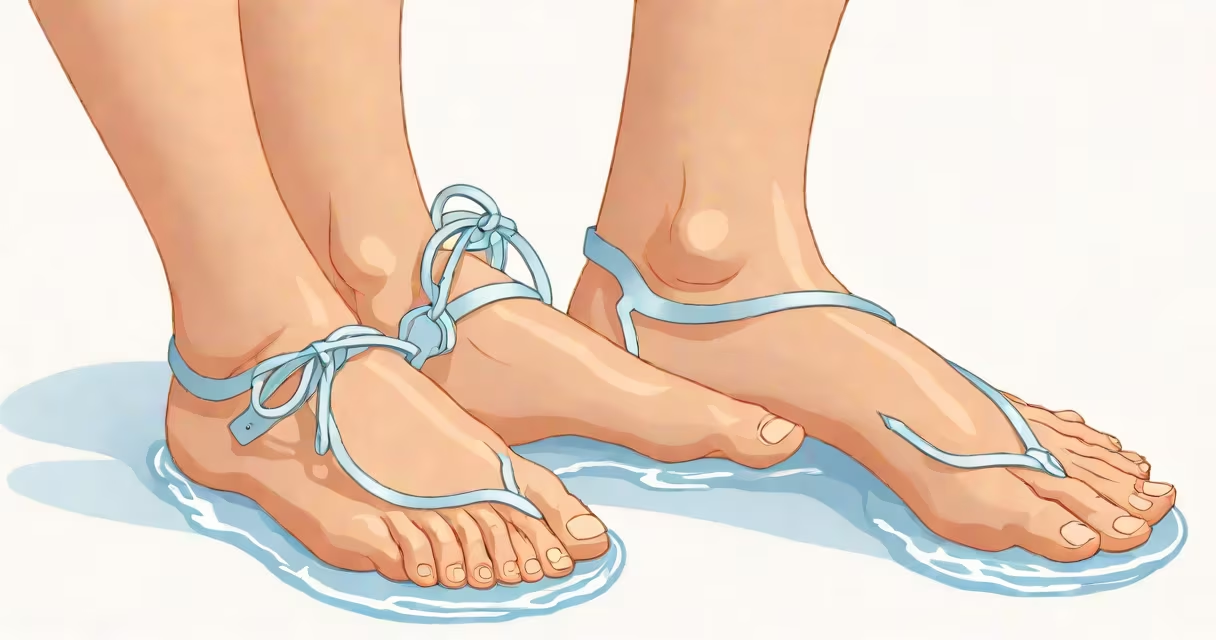
Ankle fluid build up, medically known as peripheral edema, happens when excess fluid accumulates in the tissues of the lower legs and feet. This condition often results from circulatory, cardiac, renal, or hormonal imbalances, and appears as visible swelling, puffiness, or indentations when pressed.
Edema forms when capillary pressure exceeds the forces that normally pull fluid back into blood vessels. This imbalance allows fluid to leak into surrounding tissues. The most common site is the lower extremities because gravity pulls fluid downward, especially during prolonged standing or sitting.
While mild ankle swelling may resolve with rest and elevation, persistent or worsening fluid build up signals a need for medical evaluation. Conditions such as heart failure, kidney disease, liver cirrhosis, or venous insufficiency can underlie the issue. Early detection improves outcomes, particularly when the cause is treatable.
Fluid enters the interstitial space when hydrostatic pressure in capillaries exceeds oncotic pressure pulling fluid back into circulation. Normally, the lymphatic system removes excess fluid. But when this balance is disrupted, edema forms.
For example, in heart failure, weakened left ventricular function reduces forward blood flow. Blood backs up into the pulmonary and systemic veins, increasing pressure in capillaries. This elevated pressure forces fluid out into tissues, especially in dependent areas like the ankles.
Similarly, in chronic kidney disease, reduced glomerular filtration leads to sodium and water retention. The kidneys fail to excrete enough fluid, causing volume overload. This increases intravascular pressure and promotes leakage into tissues.
Not all ankle fluid build up stems from the same root. Different conditions produce distinct patterns of swelling. Knowing the likely origin helps guide diagnosis and treatment.
| Condition | Type of Edema | Key Features | Source |
|---|---|---|---|
| Heart failure | Generalized, dependent | Swelling worsens by evening, may include breathlessness, weight gain | NIH: Heart Failure Overview |
| Kidney disease | Periorbital and generalized | Often starts around eyes, progresses to legs; may have foamy urine | National Kidney Foundation |
| Venous insufficiency | Unilateral or bilateral, lower leg | Swelling improves with elevation; skin changes like discoloration or ulcers | CDC: Venous Insufficiency |
| Medications | Drug-induced | Onset within days to weeks; resolves after discontinuation | Medscape: Drug-Induced Edema |
One non-obvious distinction: edema from heart failure tends to be symmetrical and worsens with activity or lying flat. In contrast, edema from deep vein thrombosis (DVT) usually affects one leg and may be accompanied by warmth, redness, and pain-signs of inflammation.
I once observed a patient whose ankle swelling returned each afternoon after work. He had no history of heart disease. After testing, we found elevated serum creatinine and proteinuria-indicating early-stage kidney disease. His fluid retention was not cardiac but metabolic. Adjusting his diet and prescribing a diuretic reduced swelling within a week.
Not all ankle swelling is benign. Some cases signal serious illness. Recognizing warning signs prevents complications.
Sudden onset of swelling, especially with chest pain, shortness of breath, or dizziness, may indicate pulmonary embolism or acute heart failure. These require immediate care.
Other red flags include skin that remains indented after pressing (pitting edema lasting more than 10 seconds), skin discoloration, ulceration, or fever. These suggest infection, poor circulation, or advanced disease.
Swelling that spreads rapidly to the arms or face suggests severe systemic issues. For example, nephrotic syndrome causes massive protein loss in urine, reducing plasma oncotic pressure and leading to widespread edema.
Ankle fluid build up is often confused with gout, arthritis, or cellulitis. These conditions mimic swelling but have different mechanisms.
Gout causes sharp joint pain and redness, typically in the big toe. Swelling is localized and painful, not pitting. Arthritis involves joint stiffness and deformity, not fluid accumulation in soft tissue.
Cellulitis presents with warm, red, tender skin and fever. It's bacterial, not fluid-related. Misdiagnosing it as edema delays antibiotic treatment.
A key diagnostic clue: press the swollen area with your thumb for 5 seconds. If an indentation remains for more than 10 seconds, it's likely pitting edema-fluid retention. Non-pitting swelling suggests fibrosis, lymphedema, or severe inflammation.
Doctors assess ankle fluid build up through physical exam, lab tests, and imaging. Initial steps include checking blood pressure, urine protein, electrolytes, and renal function.
Echocardiography evaluates heart function. Doppler ultrasound checks for DVT. A 24-hour urine collection measures protein excretion-critical in diagnosing nephrotic syndrome.
Treatment depends on the cause. Diuretics like furosemide reduce fluid volume in heart or kidney failure. Compression stockings help manage venous insufficiency. Lifestyle changes-reducing salt intake, avoiding prolonged standing-support recovery.
If you're managing fluid retention, consider offloading fluid buildup around the heart. That condition shares mechanisms with peripheral edema and requires similar monitoring.
Ankle fluid build up is a sign of underlying physiological disruption, not a standalone diagnosis. It reflects imbalance in fluid regulation-often due to heart, kidney, or vascular dysfunction. Recognizing patterns, timing, and associated symptoms guides accurate diagnosis.
Do not ignore persistent swelling. Early intervention prevents progression to severe complications like skin breakdown, infection, or organ damage. If swelling worsens despite rest and elevation, consult a healthcare provider promptly.