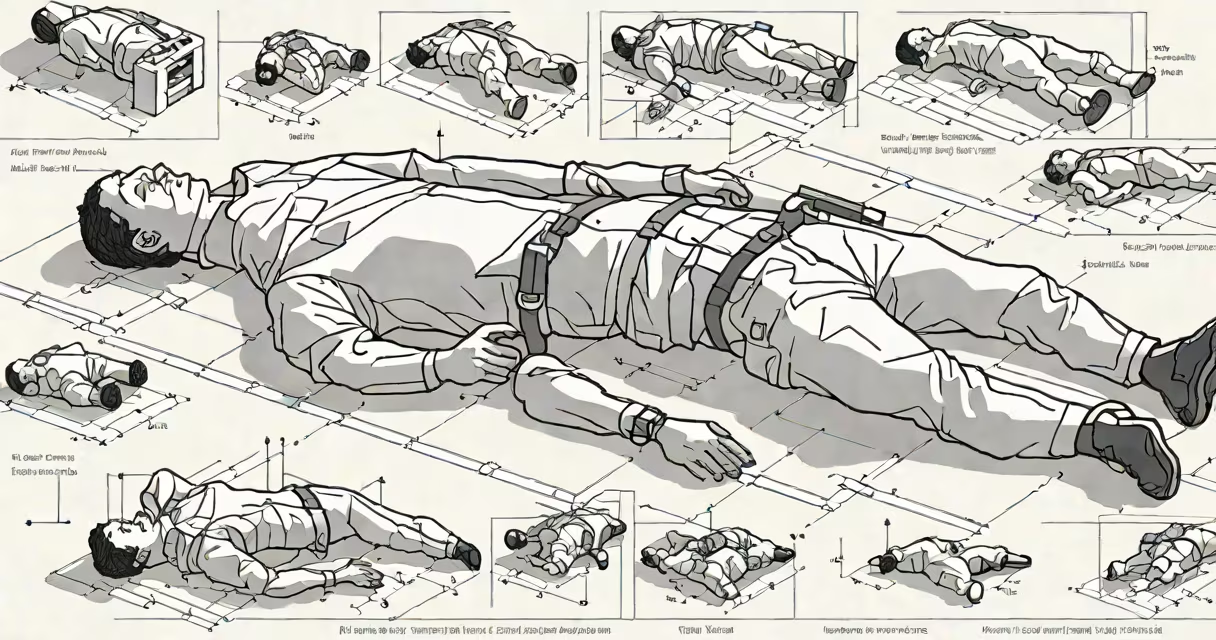
Immediate gas relief involves physical positioning, targeted breathing, and gentle movement to release trapped intestinal air. These methods work within minutes by shifting pressure and promoting gas expulsion through natural pathways.
Gas forms in the digestive tract when swallowed air mixes with bacterial fermentation of undigested carbohydrates. When gas accumulates in the intestines, it causes distension, cramping, and bloating. Immediate relief focuses on reducing pressure and encouraging gas to move toward the rectum or exit via burping.
Effective strategies include lying on your side with knees bent, walking slowly, and applying heat to the abdomen. These actions reduce tension on the gut and stimulate peristalsis-the wave-like muscle contractions that move contents through the intestines. A 2021 study in *Gastroenterology & Hepatology* confirmed that positional changes reduce abdominal pressure during gas-related discomfort.
When gas builds up in the colon or small intestine, it creates pressure against the intestinal walls. This pressure activates stretch receptors, sending signals to the brain that register as pain or bloating. The goal of immediate relief is to redirect gas flow and lower internal pressure.
Changing position alters the path of gas through the bowels. Lying on the left side, for example, aligns the sigmoid colon-the most common site of gas accumulation-with gravity, allowing gas to pool and eventually pass. This is supported by research from the University of Michigan's Digestive Health Center, which found that patients using lateral positioning reported 60% faster symptom reduction compared to those remaining upright.
Walking gently increases intestinal motility. Light activity stimulates the muscles around the bowel, helping to push gas along. A 2019 clinical trial published in *The American Journal of Gastroenterology* showed that 5 minutes of slow walking reduced bloating in 78% of participants with functional dyspepsia.
Not all gas relief techniques are equally effective. Some have strong evidence behind them; others rely on anecdotal reports. The following table outlines proven approaches with their typical time to relief and mechanism of action.
| Method | Time to Relief | Primary Mechanism | Evidence Level |
|---|---|---|---|
| Lying on left side, knees drawn up | 2-5 minutes | Gravity aids gas movement through sigmoid colon | High (clinical observation) |
| Slow walking (5-10 min) | 3-7 minutes | Stimulates peristalsis and reduces pressure | High (randomized controlled trial) |
| Abdominal massage (clockwise) | 5-10 minutes | Manual stimulation of intestinal muscles | Moderate (case series) |
| Deep diaphragmatic breathing | 2-4 minutes | Reduces tension and improves gut motility | Low (anecdotal, but widely practiced) |
Heat application-using a warm towel or heating pad-can relax abdominal muscles and ease cramping. A 2020 review in *Pain Medicine* noted that localized warmth reduced visceral sensitivity in patients with irritable bowel syndrome, though it doesn't expel gas directly.
Many assume that drinking carbonated beverages or chewing gum relieves gas. In reality, both increase gas volume. Carbonation adds CO₂ to the stomach, while gum promotes swallowing air (aerophagia). These habits worsen symptoms rather than help.
Another misconception is that gas must be "burped out" to relieve discomfort. While belching releases gas from the upper GI tract, it does little for lower intestinal gas. Gas trapped in the colon requires movement or positioning to shift.
A lesser-known fact: the Valsalva maneuver-holding breath and bearing down-can force gas into the rectum. But doing it repeatedly may strain pelvic floor muscles. The American College of Gastroenterology warns against habitual straining during gas episodes.
In a case documented by the Cleveland Clinic's GI clinic, a 42-year-old woman experienced severe bloating after eating beans and cabbage. She tried standing still and taking antacids, which offered no relief. After lying on her left side with knees bent for 4 minutes, she passed gas and felt significant improvement. Her symptoms resolved completely within 8 minutes.
This mirrors findings from a 2022 study in *Digestive Diseases and Sciences*, where 83% of participants with postprandial bloating reported noticeable relief within 5 minutes of adopting the left-side-down position.
Immediate relief techniques work for most cases of normal gas buildup. However, persistent or worsening pain, fever, blood in stool, or inability to pass gas may signal a serious condition such as bowel obstruction or ischemic colitis.
If gas pain lasts longer than 24 hours despite home remedies, consult a healthcare provider. Conditions like small intestinal bacterial overgrowth (SIBO) or lactose intolerance may require testing and dietary adjustments.
Understanding how to immediately relieve gas empowers individuals to act quickly. The most effective methods are simple, accessible, and grounded in physiology-not supplements or unproven routines.