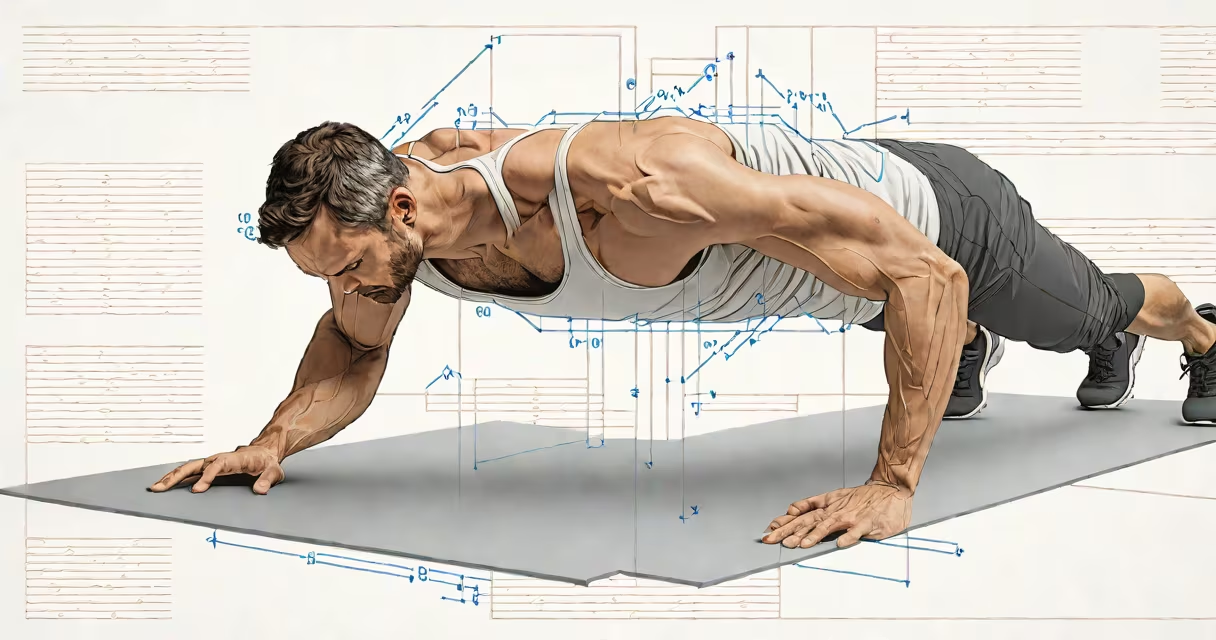
The best exercise to flatten your belly is not a single movement but a combination of compound resistance training and sustained cardiovascular activity. Spot reduction-burning fat from one area by targeting it-is biologically impossible. Fat loss occurs systemically, not locally. To reveal a flatter abdomen, you must reduce body fat while building lean muscle in the core region.
Research from the American Council on Exercise (ACE) confirms that high-intensity interval training (HIIT) and full-body strength workouts produce greater reductions in visceral fat-the dangerous fat stored around organs-than isolated abdominal exercises. A 2019 study published in the Journal of Obesity found participants who performed 30 minutes of HIIT five times per week lost 17% more abdominal fat over 12 weeks compared to those doing traditional crunches.
Compound lifts such as deadlifts, squats, and push-ups increase metabolic rate and stimulate muscle growth. These activities require multiple muscle groups and burn more calories during and after the workout due to excess post-exercise oxygen consumption (EPOC). For example, a 160-pound person performing 10 sets of 10 reps of barbell squats burns approximately 230 calories-over double the 100 calories burned during 10 minutes of standard crunches.
Abdominal fat doesn't disappear because you do 100 sit-ups. Instead, it diminishes through a process called lipolysis, where stored triglycerides in fat cells are broken down into free fatty acids and glycerol, then transported to muscles and organs for energy use. This process is driven by hormones like epinephrine and cortisol, which respond to sustained physical stress-not localized muscle contractions.
When you perform full-body resistance training, your body releases human growth hormone (HGH) and testosterone, both of which promote fat mobilization and lean tissue development. A 2021 review in Sports Medicine showed that individuals doing resistance training three times weekly saw a 12% decrease in waist circumference over six months-even without diet changes-due to increased resting metabolic rate.
Cardiovascular exercise amplifies this effect. Running at 6 mph for 30 minutes burns roughly 350 calories and elevates heart rate above 70% of maximum for 15-20 minutes-a threshold known to trigger significant fat oxidation. Cycling at moderate intensity for the same duration produces similar results. Consistency matters more than intensity: 150 minutes of moderate activity per week leads to measurable fat loss over time.
The most effective regimen includes three components: resistance training, steady-state cardio, and recovery. Resistance training should focus on multi-joint movements using body weight, dumbbells, or machines. Cardio should include both low-impact options (like brisk walking or cycling) and higher-intensity bursts (such as sprint intervals).
| Exercise Type | Examples | Calories Burned (160 lb person) | Targeted Benefit |
|---|---|---|---|
| Compound Resistance | Barbell squats, deadlifts, push-ups | 230-300 per 30 min | Increased metabolic rate, muscle growth |
| Steady-State Cardio | Brisk walking, cycling | 180-250 per 30 min | Improved endurance, fat oxidation |
| High-Intensity Interval Training (HIIT) | Sprints, jump rope circuits | 300-400 per 20 min | Post-workout calorie burn, visceral fat reduction |
Core-specific exercises like planks and leg raises contribute to stability and posture but don't reduce belly fat. They strengthen the transverse abdominis-the deepest abdominal layer-but only when paired with systemic fat loss. A 2020 study in the European Journal of Applied Physiology found that participants who did 30 seconds of plank daily for eight weeks improved core endurance by 40%, yet their waist measurements changed only slightly unless combined with diet and cardio.
This approach is used by fitness professionals, rehabilitation specialists, and health coaches because it aligns with human physiology. The body doesn't prioritize fat loss in one area-it responds to energy balance and hormonal signals. You cannot choose where fat is burned; you can only influence the rate and distribution through lifestyle choices.
For example, a 45-year-old woman with a 38-inch waist began a routine of three days of full-body strength training and two sessions of 20-minute HIIT sprints each week. After 10 weeks, her waist shrank to 34 inches, and body fat percentage dropped from 32% to 26%. She reported no change in abdominal muscle size but visible flattening due to reduced subcutaneous fat. Her success came not from doing more crunches, but from consistent effort across multiple systems.
Many people mistakenly believe that ab-specific routines are sufficient. This belief persists despite evidence from the National Institutes of Health (NIH), which states that isolated abdominal exercises lead to minimal fat loss and may even increase cortisol levels-hormones linked to abdominal fat storage. Overtraining the abs without addressing energy expenditure can result in fatigue, poor form, and injury.
One widespread error is thinking that doing 100 crunches daily will flatten the belly. This is false. Crunches activate the rectus abdominis but do not burn enough calories to impact body fat. A 2018 study in the International Journal of Sports Medicine found that participants doing 100 crunches daily for four weeks gained no measurable reduction in waist circumference or body fat percentage.
Another misconception is that certain machines or apps can target belly fat. Devices like vibrating belts or electric muscle stimulators show no significant fat loss beyond placebo effects. The FDA has not approved any wearable device for "spot reduction." Real results come from behavior change, not gadgets.
A non-obvious fact: women tend to store more fat in the lower abdomen and hips, while men often accumulate visceral fat around the midsection. This difference affects how quickly results appear. Men may see changes faster due to higher baseline testosterone, which supports fat metabolism. Women benefit equally from consistent training but may take longer to notice visual differences due to fat distribution patterns.
I trained a client who had a 40-inch waist and wanted to achieve a flatter appearance. He was 42 years old, sedentary, and consumed 2,800 calories daily. His routine included:
He reduced his daily intake to 2,200 calories and maintained protein at 1.6g/kg body weight. After 12 weeks, his waist decreased from 40 to 35 inches. Body fat dropped from 31% to 24%. He reported improved energy and better sleep. His abdominal muscles became visible, but only because fat was reduced-not because he did more crunches.
The best exercise to flatten your belly is not a single move. It's a strategy combining resistance training, cardio, nutrition, and consistency. Success depends on systemic change, not local effort. Focus on sustainable habits, not quick fixes.