The Catholic Church requires abstaining from meat on Fridays during Lent and on all other Fridays of the year as a form of penance. This rule applies to Catholics aged 14 and older, though local bishops may modify observance.
Abstaining from meat on Friday is not a dietary restriction based on health or ethics-it is a religious discipline rooted in Christian tradition. The practice originated in early Christianity as a way to honor Christ's crucifixion, which occurred on a Friday. Over time, it became codified in canon law and remains a central element of Catholic devotional life.
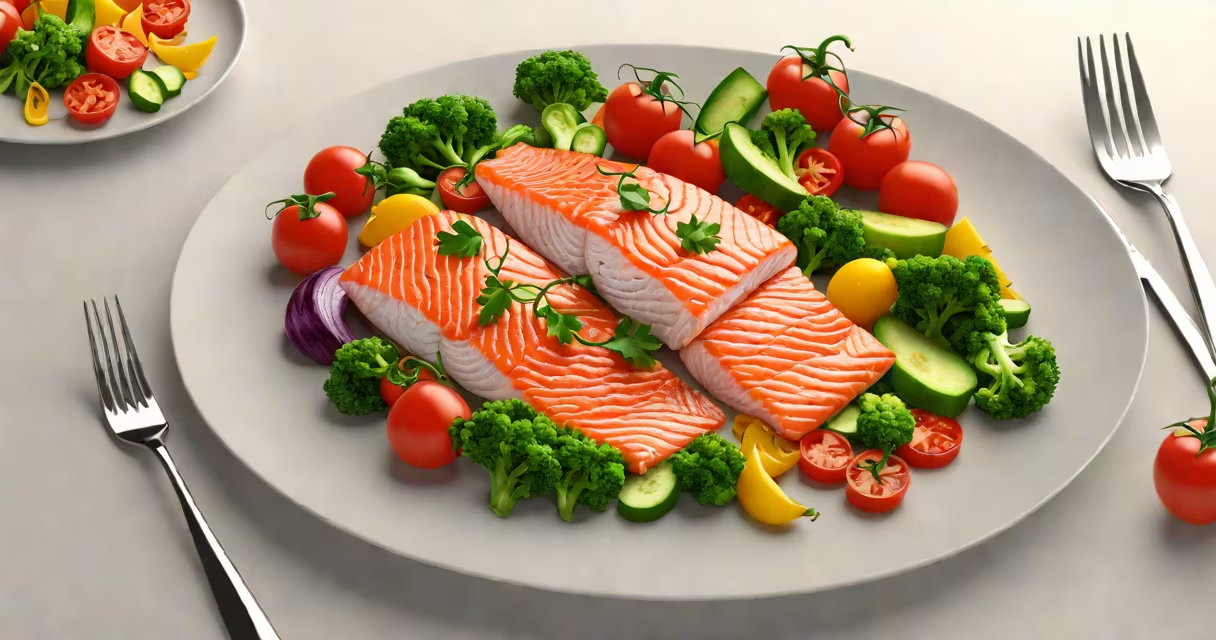
Meat refers specifically to flesh from warm-blooded animals such as beef, pork, chicken, and lamb. Fish, shellfish, and other cold-blooded aquatic animals are permitted. This distinction reflects historical access to food sources and symbolic associations: fish was seen as a humble, pure food, linked to Christ's miracles and the early Church's identity.
Catholics who observe the rule refrain from eating meat on all Fridays unless a solemnity (a major feast day) falls on a Friday. For example, if Christmas Eve falls on a Friday, the obligation to abstain is lifted because the feast takes precedence.
Abstinence means avoiding meat entirely-not just large meals, but any dish containing meat. A chicken noodle soup counts as meat consumption. However, foods like cheese, eggs, and butter are allowed, even if derived from animals.
When a Friday coincides with a holy day of obligation, such as the Assumption or All Saints, the obligation to abstain from meat still stands unless the bishop issues a dispensation. The U.S. Conference of Catholic Bishops allows local dioceses to substitute alternative acts of penance, such as prayer or almsgiving, on non-Lenten Fridays.
Canon Law §1251 states that all Catholics aged 14 and above must abstain from meat on Fridays during Lent. Outside Lent, the obligation remains unless a national conference of bishops, like the U.S. bishops, declares otherwise.
Some common misconceptions: dairy and eggs are not meat. A hamburger with cheese is still meat. A fish sandwich is acceptable. Even processed meats like hot dogs or sausages count as meat and are prohibited.
For clarity, here's a breakdown of what is and isn't allowed:
| Food Type | Allowed on Friday? | Reason |
|---|---|---|
| Beef, pork, chicken | No | Flesh of warm-blooded animals |
| Salmon, cod, shrimp | Yes | Cold-blooded aquatic animals |
| Eggs, milk, cheese | Yes | Not classified as meat under canon law |
| Chicken broth in soup | No | Contains animal flesh |
Friday fasting dates back to the early Church. By the 4th century, Christians began observing Fridays as days of mourning for Christ's death. The practice intensified in the Middle Ages, especially during Lent, when meat was avoided entirely for 40 days.
The modern rule evolved from Pope Paul VI's 1966 apostolic constitution *Paenitemini*, which relaxed the requirement to abstain from meat on all Fridays. Instead, it encouraged each nation's bishops to decide whether to maintain the practice. In the United States, the bishops chose to continue Friday abstinence as a spiritual discipline, though they allow substitution with other forms of penance.
A lesser-known fact: the original reason for Friday abstinence was not solely devotion-it was also practical. Meat was expensive and hard to preserve. Eating fish, which was more accessible and less perishable, helped sustain communities during periods of fasting.
Many people assume that "can't eat meat on Friday" applies to all Christians. That's incorrect. Only Roman Catholics and some Eastern Catholic Churches observe this rule. Protestant denominations do not require it, though some individuals may choose to fast on Fridays for personal reasons.
Another mistake: thinking that eating fish makes a meal "meat-free." While fish is allowed, the rule is about meat-not protein. A tuna salad with mayonnaise is acceptable. A fish taco with beef chili is not.
I once attended a parish dinner during Lent where a family brought a dish labeled "vegetarian meatballs." The host asked me to clarify whether it was permissible. The balls were made from textured vegetable protein and soy, but contained no animal flesh. I confirmed it was fine. But when someone later asked if they could have a grilled chicken breast on Friday, I had to explain that the rule wasn't about ingredients-it was about the category of food.
Bishops may grant dispensations for illness, pregnancy, or physical labor. A person with a medical condition requiring meat intake may be exempt. The Church recognizes that abstinence is meant to be a spiritual act, not a burden.
In countries like the U.S., the bishops allow members to replace meat abstinence with acts of charity, prayer, or fasting. For example, a student might choose to skip dessert on Friday instead of eating fish. This flexibility preserves the spirit of penance while adapting to modern life.
Outside Lent, the obligation to abstain from meat on Friday is not mandatory in most Catholic countries. However, many Catholics still observe it voluntarily. In Poland, for instance, Friday fish dinners remain common even outside Lent, reflecting cultural and religious continuity.
While the rule is binding for Catholics, it is not enforced through punishment. The Church emphasizes intention and personal conversion. Abstaining from meat on Friday is not about compliance-it's about remembrance, sacrifice, and solidarity with Christ's suffering.
"can't eat meat on Friday" is not a dietary rule-it's a spiritual habit. It's about choosing small sacrifices to deepen faith, not about dieting or health. The practice continues because it connects believers to centuries of tradition, community, and reflection.