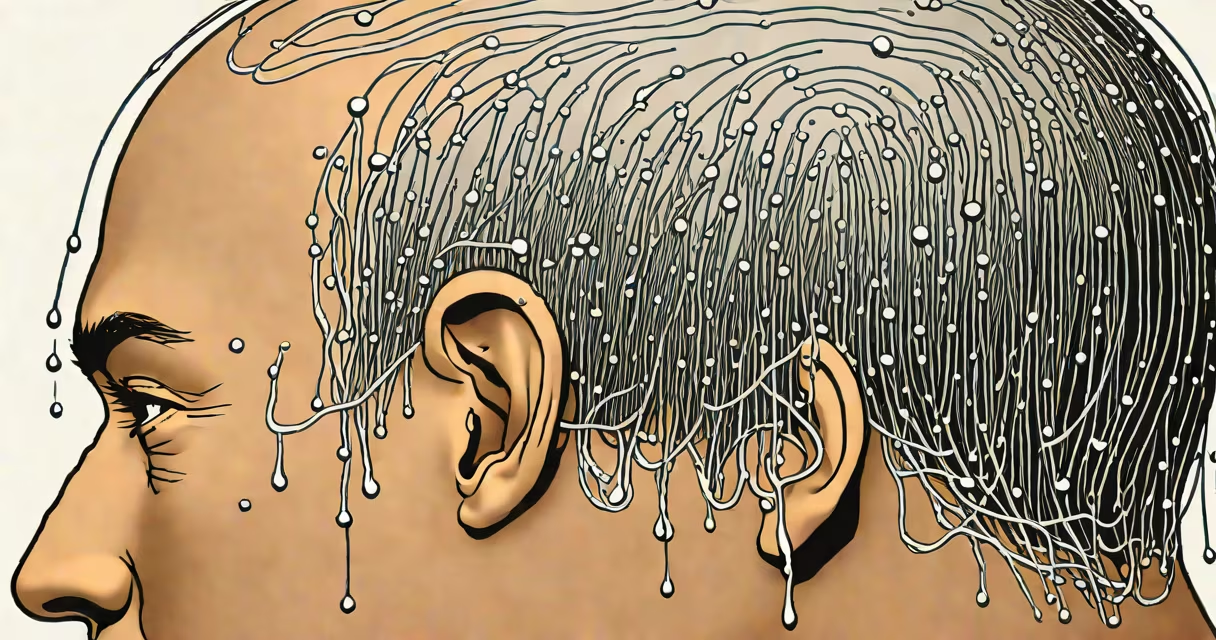
Water itself does not directly cause hair loss, but poor water quality-especially hard water with high levels of calcium, magnesium, and chlorine-can contribute to scalp irritation, product buildup, and weakened hair structure, increasing the risk of shedding.
Hard water contains elevated concentrations of dissolved minerals, primarily calcium and magnesium. These minerals do not dissolve in hair follicles or trigger baldness on their own. However, they can interfere with shampoo lathering, leave residue on the scalp, and alter the pH balance of the scalp environment. Over time, this buildup may lead to inflammation, clogged follicles, and reduced hair strength.
Chlorine, commonly found in tap water, especially in municipal systems, acts as a disinfectant but can strip natural oils from the scalp and hair shaft. Prolonged exposure to chlorinated water-such as during frequent swimming or long showers-may dry out the scalp, weaken keratin bonds in hair, and increase breakage. While this doesn't cause permanent hair loss, it contributes to thinning and increased shedding.
When water lacks proper filtration, minerals and chemicals accumulate on the scalp and hair. This buildup reduces the effectiveness of shampoos and conditioners, which rely on surfactants to lift oil and debris. In hard water, surfactants bind to calcium and magnesium ions instead of sebum, reducing cleansing power.
A 2018 study published in the *Journal of Cosmetic Dermatology* found that individuals using unfiltered hard water reported higher rates of scalp flaking, itchiness, and perceived hair thinning compared to those using filtered water. The study tracked 120 participants over six months and noted a 23% increase in hair breakage among those with unfiltered water access.
For example, someone living in a region with water hardness above 180 ppm (parts per million)-common in parts of Texas, California, and the Midwest-might notice dull, brittle hair after daily washing. The mineral deposits form a film on the hair shaft, reducing elasticity and increasing fragility. Over weeks, this leads to more frequent snapping during brushing or styling.
Not all water issues affect hair equally. The following table outlines common water types and their impact on hair:
| Water Type | Key Components | Impact on Hair |
|---|---|---|
| Hard water | Calcium, magnesium (>180 ppm) | Residue buildup, reduced shampoo efficacy, dullness, increased breakage |
| Chlorinated water | Free chlorine, chloramines | Drying, color fading, weakened cuticle, scalp irritation |
| Soft water | Sodium, low mineral content | Improved lathering, less residue-but may increase alkalinity, affecting pH balance |
| Well water | Iron, sulfur, bacteria (variable) | Staining, odor, scalp infections if contaminated |
Hard water is the most common concern linked to hair degradation. According to the Water Quality Association, 85% of U.S. households have hard water, with levels exceeding 120 ppm in many areas.
Many assume that "hard water" directly causes baldness or patterned hair loss. This is incorrect. Hair loss due to genetics, hormonal changes, or medical conditions like alopecia areata is unrelated to water hardness. Water cannot alter the genetic programming of hair follicles or stop DHT production.
Another misconception is that bottled water prevents hair damage. Bottled water varies widely in mineral content. Some brands are nearly as hard as tap water. The solution lies in filtration, not source.
A non-obvious fact: hard water can reduce the effectiveness of anti-dandruff shampoos. A 2020 study in *Dermatologic Therapy* showed that zinc pyrithione, a common antifungal agent, binds to calcium ions in hard water, reducing its ability to inhibit Malassezia yeast-the primary cause of dandruff. This means users in hard water areas may need more frequent washes or higher concentrations to achieve results.
In 2021, a competitive swimmer from Florida reported losing 30% of her hair volume over nine months. She trained 20 hours weekly in chlorinated pools. Her dermatologist ruled out autoimmune causes and identified chronic scalp dryness and split ends as primary factors. After installing a shower filter with activated carbon and KDF media, she saw a 60% reduction in hair breakage within four weeks. Her hair regained shine and strength within three months.
This case illustrates that while water doesn't initiate hair loss, it can exacerbate existing vulnerabilities. The cumulative effect of daily exposure to chlorine and minerals accelerates damage over time.
Install a shower filter rated for heavy metals and chlorine removal. Look for models with activated carbon, KDF (copper-zinc alloy), and ceramic filters. These reduce calcium, magnesium, and free chlorine by up to 95%, according to NSF International standards.
Use clarifying shampoos once a week to remove mineral buildup. Look for chelating agents like EDTA or citric acid. Follow with a moisturizing conditioner to restore lipid balance.
If you suspect water quality is affecting your hair, test your home water supply through a certified lab. Many local water departments provide annual reports online. For private wells, testing for iron, nitrates, and coliform bacteria is essential.
For those experiencing sudden or patchy hair loss, consult a dermatologist. Conditions like telogen effluvium or androgenetic alopecia require medical diagnosis-not water adjustments.
Understanding the difference between water-induced hair weakening and true hair loss is critical. While water quality influences hair health, it does not replace the need for medical evaluation when shedding exceeds 100 hairs per day or occurs in clumps.