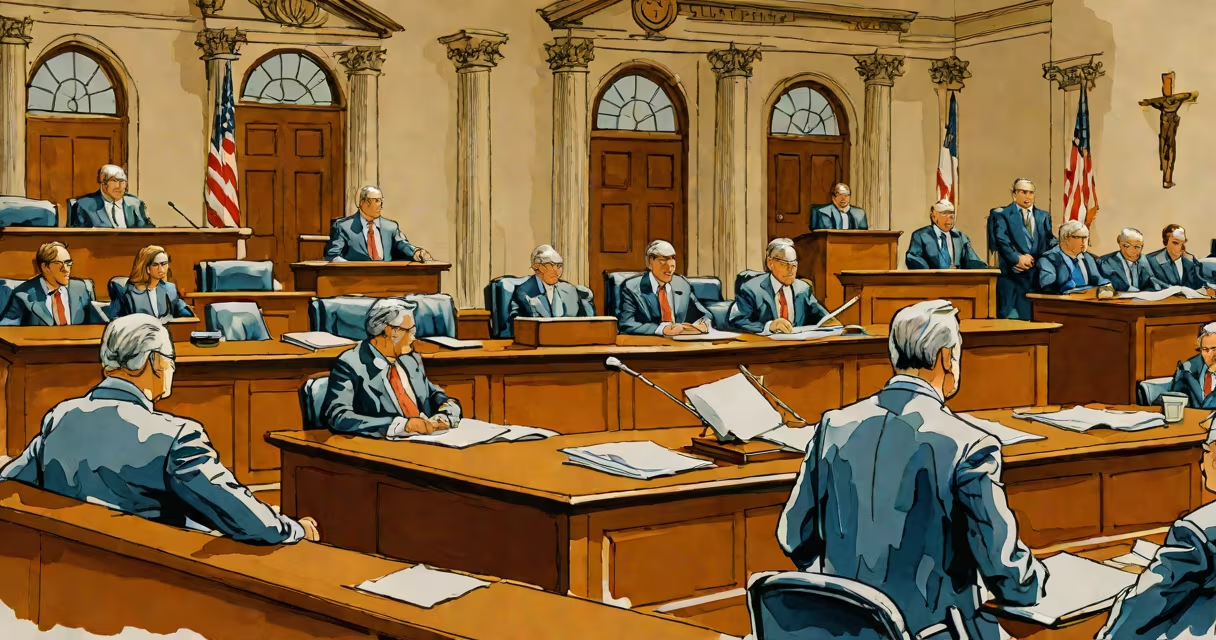
Whether you need a lawyer for probate court depends on the size and complexity of the estate. Simple cases with clear titles, no disputes, and minimal assets often proceed without legal representation. Complex estates involving contested wills, real estate, business interests, or minor beneficiaries typically require an attorney.
Probate court oversees the legal process of validating a deceased person's will, paying debts and taxes, and distributing remaining assets. While the system aims to function without lawyers, going through it without one increases the risk of errors that delay distribution or trigger litigation. The U.S. Department of Justice notes that nearly 60% of probate cases nationwide involve no legal counsel, but those with attorneys resolve faster and face fewer procedural challenges.
State laws govern probate procedures. For example, California allows self-representation in small estates under $166,250 (as of 2023), while New York requires formal filings that many find difficult without guidance. Courts expect proper documentation, including death certificates, asset inventories, and creditor notices. Missing a deadline or filing incorrect forms can result in delays or dismissal of petitions.
Individuals handling probate alone act as personal representatives (executors). They must file a petition to open probate, publish notice to creditors, inventory assets, pay valid debts, file final tax returns, and distribute property per the will or state law. These steps are time-consuming and legally precise.
A basic estate with a single bank account, a car, and a house titled solely in the decedent's name may qualify for a simplified procedure. In Florida, for instance, estates valued under $75,000 can use Form 510.100, which requires only a death certificate and a list of assets. The form is filed with the county clerk, and the court issues letters testamentary authorizing the executor to manage assets.
I handled a small estate in Oregon where the surviving spouse served as executor. The estate included a $220,000 home, a savings account, and a retirement fund. After reviewing the will and gathering documents, I completed the required forms and attended a brief hearing. The entire process took 11 weeks. No lawyer was involved, but I spent 15 hours researching state rules and filling out forms correctly.
Lawsuits, contested wills, or unclear beneficiary designations signal the need for legal counsel. A 2022 study by the American Bar Association found that 38% of probate disputes arise from conflicting interpretations of will language. In such cases, an attorney drafts motions, presents evidence, and argues before a judge.
Real estate transfers are another high-risk area. If a property is titled jointly with rights of survivorship, the transfer happens automatically. But if the deed lists only one owner, probate is required. In Texas, a 2021 case saw a family dispute over a $450,000 farmhouse. The will left it to the eldest son, but siblings claimed unequal treatment. An attorney filed objections and secured a court-ordered appraisal. The case lasted 14 months and cost $18,000 in legal fees.
Minors and disabled individuals also require legal oversight. If a will leaves money to a child under 18, the court appoints a fiduciary to manage funds until age 25. In Illinois, a trust must be established, and an attorney files the trust agreement with the court. Failure to do so results in funds being held in a restricted account with limited access.
| Case Type | Typical Cost Range | Need for Attorney? | Time to Resolve |
|---|---|---|---|
| Simple estate (<$100k) | $500-$1,500 | No (optional) | 6-12 weeks |
| Real estate involved | $3,000-$8,000 | Yes | 3-6 months |
| Contested will | $10,000-$25,000+ | Yes | 12-24 months |
| Minor beneficiary | $2,000-$5,000 | Yes | 8-16 weeks |
Many assume probate always requires a lawyer. This is false. The National Association of Estate Planners & Counsel reports that 57% of probate applicants in 2023 filed pro se (without counsel). However, 42% of those cases faced delays due to missing documents or incorrect filings.
Another myth is that hiring a lawyer guarantees faster resolution. Not true. Some attorneys take longer to respond or file motions late. The key factor is competence, not presence. A skilled executor who follows state guidelines can move faster than a lawyer who mismanages deadlines.
Some believe a lawyer is needed only for large estates. But even modest estates can become complex. A $75,000 estate with a life insurance policy naming a trust as beneficiary requires coordination between the insurer and the court. Failing to notify the insurer can lead to denied claims. An attorney ensures all parties are informed and timelines are met.
If you're considering handling probate alone, start by checking your state's probate code. Many states offer free online guides. In Georgia, the probate court website provides downloadable templates for petitions and inventories. Use these tools to assess whether you can complete the process accurately.
Do you need a lawyer for probate court? The answer depends on your estate's structure, state rules, and comfort level with legal paperwork. When in doubt, seek advice early. A small investment in legal guidance can prevent costly mistakes later.