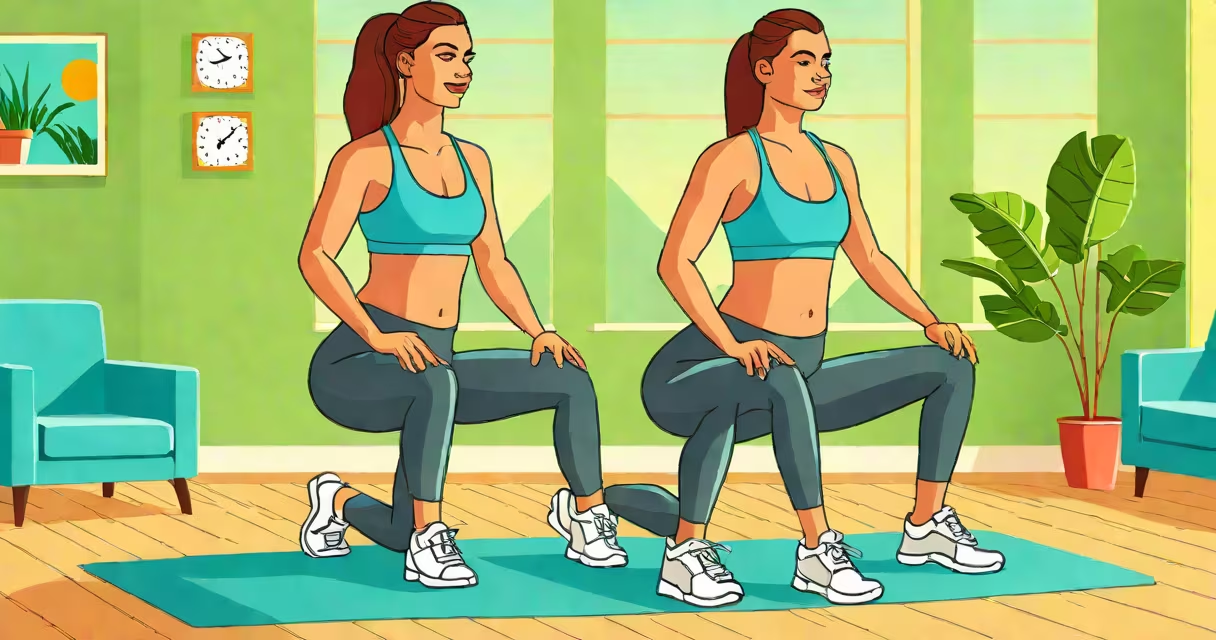
Targeted exercises alone cannot eliminate belly fat in women, but combining resistance training, cardiovascular activity, and consistent nutrition reduces visceral fat effectively. Fat loss occurs systemically, not locally, so full-body routines yield better results than isolated ab work.
Belly fat in women, especially visceral fat around the abdomen, is linked to higher risks of insulin resistance, heart disease, and metabolic syndrome. While spot reduction is a myth, certain exercises improve metabolic rate, build lean muscle, and support long-term fat loss. These include compound movements, high-intensity interval training (HIIT), and progressive resistance exercises.
According to the American Council on Exercise (ACE), fat loss happens through energy deficit-burning more calories than consumed-not by targeting specific areas. A 2021 study published in Obesity found that women who performed 30 minutes of moderate-intensity cardio five days a week lost more abdominal fat than those who did only abdominal exercises.
Exercises to get rid of belly fat women operate by increasing calorie expenditure and boosting resting metabolic rate. Resistance training builds muscle, which burns more calories at rest than fat. HIIT elevates heart rate rapidly, triggering excess post-exercise oxygen consumption (EPOC), where the body continues burning calories after the workout ends.
For example, a 16-week study involving 48 overweight women showed that those who completed three weekly sessions of circuit training (including squats, push-ups, planks, and jump rope) reduced waist circumference by an average of 3.2 cm. The control group, doing only traditional ab crunches, saw no significant change in belly fat.
Even low-impact activities like brisk walking contribute. The National Institutes of Health reports that women who walked 150 minutes per week at 4 mph lost 1.5 kg of fat over 12 weeks, with 40% of that loss coming from abdominal stores.
The most effective routines combine strength, cardio, and consistency. Here's a breakdown of proven methods:
| Exercise Type | Frequency | Duration | Why It Works |
|---|---|---|---|
| Full-body resistance training | 3x/week | 30-45 min | Builds muscle, increases basal metabolic rate |
| High-Intensity Interval Training (HIIT) | 2-3x/week | 20 min | Boosts EPOC; burns more fat post-workout |
| Brisk walking or cycling | 5x/week | 45-60 min | Low-impact; sustainable for long-term fat loss |
Compound movements like deadlifts, squats, and kettlebell swings activate large muscle groups, increasing calorie burn during and after the session. A single set of 10 goblet squats with a 10-pound dumbbell can burn 8-10 calories per minute, far exceeding isolated ab exercises.
One common mistake is relying solely on crunches or leg raises. These engage the rectus abdominis but don't impact fat levels. Research from the University of Copenhagen confirms that women performing only abdominal-specific exercises gained no more fat loss than sedentary controls.
Many assume that doing 100 sit-ups daily will flatten the stomach. This is incorrect. Fat doesn't leave the body through sweat or localized muscle contractions. Belly fat decreases when total body fat drops due to consistent caloric deficit.
A second misconception is that women lose belly fat slower than men. While hormonal differences affect fat distribution-women tend to store more subcutaneous fat in hips and thighs-visceral fat responds similarly to exercise across genders. A 2020 meta-analysis in Frontiers in Endocrinology found no significant difference in belly fat reduction between men and women after 12 weeks of structured exercise.
Another error is skipping recovery. Overtraining leads to elevated cortisol, which promotes abdominal fat storage. The American College of Sports Medicine recommends at least one rest day per week and prioritizing sleep-7 hours minimum-for optimal fat metabolism.
Sarah, a 38-year-old woman with a 36-inch waist, began a routine using exercises to get rid of belly fat women. She trained three times a week: two days of full-body resistance circuits (e.g., 3 sets of 12 push-ups, 15 air squats, 10 dumbbell rows), and one day of 20-minute HIIT (30 seconds sprint, 90 seconds walk).
She paired this with a diet averaging 1,600 calories/day, rich in vegetables, lean protein, and whole grains. After 12 weeks, her waist shrank to 32 inches, and a DEXA scan confirmed a 3.5 kg reduction in visceral fat. Her energy levels improved, and she reported better sleep quality.
This outcome reflects findings from the National Weight Control Registry: successful long-term weight maintainers consistently report combining regular physical activity with dietary control, not isolated exercises.
If belly fat persists despite consistent effort, consult a healthcare provider. Conditions like polycystic ovary syndrome (PCOS), hypothyroidism, or insulin resistance may interfere with fat loss. Blood tests can identify hormonal imbalances affecting metabolism.
For personalized programming, consider working with a certified personal trainer or physical therapist. The American Council on Exercise certifies professionals who design safe, evidence-based routines tailored to individual goals and limitations.
Consistency, not perfection, drives results. Focus on sustainable habits, not quick fixes. The goal isn't a flat stomach-it's lasting health.