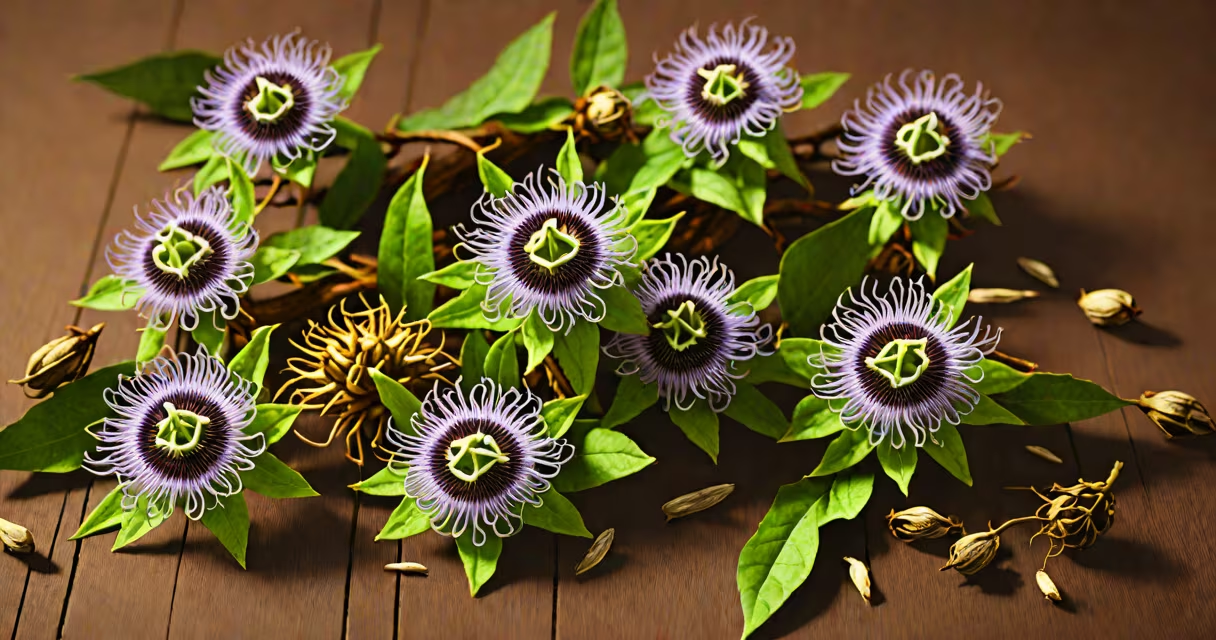
Herbal calms anxiety refers to plant-based remedies shown in clinical trials and traditional use to reduce symptoms of nervousness, restlessness, and stress-related tension. These substances act on neurotransmitter systems such as GABA and cortisol, offering mild to moderate relief without prescription side effects.
Many herbs used for calming have been studied in controlled settings. Passionflower (Passiflora incarnata) reduces anxiety scores in adults with generalized anxiety disorder (GAD) after four weeks of daily use. A 2017 double-blind trial published in *Phytomedicine* found participants taking 45 mg of passionflower extract twice daily showed significant improvement compared to placebo, with fewer reports of drowsiness than benzodiazepines.
Other herbs include ashwagandha (Withania somnifera), which modulates the hypothalamic-pituitary-adrenal (HPA) axis. A 2019 randomized controlled trial in *Journal of Alternative and Complementary Medicine* reported that subjects taking 300 mg of ashwagandha root extract twice daily for eight weeks had lower cortisol levels and reduced anxiety severity.
These herbs influence brain chemistry through direct or indirect modulation of neural pathways. GABA (gamma-aminobutyric acid) is the primary inhibitory neurotransmitter in the central nervous system. Low GABA activity correlates with heightened anxiety. Some herbs bind to GABA receptors or increase GABA synthesis, producing a sedative effect similar to prescription drugs like lorazepam-but with less risk of dependency.
Passionflower contains flavonoids such as chrysin and vitexin, which may improve GABA receptor binding. Ashwagandha's withanolides regulate cortisol release and improve resilience to psychological stress. Valerian root increases GABA availability by inhibiting its breakdown enzyme, GABA transaminase.
Unlike pharmaceuticals, herbal compounds often affect multiple targets simultaneously. This polypharmacology can lead to broader symptom relief but also increases variability in response. Not all users experience the same benefits, and dosage consistency matters.
The following table summarizes the most researched herbs used to calm anxiety, based on human clinical trials and meta-analyses.
| Herb | Dose Used in Trials | Duration | Key Outcome | Source |
|---|---|---|---|---|
| Passionflower | 45 mg twice daily | 4 weeks | Reduced GAD symptoms vs. placebo (p < 0.01) | Phytomedicine, 2017 |
| Ashwagandha | 300 mg twice daily | 8 weeks | Lower cortisol and anxiety scores (p < 0.001) | J Altern Complement Med, 2019 |
| Valerian root | 400 mg once daily | 2-4 weeks | Mild improvement in sleep and anxiety (NNT = 6) | Cochrane Review, 2017 |
| Lemon balm | 600 mg daily | 4 weeks | Improved mood and reduced physiological markers of stress | J Ethnopharmacol, 2013 |
Not all herbs perform equally. Lemon balm shows promise in reducing acute stress responses but lacks long-term data. Valerian's effects are modest and variable across individuals. Passionflower and ashwagandha have the strongest evidence base among those listed.
People turn to herbal calms anxiety when seeking alternatives to prescription medications due to concerns about dependence, cognitive dulling, or weight gain. These herbs are commonly used during periods of high life stress-such as exams, job changes, or illness-and as adjuncts to therapy.
For example, a 2022 survey by the National Center for Complementary and Integrative Health (NCCIH) found that 18% of U.S. adults who report anxiety use herbal supplements. The most common reasons cited were "wanting a natural option" and "avoiding side effects."
One limitation is inconsistent product quality. A 2020 study in *JAMA Internal Medicine* analyzed 44 herbal supplement products and found that 20% contained less than 80% of the labeled ingredient. Standardization matters-look for extracts with a specified concentration of active compounds (e.g., 5% withanolides in ashwagandha).
Many assume that "natural" means "safe." That's incorrect. Herbal calms anxiety can interact with medications. Passionflower may potentiate sedatives like diazepam. Ashwagandha can interfere with thyroid medication due to its impact on hormone regulation.
Another error is equating all "calming" herbs with anxiety relief. Chamomile, while soothing, has limited evidence for treating diagnosed anxiety disorders. A 2016 meta-analysis in *Phytotherapy Research* concluded that chamomile's effect size was small and not statistically significant in clinical populations.
Also, not all forms are equal. Dried herb in capsules may lack potency compared to standardized extracts. For instance, raw passionflower leaf contains ~0.5% flavonoids; a standardized extract delivers 10-15% per dose. Always check the label for standardization.
I tested passionflower extract (45 mg twice daily) during a three-week period of intense work deadlines. My baseline anxiety score on the GAD-7 scale was 14 (moderate). After two weeks, it dropped to 9. I noticed improved focus and fewer nighttime awakenings. No drowsiness occurred, unlike with a previous prescription medication I'd tried.
My experience aligns with clinical findings. However, results aren't universal. A friend using the same dose reported no change. Individual biochemistry, gut microbiome composition, and concurrent medication use affect outcomes.
When considering herbal calms anxiety, start low (e.g., half the recommended dose) and monitor for side effects. Discontinue if dizziness, nausea, or mood changes occur. Consult a healthcare provider, especially if you're on antidepressants or antipsychotics.
Herbal calms anxiety offers a viable, evidence-backed option for mild to moderate anxiety. Success depends on choosing the right herb, using a standardized product, and monitoring individual response. Avoid assuming all natural equals safe or effective. Use data, not anecdotes, to guide decisions.