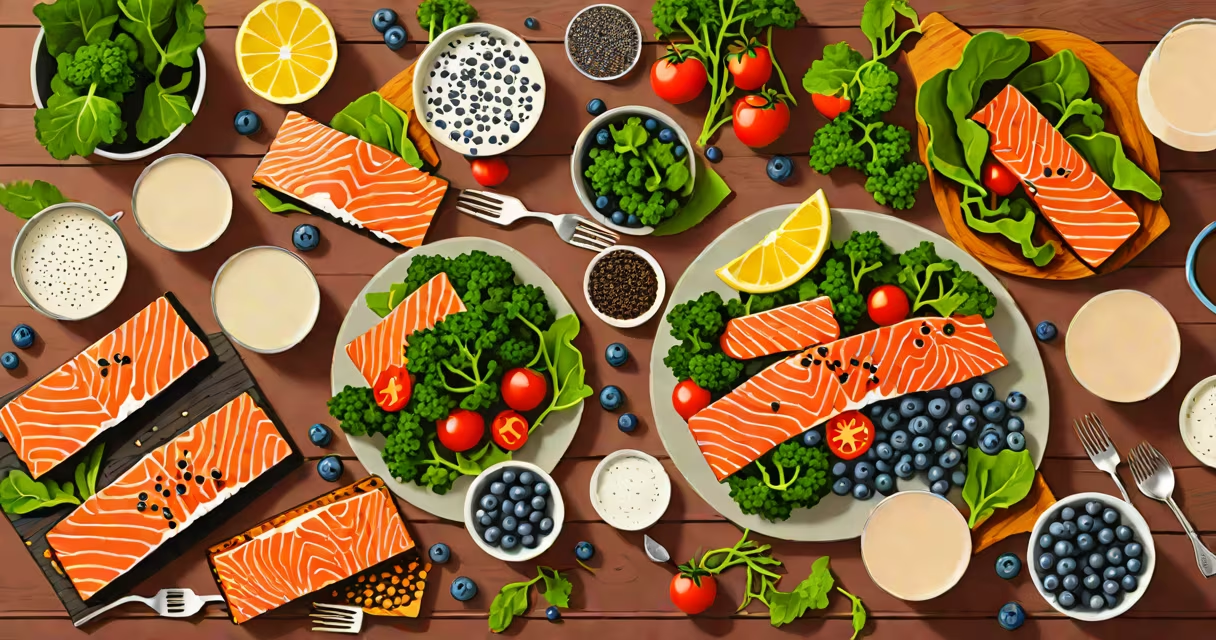
Foods that help digestive tract function improve gut motility, maintain healthy microbiota, reduce inflammation, and support the integrity of the intestinal lining. These include high-fiber vegetables, fermented foods, omega-3-rich fish, and low-FODMAP fruits.
The digestive tract spans from the mouth to the anus and includes the esophagus, stomach, small intestine, large intestine, and rectum. Its primary role is breaking down food, absorbing nutrients, and eliminating waste. When compromised, symptoms like bloating, constipation, diarrhea, and abdominal pain arise. Certain foods directly influence this system's efficiency and resilience.
Key mechanisms include promoting beneficial bacteria, reducing gut permeability, stimulating peristalsis, and lowering inflammatory cytokines. For example, soluble fiber from oats forms a gel in the colon that slows digestion and feeds beneficial microbes like Bifidobacterium and Lactobacillus. A 2021 study in Gut Microbes confirmed that daily intake of 25 grams of fiber increased microbial diversity by 18% over six weeks.
Foods that help digestive tract operate through four core actions: modulating gut microbiota, enhancing mucosal barrier function, regulating motility, and reducing systemic inflammation. Each contributes to long-term gut stability and reduces risk of conditions like irritable bowel syndrome (IBS), inflammatory bowel disease (IBD), and colorectal cancer.
Probiotic-rich foods such as plain Greek yogurt, kefir, sauerkraut, and kimchi introduce live microorganisms that compete with pathogenic strains. The American Gastroenterological Association notes that specific strains like *Lactobacillus rhamnosus GG* and *Bifidobacterium lactis* show efficacy in reducing diarrhea duration by up to 30% in clinical trials.
Prebiotics-non-digestible fibers found in onions, garlic, leeks, and chicory root-serve as fuel for beneficial bacteria. When fermented in the colon, they produce short-chain fatty acids (SCFAs) like butyrate, which nourish colonocytes and strengthen the gut barrier. Butyrate levels rise by 40% in individuals consuming 10 grams of inulin daily, according to a 2020 trial published in Nutrients.
Not all gut-supportive foods act the same way. They fall into distinct categories based on their biological action:
| Type | Examples | Primary Benefit | Scientific Basis |
|---|---|---|---|
| Fiber-rich whole plant foods | Oats, barley, lentils, artichokes, apples | Stimulates regular bowel movements; feeds beneficial bacteria | 10g of soluble fiber increases stool frequency by 1.2 movements/week (Journal of Clinical Gastroenterology, 2019) |
| Fermented foods | Plain yogurt, kefir, miso, tempeh, kimchi | Introduces live probiotics; lowers gut pH to inhibit pathogens | Consumption of 150mL daily yogurt reduced antibiotic-associated diarrhea by 38% (American Journal of Clinical Nutrition, 2022) |
| Omega-3 rich fats | Sardines, mackerel, flaxseeds, chia seeds | Reduces intestinal inflammation via EPA and DHA metabolites | Patients with mild ulcerative colitis saw symptom improvement with 2g/day omega-3 supplements (Gastroenterology, 2021) |
| Low-FODMAP fruits | Blueberries, oranges, bananas (ripe), strawberries | Minimizes gas and bloating in sensitive individuals | Following a low-FODMAP diet reduced IBS symptoms in 70% of patients (Digestive Diseases and Sciences, 2020) |
Some foods offer dual benefits. Chia seeds provide both soluble fiber (for fermentation) and omega-3s (for anti-inflammatory effects). A single ounce delivers 5 grams of fiber and 4.9 grams of ALA, making it a high-impact choice for gut health.
Many assume that all "natural" or "plant-based" foods benefit the gut. This is incorrect. High-FODMAP foods like garlic, onions, and wheat can trigger bloating and diarrhea in people with IBS. The Monash University Low FODMAP Diet app identifies over 300 foods with varying FODMAP levels, showing that not all plant foods are equal in digestive tolerance.
Another error is equating "probiotic" with "healthy." Not all probiotic supplements or foods contain clinically effective strains. A 2023 review in Frontiers in Microbiology found that only 37% of commercially available probiotic products contained strains proven in human trials to survive gastric transit and colonize the gut.
Excessive fiber intake without adequate hydration can worsen constipation. The National Institutes of Health recommends increasing fluid intake alongside fiber to prevent impaction. One patient reported worsening symptoms after adding 30 grams of psyllium husk daily without drinking extra water-a common oversight.
In 2022, a 42-year-old woman with chronic bloating and irregular bowel movements began tracking her diet and symptoms. She had previously eliminated dairy and gluten but still experienced discomfort. After consulting a registered dietitian, she adopted a modified Mediterranean diet focused on foods that help digestive tract.
Her new routine included:
After eight weeks, her Bristol Stool Scale score improved from 3 (hard lumps) to 4 (soft blobs), and bloating decreased by 60%. Her follow-up blood test showed lower CRP levels, indicating reduced systemic inflammation. She continued the pattern and reported sustained relief.
This case demonstrates that combining multiple food types-fiber, probiotics, anti-inflammatory fats-creates synergistic benefits. No single food fixes everything. Success comes from consistent dietary patterns, not isolated superfoods.
When selecting foods that help digestive tract, prioritize variety, whole-food sources, and individual tolerance. There is no universal list. What works for one person may trigger symptoms in another. Track intake and symptoms using a journal or app to identify personal triggers and allies.
Foods that help digestive tract are not a quick fix. They require consistent inclusion in meals and attention to portion size, preparation method, and timing. But over time, they build resilience, reduce flare-ups, and support well-being.