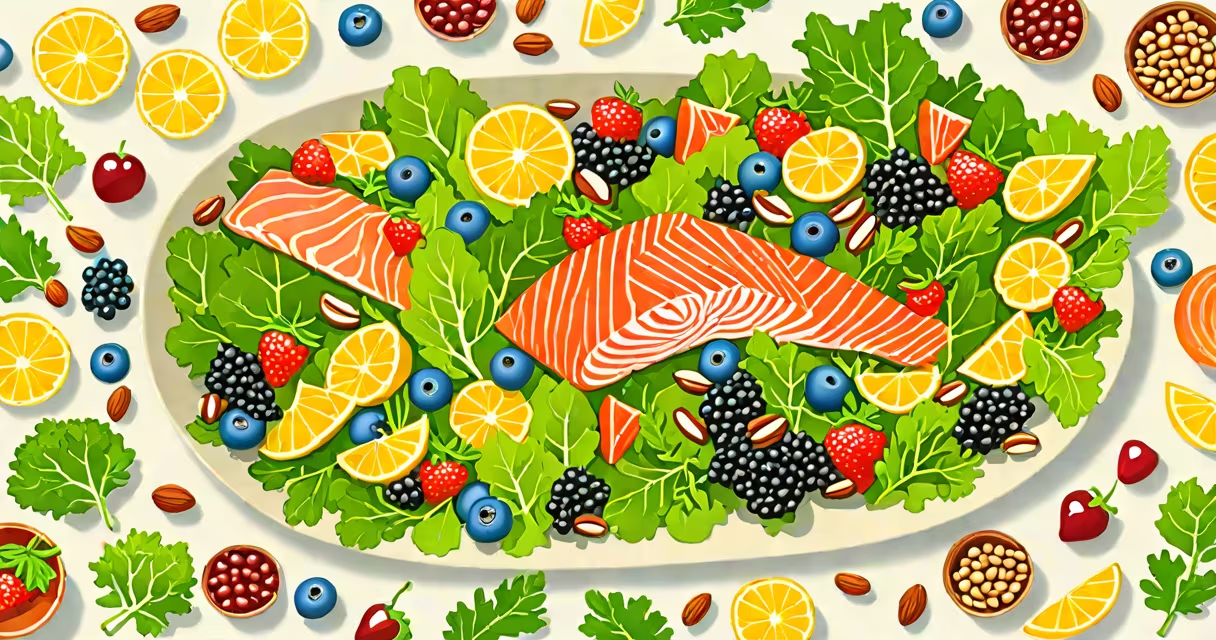
A healthy heart diet focuses on nutrient-dense foods that lower cholesterol, regulate blood pressure, and reduce inflammation to prevent cardiovascular disease. It emphasizes vegetables, fruits, whole grains, legumes, nuts, seeds, fatty fish, and healthy oils while limiting saturated fat, sodium, added sugars, and ultra-processed foods.
This dietary pattern is backed by clinical trials and population studies. The PREDIMED trial, published in The New England Journal of Medicine, showed that a Mediterranean-style diet rich in olive oil and nuts reduced major cardiovascular events by 30% compared to a low-fat control group. The American Heart Association recommends this approach as a primary prevention strategy for heart disease.
Heart health isn't about restriction-it's about building meals around protective nutrients. A typical day includes oatmeal with walnuts and blueberries for breakfast, a salad with grilled salmon and mixed greens for lunch, and baked cod with quinoa and steamed broccoli for dinner. These choices deliver fiber, omega-3 fatty acids, potassium, and antioxidants-all linked to improved arterial function and lower triglycerides.
Whole grains like oats, barley, and brown rice provide soluble fiber, which binds bile acids in the gut and lowers LDL ("bad") cholesterol. Consuming 5-10 grams of soluble fiber daily-about 1.5 cups of cooked oats-can reduce LDL by 5-10% over six weeks, according to a meta-analysis in the journal Clinical Nutrition.
Fatty fish such as salmon, mackerel, and sardines supply EPA and DHA, omega-3 fatty acids that reduce triglyceride levels and decrease the risk of arrhythmias. Eating two servings per week (about 3.5 ounces each) is associated with a 15% lower risk of sudden cardiac death, per research from the Harvard School of Public Health.
Plant-based foods offer polyphenols and phytosterols that improve endothelial function-the ability of blood vessels to dilate and contract properly. A study in Frontiers in Nutrition found that individuals consuming five or more servings of vegetables daily had a 20% lower incidence of coronary artery calcification over ten years.
While "healthy heart diet" is a broad term, several evidence-based patterns fall under it. The most studied include the Mediterranean, DASH, and plant-based diets.
| Diet Type | Key Foods | Proven Benefits | Limitations |
|---|---|---|---|
| Mediterranean | Olive oil, nuts, fish, vegetables, legumes | 30% lower risk of heart attack and stroke (PREDIMED trial) | Higher calorie density; may require portion control |
| DASH | Low-sodium foods, fruits, vegetables, low-fat dairy | Reduces systolic BP by 11 mmHg in hypertensive adults (NIH studies) | Less emphasis on plant protein; may lack omega-3s |
| Plant-Based | Beans, lentils, whole grains, vegetables, fruits | Improves insulin sensitivity and lowers LDL by 15-20% | Requires planning to meet B12 and iron needs |
The Mediterranean diet stands out for long-term adherence and mortality reduction. A 2023 review in European Heart Journal confirmed that populations following this model had a 25% lower all-cause mortality rate over 15 years compared to Western diets.
Healthcare providers recommend a healthy heart diet to patients with hypertension, high cholesterol, prediabetes, or a family history of heart disease. It's also used in clinical settings to manage metabolic syndrome-a cluster of conditions including abdominal obesity, elevated blood pressure, and insulin resistance.
For example, a 58-year-old man with a history of mild hypertension and a 10-year Framingham Risk Score of 18% (indicating moderate risk of heart attack) was advised to adopt a Mediterranean-style diet. After six months, his LDL dropped from 145 mg/dL to 110 mg/dL, systolic blood pressure fell from 142 to 126 mmHg, and he lost 12 pounds without calorie counting.
It's not just for treatment-it's preventative. The Nurses' Health Study II tracked over 70,000 women and found those who adhered closely to a healthy heart diet had a 40% lower risk of developing heart failure over 20 years.
Many assume a healthy heart diet means eating only salads or giving up meat entirely. That's incorrect. The focus is on food quality and balance-not elimination. A healthy heart diet includes lean poultry, eggs, and occasional red meat in small portions (no more than 3 ounces twice weekly).
Another myth is that all fats are bad. Saturated fats from butter and processed meats increase LDL and are linked to higher cardiovascular risk. But monounsaturated and polyunsaturated fats-found in avocados, olive oil, and fatty fish-improve HDL ("good") cholesterol and reduce inflammation.
There's also confusion between "heart-healthy" and "low-carb." While ketogenic diets can improve triglycerides and insulin sensitivity in some people, they often raise LDL and may increase long-term cardiovascular risk. A 2022 study in JAMA Internal Medicine found that low-carb diets were associated with a 14% higher risk of cardiovascular death over 15 years compared to balanced diets.
One non-obvious fact: cooking methods matter. Boiling or steaming vegetables preserves more antioxidants than frying. A 2021 study in Nutrients showed that boiling broccoli retained 90% of its glucosinolates-compounds linked to reduced cancer and heart disease risk-while frying destroyed over half.
Consider Maria, a 45-year-old office worker with borderline high cholesterol (total cholesterol 220 mg/dL, LDL 140 mg/dL). Her doctor recommended a healthy heart diet. She replaced her usual breakfast of bagels with cream cheese and orange juice with steel-cut oats topped with chia seeds, almonds, and strawberries.
For lunch, she swapped her deli sandwich with mayonnaise for a quinoa bowl with roasted sweet potatoes, black beans, corn, red onion, cilantro, lime juice, and avocado. Dinner became baked trout with sautéed kale and wild rice.
After four months, her LDL dropped to 105 mg/dL, her HDL rose from 48 to 58 mg/dL, and she reported increased energy and better sleep. She didn't count calories or track macros-she simply prioritized whole, minimally processed ingredients.
She also learned to read labels. She stopped buying breads with "enriched flour," "high-fructose corn syrup," or "partially hydrogenated oils"-all linked to higher cardiovascular risk in long-term studies.
A healthy heart diet is not a fad or a temporary fix. It's a sustainable, science-backed way to support lifelong cardiovascular wellness. It doesn't require expensive supplements or strict meal plans. Instead, it relies on consistent choices: filling half your plate with vegetables, choosing whole grains over refined ones, and using olive oil instead of butter.
If you're considering a shift toward a healthier eating pattern, start with one change: swap one processed snack for a piece of fruit and a handful of nuts. Over time, these small shifts compound into measurable improvements in heart health.