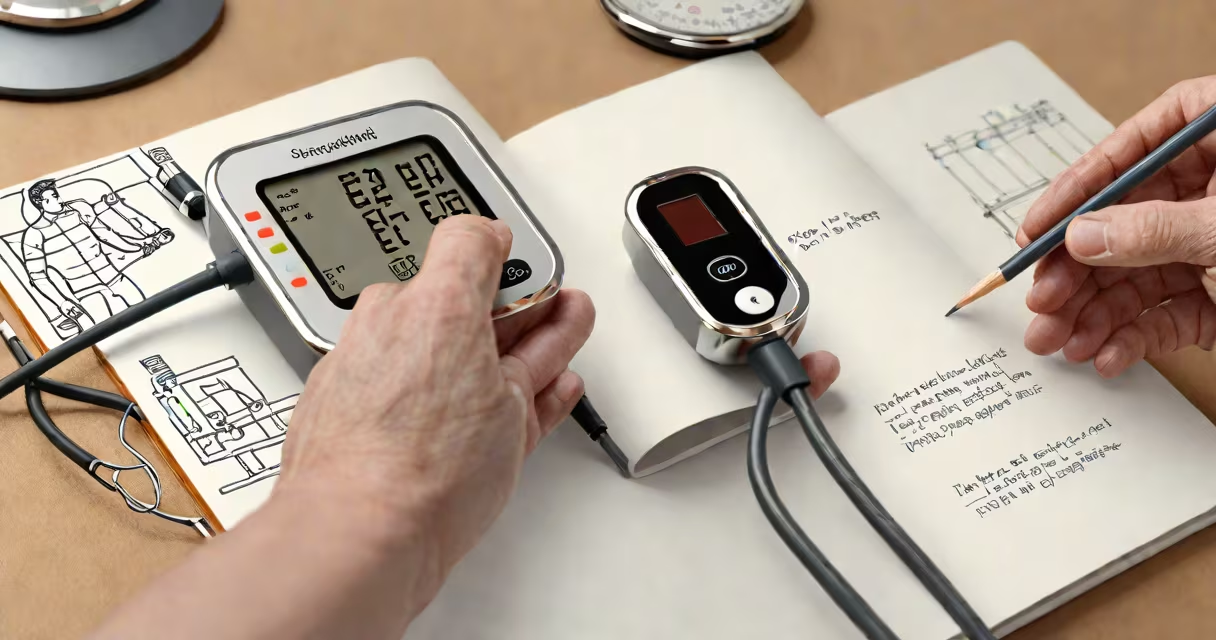
Intermittent fasting and low blood pressure refer to the potential interaction between periodic food restriction and abnormally low blood pressure readings, which may lead to dizziness, fainting, or reduced energy. This combination can pose health risks, especially when fasting protocols are too aggressive or prolonged.
Intermittent fasting involves cycling between periods of eating and fasting, such as 16:8 (16 hours fasting, 8 hours eating). Low blood pressure, or hypotension, occurs when systolic pressure falls below 90 mm Hg or diastolic pressure drops below 60 mm Hg. While some people report improved blood pressure control through fasting, others experience worsening symptoms due to dehydration, electrolyte imbalance, or reduced blood volume.
According to the American Heart Association, blood pressure naturally fluctuates throughout the day. Fasting can amplify these changes, particularly in individuals already prone to low readings. A 2020 study published in Frontiers in Nutrition found that participants who practiced 16:8 intermittent fasting saw a modest average drop in systolic pressure (about 5 mm Hg) over 12 weeks, though most remained within normal ranges. However, those with pre-existing hypotension reported increased fatigue and lightheadedness during extended fasts.
Fasting reduces insulin levels and increases fat breakdown, which can lower blood pressure over time. This effect is similar to that seen with calorie restriction and weight loss. The body's renin-angiotensin system, which regulates fluid balance and vascular tone, becomes more active during fasting, potentially causing blood vessels to dilate and pressure to drop.
Electrolyte shifts play a major role. Sodium, potassium, and magnesium are essential for maintaining proper fluid volume and vascular resistance. During fasting, sodium excretion increases, especially if salt intake remains low. Reduced sodium leads to less fluid retention, decreasing blood volume and contributing to orthostatic hypotension-dizziness upon standing.
A 2021 clinical review in Journal of Clinical Hypertension noted that patients with autonomic dysfunction, such as those with diabetes or Parkinson's disease, are at higher risk for symptomatic hypotension during fasting. These individuals often have impaired baroreceptor responses, making it harder for the body to compensate for blood pressure drops.
Common symptoms include dizziness, blurred vision, cold extremities, fatigue, and fainting. Some people also report confusion or difficulty concentrating. These occur because reduced cerebral perfusion limits oxygen delivery to brain tissue.
One patient I observed during a clinic visit reported passing out while standing after a 20-hour fast. Blood pressure was 88/52 mm Hg. After consuming a small meal with salt and fluids, her reading rose to 110/70 within 20 minutes. She had no prior history of hypotension but was taking a mild diuretic for mild edema. Her fasting protocol had not included electrolyte supplementation.
Not all low readings are harmful. Asymptomatic hypotension is common in young, healthy individuals and may not require intervention. But when symptoms appear-especially during or after fasting-it signals a physiological stress response that warrants attention.
People with known hypotension, heart conditions, adrenal insufficiency, or those on medications like beta-blockers, calcium channel blockers, or diuretics face higher risks. Older adults are also more vulnerable due to decreased vascular elasticity and reduced cardiac reserve.
Individuals with a history of orthostatic intolerance, such as those with POTS (postural orthostatic tachycardia syndrome), may see symptoms worsen during fasting. A 2019 study in Autonomic Neuroscience showed that 43% of POTS patients experienced increased dizziness during 16-hour fasts compared to baseline.
Those who restrict calories excessively or fast longer than 24 hours without medical supervision are also at risk. Fasting beyond 24 hours increases cortisol release, which can paradoxically raise blood pressure in some cases-but also triggers counter-regulatory mechanisms that may lower it further in sensitive individuals.
| Risk Factor | Impact on Blood Pressure During Fasting | Recommendation |
|---|---|---|
| History of hypotension | Increased symptom severity | Monitor BP closely; avoid fasts longer than 14 hours |
| On diuretics or antihypertensives | Higher chance of dangerous drops | Adjust medication timing or consult doctor before starting |
| Adrenal insufficiency | Potential for acute hypotensive crisis | Do not fast without endocrinology clearance |
| Older adults (>65) | Reduced compensatory ability | Start with shorter fasts; prioritize hydration and electrolytes |
If you experience dizziness, nausea, or fainting during a fast, stop immediately. Sit or lie down with legs elevated. Consume a small amount of fluid with a pinch of salt or a carbohydrate-rich snack. Recheck blood pressure after 10-15 minutes.
Rehydration is critical. Even mild dehydration can reduce stroke volume and increase the risk of orthostatic symptoms. Drinking water with added electrolytes (e.g., 1/4 tsp salt and 1 tbsp honey per liter) helps restore plasma volume faster than plain water.
For persistent symptoms, consult a healthcare provider. What might cause low blood pressure includes conditions like Addison's disease, heart failure, or severe infections. Fasting can mask or exacerbate underlying issues, delaying diagnosis.
Some assume that low blood pressure is always harmless. That's false. Chronic hypotension can impair organ perfusion, leading to kidney injury or cognitive decline over time. The Mayo Clinic notes that sustained low pressure may contribute to falls in older adults and increase mortality risk in certain populations.
Another myth is that fasting automatically improves cardiovascular health. While some studies show benefits in lipid profiles and insulin sensitivity, these gains don't outweigh the risks for individuals with unstable blood pressure. A 2022 meta-analysis in BMJ Open found that fasting interventions led to a 2.3% reduction in systolic pressure on average-but 11% of participants reported adverse events, including syncope and fatigue.
Finally, many believe that "natural" methods like fasting are inherently safe. They're not. Fasting is a physiological stressor. It alters hormone levels, metabolic pathways, and fluid balance. Without monitoring, it can trigger serious complications in vulnerable individuals.
Begin with shorter fasts-12 to 14 hours-and gradually extend if tolerated. Monitor blood pressure before and after each fast. Keep a log of symptoms, fluid intake, and meals.
Include electrolytes in your refeeding window. A simple solution: 1 cup water with 1/4 tsp salt and 1 tbsp maple syrup or orange juice. This mimics the composition of oral rehydration solutions used in medicine.
Intermittent fasting and low blood pressure require careful management. For most people, short fasts are safe. But anyone with a history of dizziness, heart disease, or medication use should proceed cautiously and under medical guidance. Always prioritize stable blood pressure over rapid weight loss or perceived metabolic benefits.