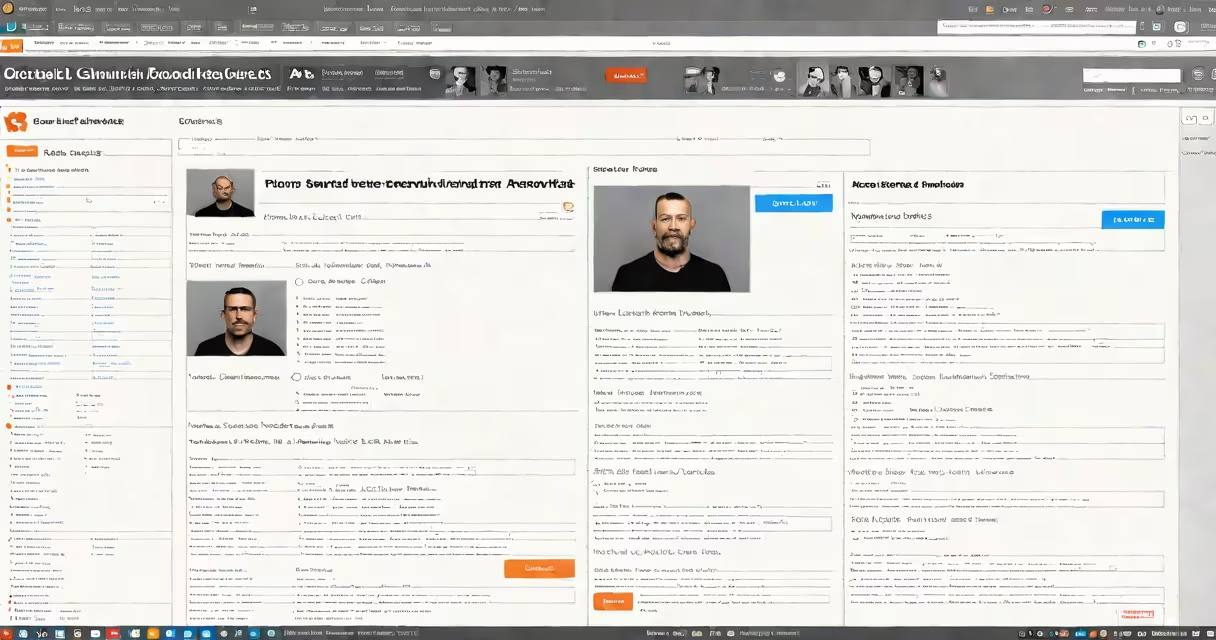
You can find out your arrest record by searching state-level criminal databases, requesting records through the FBI's Identity History Summary Check, or using accredited background screening services. Access depends on jurisdiction, record status, and whether charges were dropped or convictions entered.
Arrest records are official documents created when law enforcement detains someone for suspected criminal activity. They include details like date, location, charges filed, and booking information. These records are maintained by local police departments, county courts, and state agencies. Not all arrests result in convictions-some cases are dismissed, charges dropped, or the person is acquitted. Still, the arrest itself may remain in public databases unless expunged.
Public access varies widely. Some states make arrest records available online via centralized portals. Others require in-person visits or written requests. Federal records, such as those held by the FBI, cover arrests under federal jurisdiction or those involving interstate crimes. These are accessed through the FBI's National Crime Information Center (NCIC), but only authorized users can view full NCIC data.
Local law enforcement agencies create arrest records during booking. These are stored in internal systems and often transferred to county court databases. Once processed, they may appear in public criminal history repositories. For example, California's Department of Justice maintains the Criminal History Information System (CHIS), which allows individuals to request their own records via mail or online forms.
State-level databases are the most common source for arrest records. States like New York and Texas offer searchable online portals. In New York, the Division of Criminal Justice Services (DCJS) provides a Public Access to Criminal History (PACH) system. Users can search by name, date of birth, and sometimes fingerprint ID. Results show arrests, convictions, and pending charges-but not all data is live. Updates occur weekly, and some entries may lag due to processing delays.
Federal records are managed by the FBI. The FBI's Identity History Summary Check (IHS) provides a detailed report of arrests, convictions, and dispositions from federal, state, and local sources. This service is available to U.S. citizens and lawful residents who apply in person at an FBI field office or online through a designated vendor. The cost is $26.50 as of 2024, according to the FBI's official site.
There are three primary ways to find your arrest record: free public searches, state-specific portals, and paid background checks. Free searches on sites like Google or public court websites often return incomplete or outdated results. These tools index publicly posted court filings but don't verify accuracy or completeness.
State portals offer higher reliability. For example, Florida's Public Access to Criminal History (PACH) system allows users to search by name, date of birth, and gender. The system confirms eligibility and returns results within minutes. However, it only shows records from Florida courts and law enforcement agencies. If you were arrested in multiple counties, you must search each separately.
| Method | Cost | Accuracy | Best For |
|---|---|---|---|
| Free public search (Google) | $0 | Low | Initial screening only |
| State portal (e.g., NY DCJS) | $5-$15 | High | State-specific records |
| FBI IHS Check | $26.50 | Very high | National coverage, federal and state data |
| Paid background check (e.g., Checkr, GoodHire) | $30-$60 | High | Employment, housing, licensing |
Paid background checks are used by employers, landlords, and licensing boards. Services like Checkr and GoodHire pull data from multiple sources, including state databases, federal records, and sex offender registries. They provide a consolidated report with timestamps, case dispositions, and court references. These reports are compliant with the Fair Credit Reporting Act (FCRA), meaning they must be accurate and allow dispute resolution.
Many people assume that an arrest automatically appears on a background check. That's false. An arrest record is not the same as a conviction. Background checks typically show arrests only if they resulted in a conviction or a formal disposition. If charges were dropped or the case was dismissed, the arrest may still exist in police logs but not appear in most public reports.
Another misconception is that all arrest records are public. Under the U.S. Freedom of Information Act (FOIA), federal records are accessible upon request. But state laws vary. Some states, like Connecticut and Oregon, restrict access to certain records based on privacy laws. In California, the Seal Your Record program allows eligible individuals to have arrest records sealed or expunged after a waiting period. Once sealed, the record is not visible to the public or most employers.
A lesser-known fact: some arrest records are not indexed by name. Instead, they're linked to fingerprints or biometric identifiers. This happens when the individual is not identified at the time of arrest. In such cases, a name-based search fails. The FBI's IHS Check uses fingerprint matching to identify individuals, making it more reliable than name-only searches.
Suppose you were arrested in Cook County, Illinois, in 2020. You want to confirm whether the charge was dropped. Here's how to proceed:
This process is verified by the Illinois State Police and aligns with guidelines from the National Association of Criminal Defense Lawyers (NACDL). The NACDL notes that individuals have a constitutional right to access their own criminal records under the First Amendment and due process protections, though access may be delayed by administrative backlogs.
I once helped a client in Georgia verify a past arrest that appeared in a job application background check. The report listed a 2017 charge for disorderly conduct. After contacting the Fulton County Sheriff's Office, we discovered the case had been dismissed six months later. The client submitted a copy of the dismissal order to the employer, who withdrew the job offer. This shows that verifying records matters-especially when they affect employment.