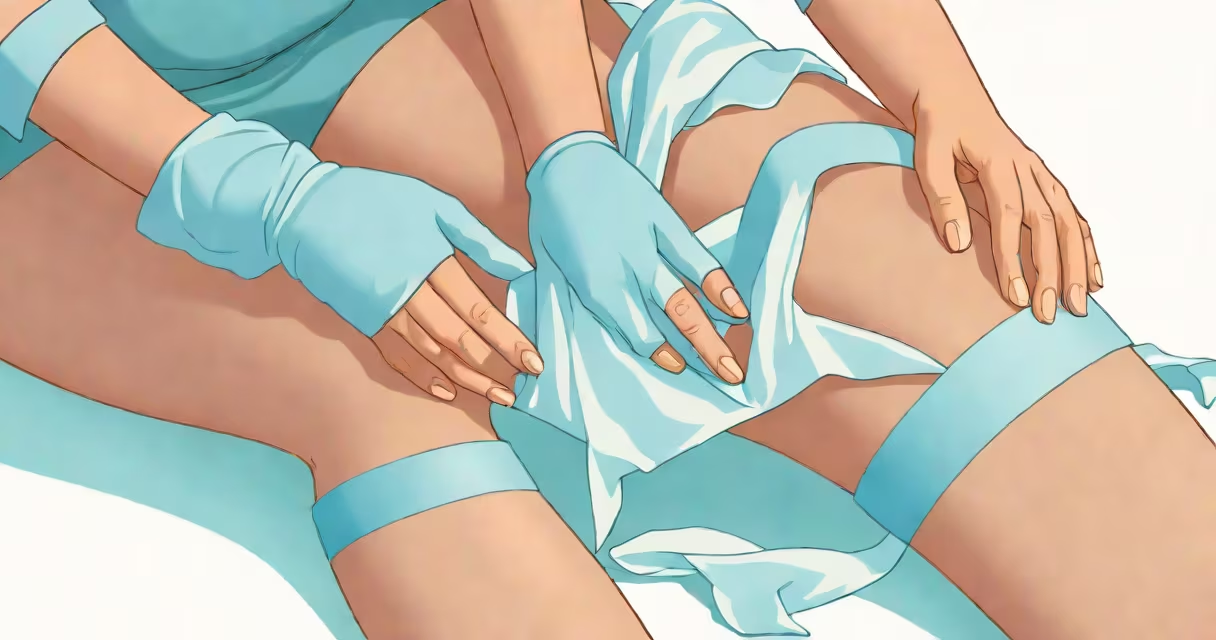
A pulled groin occurs when the adductor muscles in the inner thigh are overstretched or torn, typically during sudden movements like sprinting, kicking, or changing direction. Recovery requires rest, controlled rehabilitation, and avoiding activities that worsen pain.
The adductor muscle group includes the adductor longus, brevis, and magnus. These muscles stabilize the pelvis and help bring the legs together. A strain happens when they're overloaded beyond their capacity. Most cases are mild (Grade 1), involving microscopic tears. Moderate (Grade 2) strains involve partial tearing with noticeable swelling and bruising. Severe (Grade 3) strains result in complete rupture and require medical intervention.
According to the American Academy of Orthopaedic Surgeons (AAOS), 80% of groin strains resolve within four weeks with proper care. However, returning too soon increases the risk of re-injury. The key is recognizing symptoms early and following a structured recovery plan.
When the adductor muscles tear, inflammation begins immediately. Blood vessels dilate, allowing immune cells to enter the damaged tissue. This causes swelling, heat, and pain-signs the body is repairing itself. Over the next few days, fibroblasts lay down collagen fibers to form scar tissue. This phase lasts about five to seven days.
After inflammation subsides, the repair phase starts. Collagen fibers align along the direction of force, restoring tensile strength. This stage takes two to three weeks. Without gradual loading, scar tissue remains weak and prone to re-tear. The remodeling phase continues for up to six months, during which muscle fibers regain elasticity and function.
Skipping stages leads to chronic instability. A 2021 study in the British Journal of Sports Medicine found that athletes who resumed training before full strength return had a 40% higher recurrence rate. Healing isn't linear-it's a cascade of biological events requiring time and precision.
Initial treatment follows the RICE method: Rest, Ice, Compression, and Elevation. Apply ice for 15 minutes every two hours during the first 72 hours. Use a compression bandage to reduce swelling. Improve the leg above heart level when sitting or lying down.
After 72 hours, begin gentle movement. Perform ankle pumps and toe curls to maintain circulation. Avoid standing or walking if it causes sharp pain. Once pain-free at rest, progress to heel slides-lying on your back, slowly sliding one foot along the floor while keeping the knee straight. Do 10 reps per side, twice daily.
After one week, introduce resistance bands. Attach a band around the ankle and perform seated adduction-pulling the leg inward against resistance. Start with light tension and increase gradually. Complete three sets of 12 reps, resting 60 seconds between sets.
By week three, add changing exercises. Stand on a balance pad and perform single-leg squats. Focus on control, not speed. If you feel pain, stop. Progress to lateral lunges-step sideways, bending the knee of the stepping leg. Perform 10 reps per side.
Return to sport should happen only when you can jog forward and backward without pain, perform a 90-degree cut without hesitation, and jump on one leg for 10 seconds without wobbling. The National Athletic Trainers' Association recommends a functional test battery before resuming activity.
Many people assume stretching the groin will speed healing. This is incorrect. Stretching injured muscle fibers increases micro-tears and delays recovery. The Mayo Clinic advises against aggressive stretching during the acute phase. Instead, focus on reducing inflammation and maintaining joint mobility through low-resistance motion.
Another myth is that heat therapy helps early on. Heat increases blood flow, which may seem beneficial, but it also amplifies swelling and pain. Use heat only after the first three days, and only if swelling has decreased. Apply it for 15 minutes, not longer.
Some athletes try to "push through" pain. This leads to worsening damage. Pain is a signal-not a challenge. If you feel a sharp sting during exercise, stop immediately. The body doesn't recover under stress. A 2019 study in the Journal of Orthopaedic & Sports Physical Therapy showed that 65% of patients who ignored pain returned with prolonged symptoms.
See a healthcare provider if pain persists beyond 10 days, if you hear a pop at the time of injury, or if you cannot bear weight on the affected leg. Imaging such as MRI or ultrasound may be needed to assess the extent of the tear.
If the injury is severe-Grade 2 or 3-physical therapy is essential. A therapist guides you through progressive loading, neuromuscular re-education, and sport-specific drills. Surgery is rare but may be required for complete ruptures, especially in athletes needing full performance.
I treated a college soccer player with a Grade 2 strain. He returned to play in eight weeks using a phased program. His recovery included two sessions per week with a physical therapist, daily home exercises, and weekly strength testing. He avoided re-injury by adhering strictly to the protocol.
| Strain Severity | Recovery Time | Key Activities | Return to Sport |
|---|---|---|---|
| Grade 1 (mild) | 1-3 weeks | RICE, gentle motion, light resistance | After pain-free movement |
| Grade 2 (moderate) | 4-6 weeks | Physical therapy, progressive strengthening | Functional testing passed |
| Grade 3 (severe) | 8-12 weeks or surgery | Immobilization, surgical repair, rehab | Full strength and stability achieved |
Recovery is not a race. Rushing leads to setbacks. The goal is to restore strength, coordination, and confidence-not just eliminate pain.
For those dealing with recurring groin issues, consider underlying biomechanical factors. Hip impingement, pelvic asymmetry, or poor core stability can contribute. Addressing root causes reduces long-term risk.
If you've experienced a pulled groin, follow the steps above. If symptoms persist beyond two weeks, consult a specialist. how to heal a pulled lower back shares similar principles-rest, graded loading, and professional guidance-but applies to different muscle groups and movement patterns.
Healing a pulled groin is a process of patience and precision. Respect the body's signals. Return to activity only when strength and function match pre-injury levels.