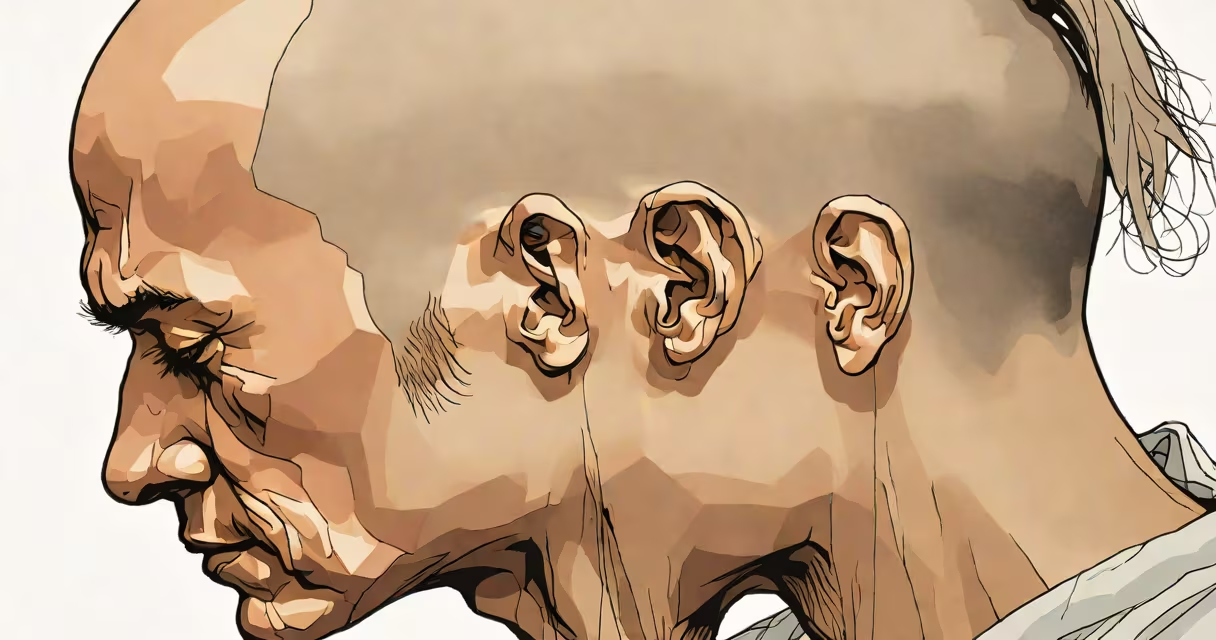
You're losing hair if you notice increased shedding-more than 100 strands daily-or visible thinning on the crown, temples, or part line. This can signal a change in your hair cycle, hormonal balance, or underlying health condition.
Hair loss begins when follicles shrink, produce finer strands, or stop growing entirely. Most people lose 50 to 100 hairs daily during normal shedding. If you see clumps in your brush, on your pillow, or in the shower drain, especially after washing, that's a red flag. A single strand pulled out with a white bulb at the root indicates it was in the resting phase-normal turnover-but multiple bulbs suggest accelerated shedding.
Check your scalp in good light. Look for widening part lines, receding hairlines, or exposed skin on the forehead or crown. Men often develop a horseshoe pattern around the sides, while women typically thin evenly across the top. Use a mirror or take photos weekly to track changes. If you notice sudden changes, especially with stress, illness, or childbirth, consult a dermatologist.
Not all hair loss looks the same. The most common forms include androgenetic alopecia (male or female pattern baldness), telogen effluvium (stress-related shedding), and alopecia areata (autoimmune patchy loss).
Androgenetic alopecia affects about 50% of men by age 50 and 30% of women by age 65. It starts with gradual thinning at the temples and crown, progressing to partial or complete baldness. Men often see a receding hairline forming an M-shape. Women usually notice thinning at the center part, with a widened part line but preserved frontal hairline.
Telogen effluvium occurs when stress pushes many follicles into resting phase. This leads to sudden shedding 2-4 months after trauma-like surgery, severe infection, crash dieting, or childbirth. You may lose 300-500 hairs daily. Shedding stops once the trigger resolves, but regrowth takes 6-12 months.
Alopecia areata causes round patches of complete hair loss. It's autoimmune-your immune system attacks follicles. Patches grow rapidly, sometimes within days. Up to 15% of cases progress to alopecia totalis (all scalp hair loss) or universalis (entire body hair loss). It often appears in young adults and can recur.
| Type | Onset | Appearance | Recovery Time |
|---|---|---|---|
| Androgenetic alopecia | Gradual, over years | Thinning at crown/temples; receding hairline | Months to years; often permanent without treatment |
| Telogen effluvium | Sudden, 2-4 months post-event | Generalized thinning; increased shedding | 6-12 months after cause resolves |
| Alopecia areata | Acute, days to weeks | Patchy bald spots; smooth, shiny skin | Variable; some recover in months, others relapse |
If you've lost more than 100 hairs daily for over three weeks, or if you see bald patches, consult a dermatologist. Blood tests can rule out thyroid disease, iron deficiency, or vitamin D insufficiency-common contributors.
One study found that 30% of women with unexplained hair loss had low serum ferritin (<30 ng/mL), even without anemia. Another showed that 25% of men with early balding had elevated dihydrotestosterone (DHT) levels. These findings support testing before assuming genetics are solely responsible.
I once saw a patient who reported losing half her ponytail in the shower. She'd recently switched birth control pills and stopped taking prenatal vitamins. Blood work revealed low iron and vitamin B12. After supplementation, she regained 70% of her volume in six months. This case shows that treatable factors often underlie apparent genetic patterns.
Many assume hair loss only affects men. But women account for nearly 40% of adult hair loss cases. Female pattern hair loss often goes undiagnosed because it progresses slowly and lacks dramatic symptoms.
Another myth: "Shampooing causes hair loss." Washing doesn't damage follicles. Daily shampooing removes shed hairs, making loss seem worse. In reality, shampooing cleanses the scalp and prevents clogged follicles. Use mild shampoos and avoid harsh scrubs.
Some think hair loss is inevitable. While genetics play a role, early intervention can slow progression. FDA-approved treatments like minoxidil (topical) and finasteride (oral) reduce hair loss in 60-70% of users after six months. They don't reverse baldness but can maintain existing hair.
Track shedding by collecting hairs in a clear container for 24 hours. Count them. If you see more than 100, schedule a visit. Take photos monthly to compare.
For temporary shedding due to stress or illness, recovery is likely. But if thinning persists beyond four months, consider evaluation. Treatments vary: topical minoxidil (2% or 5%), oral finasteride (1 mg/day), or low-level laser therapy (LLLT) devices. LLLT devices show modest improvement-about 15% increase in density after 26 weeks in clinical trials.
Early detection gives you time to respond. Recognizing the signs-increased shedding, visible thinning, or bald patches-means you can act before irreversible loss occurs. Know your hair's baseline, monitor changes, and seek care when needed.