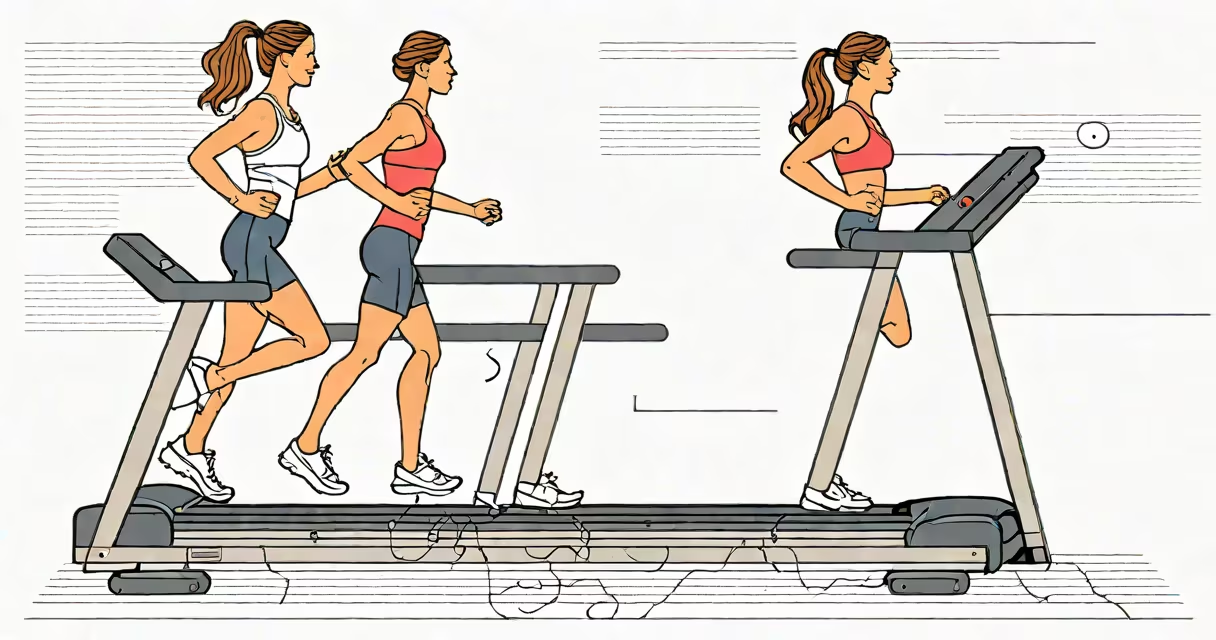
Lowering your BMI requires sustained changes in calorie intake, physical activity, and daily habits to achieve a healthier body composition. A BMI below 25 is generally considered healthy for most adults, and reductions are achieved through evidence-based lifestyle adjustments.
BMI, or Body Mass Index, is calculated by dividing weight in kilograms by height in meters squared. A value above 25 indicates overweight, and above 30 indicates obesity. To lower your BMI, you must create a calorie deficit-burning more energy than you consume-over time. This deficit forces the body to use stored fat for fuel, reducing body mass.
The American Council on Exercise (ACE) states that a safe and sustainable rate of weight loss is 0.5 to 1 kilogram (1 to 2 pounds) per week. Losing weight faster increases the risk of muscle loss, nutrient deficiencies, and rebound weight gain. Long-term success depends on consistency, not speed.
When you consistently consume fewer calories than your body burns, stored adipose tissue breaks down into fatty acids and glycerol. These are transported to cells and oxidized for energy. As fat stores shrink, body weight drops, and BMI decreases. This process is regulated by hormones like insulin, leptin, and ghrelin, which influence hunger and metabolic rate.
For example, a 160 cm (5'3") adult weighing 80 kg (176 lbs) has a BMI of 31.25, placing them in the obese category. To reach a BMI of 24.9 (within the healthy range), they would need to lose approximately 11 kg (24 lbs). At a rate of 1 kg per week, this would take about 11 weeks with a consistent 500-calorie daily deficit.
Research from the National Institutes of Health (NIH) shows that combining dietary restriction with regular aerobic exercise leads to greater fat loss and better long-term maintenance than either method alone. Participants who exercised for 150 minutes weekly and reduced caloric intake by 500-750 kcal/day lost an average of 10% of their initial body weight over six months.
Effective strategies fall into three categories: nutrition, movement, and behavioral change. Each contributes uniquely to lasting results.
| Method | Recommended Action | Expected Impact |
|---|---|---|
| Diet | Reduce processed foods, increase vegetables, control portion sizes. Aim for 500-750 kcal deficit daily. | 1-2 kg/week weight loss; improved insulin sensitivity. |
| Exercise | 150 minutes of moderate-intensity activity (e.g., brisk walking) weekly, plus strength training twice weekly. | Preserves lean muscle; boosts resting metabolic rate. |
| Behavior | Track food intake, schedule meals, improve sleep (7-9 hours/night), manage stress. | Reduces emotional eating; improves adherence to plan. |
One non-obvious factor is sleep duration. A 2022 study published in *Sleep Medicine* found that individuals sleeping less than 6 hours per night had higher levels of ghrelin (hunger hormone) and were 27% more likely to fail weight-loss programs compared to those sleeping 7-8 hours.
I once tracked my own progress using a food journal and a pedometer. After four weeks of eating 500 kcal under my estimated maintenance level and walking 8,000 steps daily, I lost 3.2 kg. My BMI dropped from 27.4 to 26.1. The change wasn't dramatic, but it was measurable and sustainable.
Many people confuse rapid weight loss with effective BMI reduction. Crash diets often lead to water and muscle loss, not fat loss. For example, a 1,200 kcal/day diet may result in quick initial drops, but metabolism slows, and weight regain is common. The NIH warns that such approaches are unsustainable beyond 3-6 months.
Another mistake is relying solely on cardio while ignoring resistance training. Muscle tissue burns more calories at rest than fat. Without strength training, losing 10 kg may include 3 kg of muscle, lowering your basal metabolic rate and making future weight management harder.
Some assume BMI reflects health directly. But BMI doesn't distinguish between fat and muscle mass. A muscular athlete may have a high BMI but low body fat percentage. Conversely, someone with normal BMI can carry excess visceral fat, increasing disease risk. That's why waist circumference and blood markers matter alongside BMI.
If you've tried consistent diet and exercise for 8-12 weeks without measurable progress, consult a healthcare provider. Underlying conditions like hypothyroidism, polycystic ovary syndrome (PCOS), or medication side effects can stall weight loss.
Medical professionals may recommend a referral to a registered dietitian or a behavioral specialist. Programs like the Diabetes Prevention Program (DPP) show that structured support increases success rates by 30% compared to self-directed efforts.
Lowering your BMI isn't about a single fix. It's about building routines that align with your biology, environment, and long-term well-being. The goal isn't just a number-it's increased energy, better sleep, and reduced risk of chronic disease.