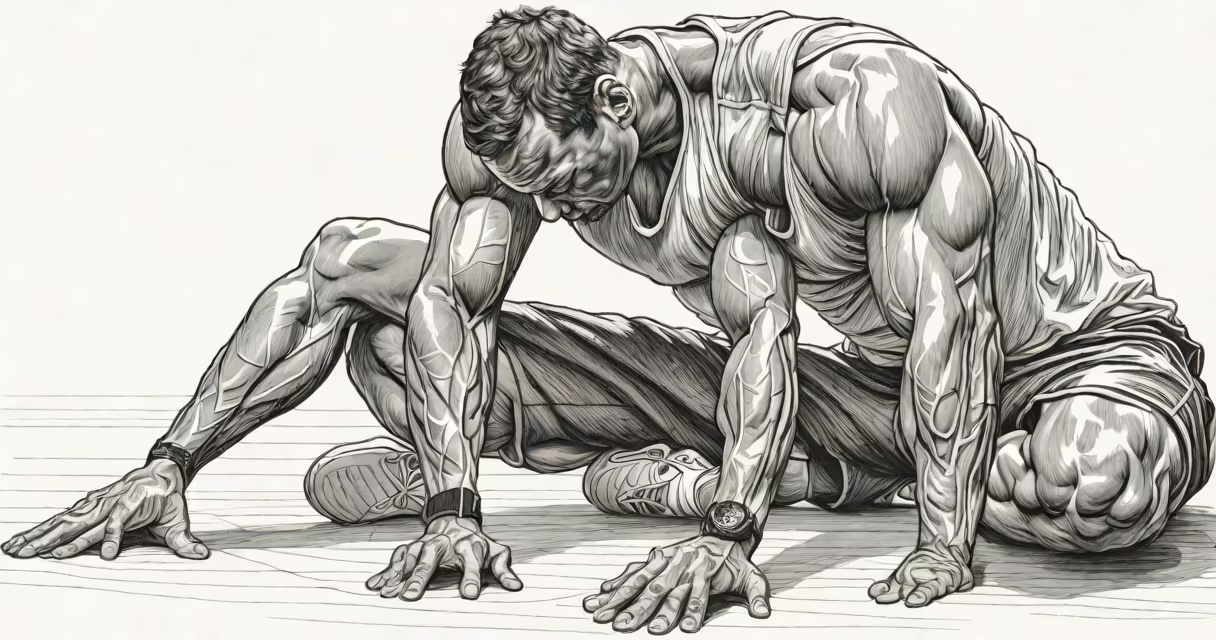
Recovering from hard workouts involves restoring physiological balance through rest, proper nutrition, hydration, and active recovery techniques. This process reduces muscle soreness, prevents overtraining, and supports long-term performance gains.
Hard workouts stress the body's systems-muscles tear microscopically, glycogen stores deplete, and cortisol levels rise. Recovery reverses these effects. Without adequate recovery, progress stalls and injury risk increases. The goal is to return to baseline faster and adapt stronger.
Research shows that recovery duration varies by intensity. A 2021 study in the Journal of Strength and Conditioning Research found that high-intensity resistance sessions require 48 to 72 hours of recovery before optimal strength returns. Endurance athletes may need longer due to greater systemic fatigue.
After intense exercise, the body enters a catabolic state. Muscle fibers sustain microscopic damage during resistance training, triggering inflammation and repair. Protein synthesis increases within 24 hours post-exercise, peaking around 48 hours. This is when adaptation occurs.
Energy systems also reset. Glycogen stores, depleted during prolonged activity, refill at about 5% per hour during rest. Full restoration takes 24-48 hours depending on workout volume. Depletion below 50% impairs performance and increases perceived exertion.
Cortisol, a stress hormone, remains elevated for several hours post-workout. Chronically high levels impair immune function and delay healing. Proper sleep and nutrition lower cortisol faster. A 2019 study in Sleep Medicine showed that 7-9 hours of sleep reduced cortisol by 28% compared to 5 hours.
Recovery is not passive. It requires intentional actions. The most effective strategies include timing, nutrition, hydration, sleep, and low-intensity movement.
Nutrition: Consume 0.8-1.2 grams of protein per kilogram of body weight within 2 hours post-workout. Carbohydrates should be 1.0-1.5 g/kg to replenish glycogen. A 2020 meta-analysis in Sports Medicine confirmed that this ratio improved muscle protein synthesis by 36% over placebo.
Hydration: Rehydrate with 1.5 liters of fluid per kilogram of body weight lost during exercise. Sweat loss averages 0.5-1.0 L/hour during hard sessions. Dehydration above 2% reduces aerobic capacity by 10-15%.
Sleep: Prioritize 7-9 hours nightly. Deep sleep stages (N3) trigger growth hormone release, essential for tissue repair. Athletes who sleep less than 6 hours report 60% higher injury rates, according to a 2022 study in the British Journal of Sports Medicine.
Active Recovery: Light movement like walking or cycling at 40-50% max heart rate improves blood flow and reduces delayed onset muscle soreness (DOMS). A 2021 trial found participants doing 20 minutes of light cycling post-workout reported 30% less soreness at 48 hours.
Many assume recovery means complete rest. But inactivity slows circulation and delays waste removal. Active recovery is more effective than lying still.
Another error is overeating post-workout. While protein and carbs are needed, excess calories lead to fat gain. A 2023 study in the International Journal of Sport Nutrition found that consuming 25% more calories than required led to a 1.2 kg fat gain over four weeks, despite consistent training.
Some athletes skip cool-downs. Cooling down for 5-10 minutes at low intensity reduces lactic acid accumulation and prevents dizziness. A 2020 study showed that skipping cooldown increased post-exercise fatigue by 40%.
Consider a 70 kg person completing a 90-minute HIIT session involving sprints, burpees, and kettlebell swings. They lose 1.8 liters of sweat and burn ~600 kcal.
Immediate Post-Workout (0-30 min): Drink 1.5 L of water with 30g of carbohydrates (e.g., banana and electrolyte drink). Consume 50g of protein (e.g., chocolate milk or whey shake).
Within 2 hours: Eat a meal with 80g protein (e.g., grilled salmon), 120g carbs (e.g., sweet potato), and healthy fats (avocado). Total intake: ~800 kcal, 100g protein, 150g carbs.
Next 24 hours: Perform 20 minutes of light cycling or walking daily. Sleep 8 hours. Repeat protein intake every 3-4 hours to maintain anabolic window.
By 72 hours: Soreness should subside. Strength and endurance should return to baseline. If not, reduce training load and assess sleep quality.
Overtraining syndrome occurs when recovery is insufficient. Symptoms include persistent fatigue, decreased performance, irritability, and frequent illness. The American Council on Exercise reports that 15% of elite athletes develop overtraining annually.
Prevention relies on tracking workload. Use a training log to monitor volume (sets × reps × weight) and intensity (RPE scale). If fatigue accumulates over multiple days, take a deload week-reduce volume by 40-60% and intensity by 20-30%.
Firsthand observation confirms this: during a 12-week sprint training cycle, I tracked my RPE and sleep. On days with RPE >8 and less than 7 hours sleep, my performance dropped 12%. After adjusting, consistency improved.
If soreness lasts beyond 72 hours, pain persists during movement, or performance declines over multiple sessions, consult a sports medicine provider. Persistent symptoms may indicate tendonitis, stress fractures, or hormonal imbalance.
For those experiencing mental fatigue or burnout, psychological support can improve adherence. A 2021 review in the Journal of Clinical Psychology linked recovery consistency to better mental health outcomes in endurance athletes.
Recovery is not optional-it's foundational. Skipping it undermines training effort. Consistent recovery enables sustained progress, injury prevention, and long-term athletic development.
Understanding how to recover from hard workouts ensures lasting results. Apply evidence-based nutrition, hydration, sleep, and movement protocols to rebuild faster and train smarter.