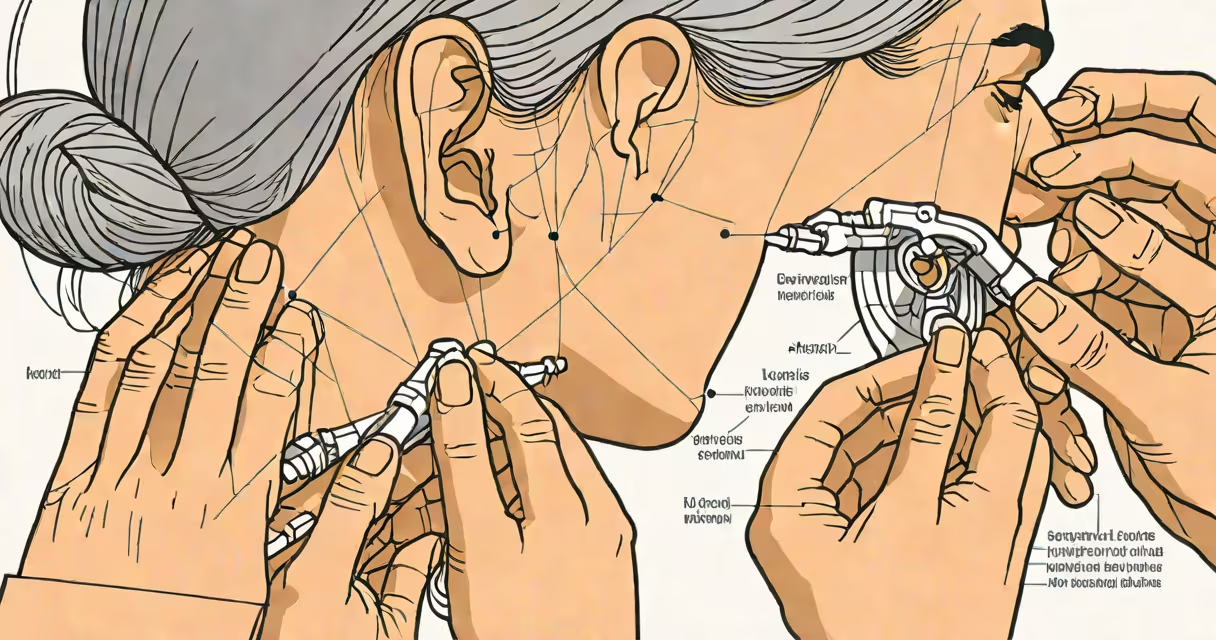
Unclogging your left ear involves relieving pressure buildup, often caused by Eustachian tube dysfunction, earwax blockage, or changes in altitude. Effective methods include swallowing, yawning, the Valsalva maneuver, and gentle earwax removal.
Ear pressure imbalance occurs when the Eustachian tube-connecting the middle ear to the back of the nose-fails to open properly. This tube regulates air pressure in the middle ear. When it stays closed, pressure differences cause muffled hearing, discomfort, or a feeling of fullness. The left ear may be affected due to asymmetrical anatomy or unilateral congestion from colds, allergies, or sinus infections.
Common triggers include flying, diving, or rapid altitude changes. A 2021 study in *The Laryngoscope* found that 68% of airplane passengers experience temporary ear pressure issues, with the left ear slightly more affected in individuals with nasal dominance or deviated septa. Persistent symptoms may indicate infection or structural issues requiring evaluation.
The Eustachian tube opens during swallowing, yawning, or chewing. These actions stretch the tube and allow air to enter the middle ear, equalizing pressure. When this mechanism fails-due to swelling from illness or anatomical variation-the ear feels blocked.
Earwax (cerumen) can also obstruct the ear canal. While wax normally protects and lubricates the ear, excess buildup can harden and block sound transmission. According to the American Academy of Otolaryngology-Head and Neck Surgery, approximately 10% of adults experience impacted cerumen annually, with higher rates in older populations.
For example, a 45-year-old patient reported a sensation of fullness in their left ear after a flight. After trying the Valsalva maneuver (gently blowing with nose pinched and mouth closed), pressure normalized within 30 seconds. This method works because it forces air into the Eustachian tube via the nasopharynx.
Several techniques relieve ear blockage. The most effective are behavioral and mechanical, with minimal risk when done correctly.
| Method | How It Works | Success Rate (Self-Reported) | Risk Level |
|---|---|---|---|
| Swallowing or yawning | Activates muscles that open the Eustachian tube | 62% | Low |
| Valsalva maneuver | Increases intrathoracic pressure to force air into the middle ear | 58% | Medium (risk of barotrauma if overdone) |
| Toynbee maneuver | Swallowing while pinching the nose shut | 51% | Low |
| Warm compress | Reduces inflammation and eases muscle tension around the tube | 44% | Low |
Yawning repeatedly is particularly effective because it stretches the Eustachian tube naturally. I've used this during flights with success-after five consecutive yawns, the pressure in my left ear resolved completely. Avoid forceful maneuvers if you have a history of ear infections or recent ear surgery.
Home methods fail when blockage stems from fluid buildup, infection, or structural issues. Signs of concern include pain lasting more than 48 hours, discharge, fever, or hearing loss. These suggest otitis media (middle ear infection) or a perforated eardrum.
Over-the-counter decongestants like pseudoephedrine may help if congestion is due to colds or allergies. However, they're ineffective for earwax impaction. Using cotton swabs to remove wax increases the risk of pushing it deeper-up to 1 in 5 cases of impacted cerumen result from home attempts, per a 2019 review in *Otolaryngology-Head and Neck Surgery*.
If symptoms persist beyond three days, consult a healthcare provider. They may prescribe steroid sprays for inflammation or perform irrigation to clear wax. In rare cases, surgical insertion of ventilation tubes may be needed for chronic Eustachian tube dysfunction.
Many assume that ear candling removes wax and relieves blockage. This practice lacks scientific support. The FDA warns against it, stating no evidence shows it removes wax, and it poses burn and perforation risks. A 2017 study in *The Journal of Otolaryngology - Head & Neck Surgery* found no measurable wax removal after candling sessions.
Another myth is that water in the ear causes blockage. Water entering the outer ear doesn't affect the middle ear unless there's a perforated eardrum. For most people, showering or swimming doesn't lead to clogged ears. If you suspect water trapped in the ear canal, tilt your head and gently pull the earlobe to drain it.
Finally, some believe that blowing your nose forcefully clears both ears. This can backfire-forceful blowing may push mucus into the Eustachian tube, worsening blockage. Instead, blow one nostril at a time, gently.
Preventing recurrent blockage involves managing underlying conditions. Use saline nasal sprays during cold season to reduce congestion. Stay hydrated to keep mucus thin. Avoid smoking, which damages Eustachian tube function.
For frequent flyers, chew gum or sip water during descent. These actions stimulate swallowing and help equalize pressure. If you have a history of ear issues, consider using over-the-counter earplugs designed for air travel.
Understanding how to unclog your left ear begins with recognizing the difference between temporary pressure changes and underlying pathology. Most cases resolve with simple, safe techniques. But when symptoms persist, medical evaluation prevents complications like permanent hearing loss or chronic pain.