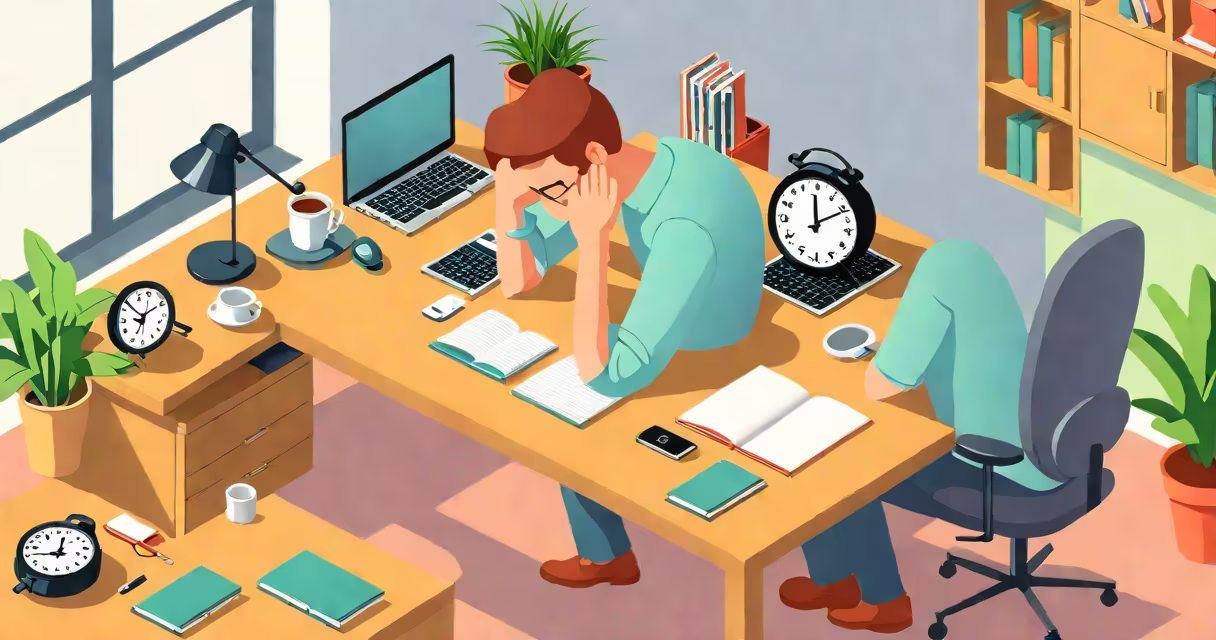
Feeling tired all the time-especially when rest doesn't help-is a persistent sense of physical or mental exhaustion that disrupts daily life. It's not the same as occasional drowsiness and often indicates an underlying medical, psychological, or lifestyle issue.
Tiredness that lasts weeks or months isn't normal. The National Institutes of Health (NIH) defines chronic fatigue as fatigue lasting six months or longer, accompanied by significant functional impairment. This differs from temporary fatigue caused by lack of sleep or stress. When someone says "I feel tired a lot," they're describing a pattern that affects work, relationships, and basic tasks.
Common triggers include poor sleep quality, untreated depression, iron deficiency, thyroid dysfunction, and chronic conditions like diabetes or fibromyalgia. The body signals distress through fatigue long before symptoms become severe. Ignoring it increases risk of burnout, cognitive decline, and worsening of existing diseases.
Energy production in the body relies on mitochondria-tiny power plants in cells that convert food and oxygen into ATP, the molecule that fuels activity. When mitochondrial function declines due to illness, nutrient deficiency, or inflammation, cells struggle to meet energy demands. This leads to systemic fatigue.
The brain's hypothalamus regulates wakefulness and sleep cycles via hormones like cortisol and melatonin. Disruptions in this system-caused by irregular schedules, high stress, or neurological disorders-can result in constant tiredness even after eight hours of sleep. A 2021 study in *Sleep Medicine* found that people with insomnia report higher fatigue levels than those without, even when sleep duration is similar.
When fatigue becomes persistent, it activates the body's stress response. Cortisol remains elevated, suppressing immune function and increasing blood sugar. Over time, this contributes to insulin resistance, weight gain, and mood disturbances-all of which worsen tiredness in a feedback loop.
Fatigue isn't one condition. It falls into categories based on origin:
| Type | Origin | Examples |
|---|---|---|
| Physical | Medical or metabolic | Anemia (low iron), hypothyroidism, diabetes, chronic infections |
| Mental | Emotional or psychological | Depression, anxiety, PTSD, burnout |
| Lifestyle | Behavioral or environmental | Poor diet, dehydration, sedentary habits, screen overuse |
| Neurological | Nervous system dysfunction | Fibromyalgia, multiple sclerosis, long COVID |
Iron deficiency affects nearly 1 in 5 women of reproductive age, according to the CDC. Even mild deficiency reduces oxygen delivery to muscles and brain, leading to early fatigue during routine tasks. A 2022 study in *The American Journal of Clinical Nutrition* showed that correcting iron levels improved energy scores by 37% in deficient individuals within four weeks.
Depression is linked to fatigue in 90% of cases, per the Mayo Clinic. It's not just sadness-it alters neurotransmitters like serotonin and dopamine, which regulate motivation and alertness. People with depression often describe fatigue as "heavy" or "numbing," not just tired.
People often mistake chronic tiredness for laziness or lack of discipline. But fatigue isn't a choice. It's a symptom. Someone who feels tired all the time may still work full-time, care for children, or maintain a household-but with effort that feels unsustainable.
Another misconception is that fatigue equals sleep deprivation. While poor sleep contributes, many people with fatigue get adequate sleep. A 2020 study in *JAMA Internal Medicine* found that 62% of patients with unexplained fatigue reported sleeping 7-9 hours per night. Their issue wasn't quantity-it was quality and recovery.
Some assume fatigue is just "part of aging." That's false. While energy levels naturally decline after age 40, sharp drops in stamina aren't normal. The World Health Organization notes that fatigue in older adults should prompt screening for vitamin B12 deficiency, heart disease, or cancer-conditions that mimic aging but require treatment.
Sarah, 34, worked as a nurse. She slept seven hours nightly but felt drained by noon. She skipped meals, relied on caffeine, and canceled plans. After three months, she visited her doctor. Blood tests revealed hemoglobin of 9.2 g/dL (normal: 12-16), indicating iron-deficiency anemia. Her ferritin level was 12 ng/mL (normal: 15-200).
She started oral iron supplements and increased dietary iron intake-red meat, spinach, lentils. Within six weeks, her hemoglobin rose to 13.1 g/dL. Energy returned. She no longer needed three coffees to start her shift. Her story illustrates how fatigue can stem from a treatable deficiency, even in otherwise healthy individuals.
Not all fatigue resolves with supplements. Some cases require specialist evaluation. If tiredness persists despite lifestyle changes, medical testing is essential.
Consult a healthcare provider if tiredness lasts more than two weeks, interferes with functioning, or includes:
These signs suggest a deeper issue. Early diagnosis improves outcomes. For example, untreated hypothyroidism can lead to heart problems and infertility. Early detection through TSH and free T4 blood tests prevents complications.
Chronic tiredness isn't a sign of weakness. It's a signal. Addressing it early prevents long-term harm and restores vitality.