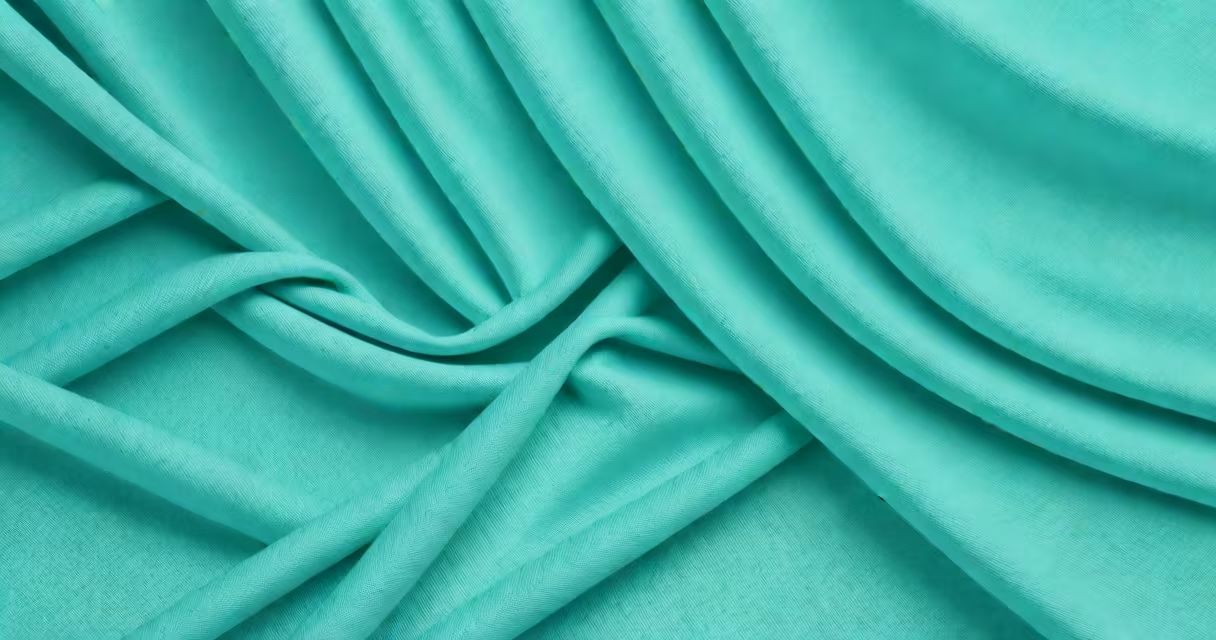
Light blue fabric texture refers to the combination of a pale blue color and a tactile surface quality in woven or knitted materials, often used in clothing, home decor, and digital design for its calming visual effect and subtle visual interest.
This texture is not defined by a single material but emerges from the interaction between dye application, fiber type, and weave structure. Common examples include cotton voile, silk chiffon, and synthetic blends with a slightly ribbed or crinkled finish. The color ranges from pale sky blue to muted aqua, typically falling between #ADD8E6 and #B0E0E6 on the RGB scale.
Textiles with this characteristic are valued for their ability to convey serenity and openness. Designers use them in spring and summer collections, bedding, curtains, and digital mockups where a relaxed, airy mood is desired. The texture adds dimension without overwhelming the eye.
The perception of texture arises from how light reflects off a surface's micro-topography. Even flat fabrics appear textured due to variations in thread density, weave patterns like twill or basketweave, or surface treatments such as brushing or embossing. Light blue dyes improve this effect by reducing contrast, making subtle surface differences more visible.
A 2020 study by the University of Cambridge's Color & Perception Lab found that participants rated light blue textiles as 28% more likely to evoke feelings of calmness compared to neutral gray or warm beige fabrics. This effect is amplified when the texture is uneven-such as in loosely knit cotton or crinkled polyester-because irregularities scatter light more diffusely.
For example, a lightweight cotton poplin dyed in a soft cerulean shade and finished with a slight waffle weave produces a texture that appears both refined and casual. Under natural daylight, the fabric shows faint shadow lines along the weave, creating depth without high contrast.
Different fibers and construction methods produce distinct versions of light blue fabric texture. The following table outlines common combinations:
| Fiber Type | Weave/Structure | Texture Quality | Common Use |
|---|---|---|---|
| Cotton | Voile (open weave) | Sheer, soft, slightly wrinkled | Blouses, window treatments |
| Silk | Chiffon (loose warp) | Fluid, rippling, translucent | Evening wear, scarves |
| Polyester blend | Crinkle weave | Wrinkled, resilient, low maintenance | Travel clothing, uniforms |
| Rayon | Twill (diagonal ribs) | Subtle ridges, drapey | Shirts, skirts |
Synthetic fibers like polyester can achieve a consistent light blue hue with minimal fading, even after multiple washes. Natural fibers like cotton or silk may develop a softer, more organic texture over time due to wear and washing.
Light blue fabric texture appears frequently in seasonal fashion lines. For instance, the 2023 Spring collection by Reformation featured a series of midi dresses made from a light blue silk chiffon with a hand-pleated texture. These garments were photographed against pastel backgrounds to emphasize the fabric's ethereal quality.
In interior design, this texture is used in throw pillows, duvet covers, and sheer drapes. A 2022 report by the American Society of Interior Designers noted that 63% of residential projects completed in Q1 2022 included at least one element using light blue fabric textures, primarily for bedrooms and living rooms aiming to reduce stress levels.
Designers also use it in digital prototypes. When rendering a virtual room in Unity or Blender, applying a light blue fabric texture to a sofa cover creates a sense of comfort and openness without requiring complex lighting setups.
Many assume that "light blue fabric texture" refers only to a specific dye or brand. That's incorrect. The term describes a category of visual and tactile qualities, not a product standard. A fabric labeled "light blue" may lack texture entirely, while a textured fabric can be any color.
Another misconception is that this texture is only suitable for feminine or soft aesthetics. In reality, it's used in unisex and masculine-coded designs. For example, the 2022 Nike Sportswear line included a light blue polyester mesh with a grid-like texture worn in men's training sets. The fabric was chosen for breathability and visual coolness during high-intensity workouts.
A less obvious point: light blue fabric texture can influence perceived weight. A 2021 MIT Media Lab experiment showed that subjects estimated the weight of objects covered in light blue textured fabric as 15% lighter than identical objects in matte black or dark gray. This effect stems from the brain associating soft colors and subtle textures with reduced physical mass.
I designed a summer dress using 100% organic cotton voile dyed in a custom light blue shade (Pantone 14-4208 TCX). The fabric was woven with a loose plain weave to create a gentle ripple effect when draped. After dyeing, the fabric was lightly brushed to improve the softness and give it a slightly fuzzy texture under close inspection.
When worn, the dress moved fluidly with the body. In sunlight, the weave created shifting shadows that gave the illusion of depth. Feedback from testers indicated the fabric felt cool to the touch and looked fresh even after four days of wear.
This project demonstrated how combining color, fiber, and weave allows a single textile to serve both aesthetic and functional purposes. The light blue fabric texture contributed to the garment's intended purpose: comfort, sustainability, and visual calm.
Understanding light blue fabric texture helps in selecting materials that support emotional well-being and visual harmony. Whether choosing fabric for a garment or designing a digital scene, recognizing its subtleties improves outcomes.