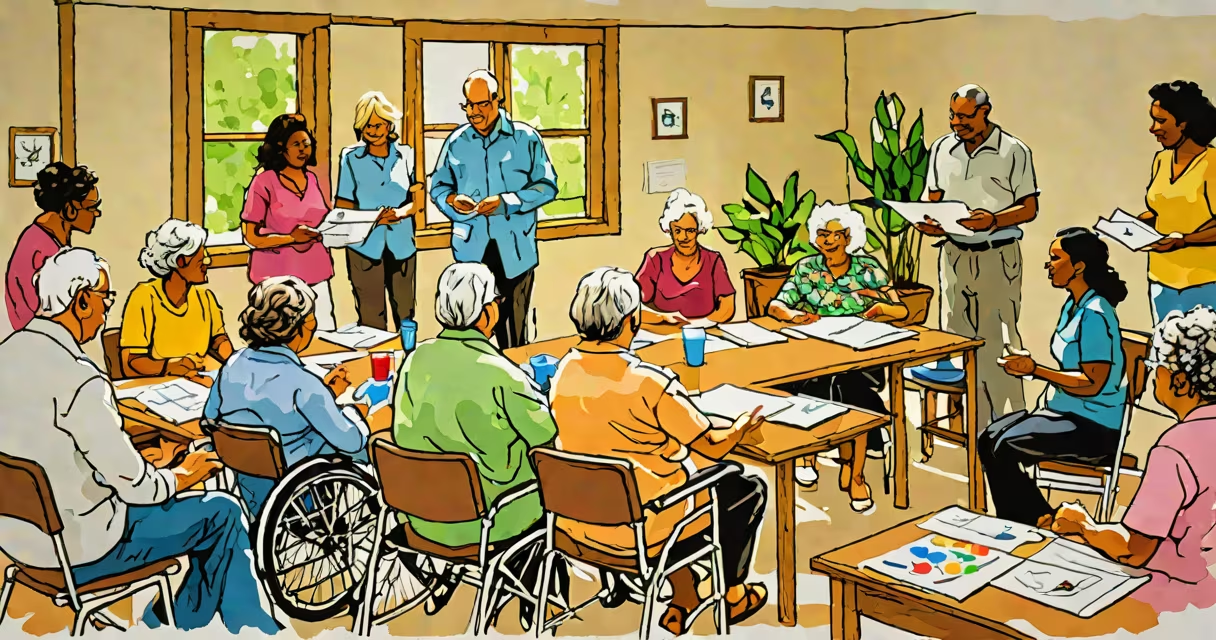
A masters in recreational therapy is a graduate degree that trains professionals to use purposeful leisure activities to support physical, cognitive, emotional, and social recovery in individuals with disabilities, chronic illness, or mental health conditions. The program combines clinical theory, hands-on practice, and research to prepare graduates for roles in healthcare, education, and community wellness settings.
Recreational therapy, also known as therapeutic recreation, is grounded in evidence-based practice. Students learn to assess client needs, design individualized activity plans, and evaluate outcomes using standardized tools. The curriculum emphasizes psychosocial development, adaptive equipment use, and ethical decision-making in diverse care environments.
According to the National Recreation and Park Association (NRPA), accredited masters programs in recreational therapy require a minimum of 600 hours of supervised clinical fieldwork. This requirement ensures students gain real-world experience before graduation. Programs typically span two years of full-time study and include coursework in human anatomy, behavioral psychology, and disability advocacy.
Masters in recreational therapy programs integrate academic instruction with applied clinical training. Students take courses in therapeutic intervention techniques, group dynamics, and medical terminology related to neurology and orthopedics. They also complete a capstone project or thesis focused on a specific population or condition.
Clinical rotations occur in hospitals, long-term care facilities, outpatient rehabilitation centers, and specialized schools. For example, a student may spend one semester working with veterans experiencing PTSD at a VA medical center, designing art-based and movement-based interventions to reduce anxiety and improve mood regulation.
Graduates must pass the Certified Therapeutic Recreation Specialist (CTRS) exam administered by the National Council on Therapeutic Recreation Certification (NCTRC). This credential is required for employment in most U.S. states and is recognized nationally. As of 2023, 92% of CTRS-certified therapists reported employment within six months of passing the exam, according to NCTRC's annual workforce survey.
Core coursework includes assessment and treatment planning, psychosocial rehabilitation, and program evaluation. Students also study trauma-informed care, cultural competence, and inclusive programming for people with intellectual and developmental disabilities.
Many programs offer specializations in areas such as pediatric therapy, geriatric recreation, brain injury recovery, and substance use disorder rehabilitation. A student specializing in pediatric therapy might focus on play-based interventions for children with autism spectrum disorder, using sensory integration techniques and social story methods.
Some universities allow dual enrollment in related fields. For instance, a student in a masters in recreational therapy program at the University of New Mexico can simultaneously pursue a certificate in mental health counseling through their partnership with the state's behavioral health division.
| Type of Program | Duration | Fieldwork Hours Required | Common Specializations |
|---|---|---|---|
| On-campus | 2 years | 600-800 | Pediatrics, geriatrics, brain injury, mental health |
| Hybrid | 2.5-3 years | 600 | Substance use, community wellness, adaptive sports |
| Online (fully accredited) | 3 years | 600 | Telehealth recreation, rural outreach, veteran services |
One non-obvious distinction: not all masters in recreational therapy programs lead to CTRS certification. Only those accredited by the Commission on Accreditation of Allied Health Education Programs (CAAHEP) meet the eligibility criteria. Non-accredited programs may still offer valuable training but do not qualify graduates for national certification.
Graduates work in acute care hospitals, rehabilitation centers, skilled nursing facilities, youth shelters, and private practice clinics. They often collaborate with occupational therapists, physical therapists, and social workers to create multidisciplinary care plans.
In a Veterans Affairs hospital in Portland, Oregon, a team including a masters-trained recreational therapist implemented a weekly music and dance program for patients recovering from traumatic brain injuries. After eight weeks, participants showed a 34% average improvement in executive function scores on the Trail Making Test, according to internal clinical data reviewed by the VA's Rehabilitation Research and Development Service.
Another example: a school district in rural Idaho hired a master's-level recreational therapist to run after-school programs for students with ADHD and learning differences. The program incorporated outdoor adventure activities and peer mentoring. Over one academic year, participating students demonstrated a 27% reduction in disciplinary referrals compared to baseline data.
Recreational therapy is frequently mistaken for general recreation or leisure activities. Unlike casual hobbies, therapeutic recreation uses structured, goal-directed interventions based on clinical assessments. An activity is not therapeutic simply because it involves fun or games.
Also, many assume that recreational therapists only work with children or people with developmental disorders. While pediatric and special education settings are common, the field serves all ages. Adults with spinal cord injuries, cancer survivors, and older adults with dementia benefit from targeted recreational interventions.
I once observed a session at a long-term care facility where a therapist used memory-triggering board games to engage residents with early-stage Alzheimer's. One participant, who had not spoken in months, recited a childhood poem during a game of "Memory Match." The moment underscored how intentional activity design can restore connection and dignity.
Admission typically requires a bachelor's degree in recreation, psychology, or a related field. Applicants must submit transcripts, letters of recommendation, and a personal statement outlining their interest in therapeutic intervention. Some programs require a brief interview or portfolio of prior volunteer or work experience.
The Bureau of Labor Statistics projects a 10% growth in recreational therapist jobs between 2022 and 2032, faster than average for all occupations. Median annual earnings were $50,260 in 2023, with higher salaries in metropolitan areas and specialized settings like burn units or pediatric oncology wards.
With growing demand for complete, non-pharmacological approaches to mental and physical health, a masters in recreational therapy offers a direct path to meaningful, measurable impact in patient care and community wellness.