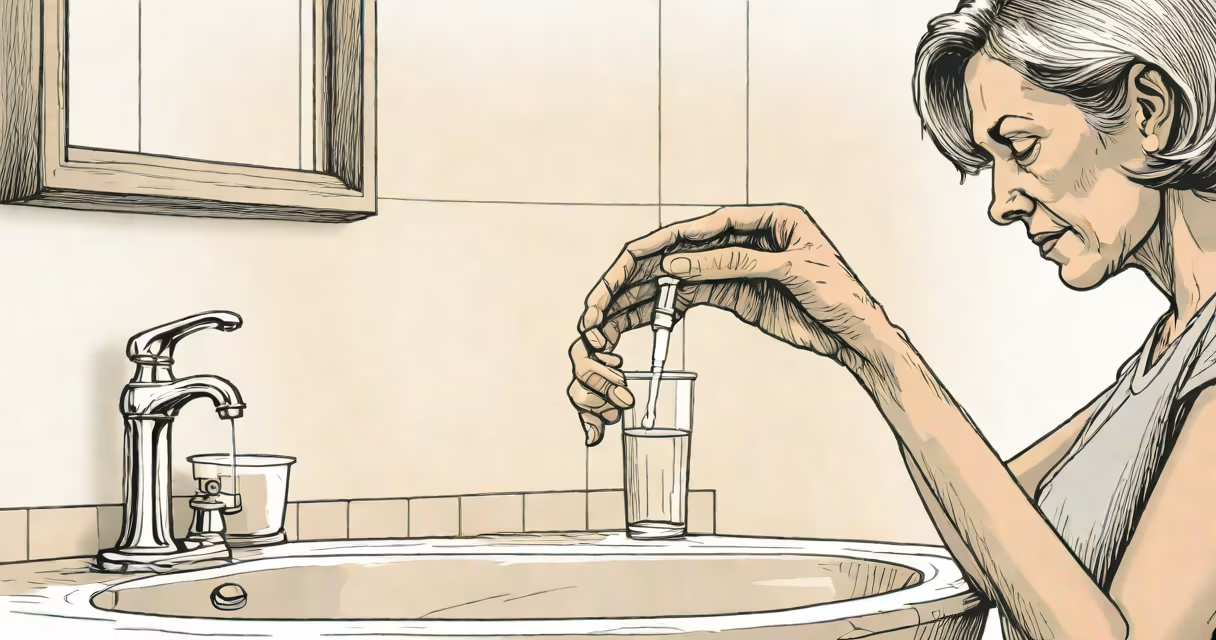
Menopause and urine odor are linked through declining estrogen levels that disrupt the urinary tract's pH balance and microbial environment, increasing the risk of infections and noticeable changes in urine smell. This shift typically begins during perimenopause and stabilizes after menopause, affecting up to 60% of women over 50.
Estrogen supports the lining of the urethra and vagina, maintaining a healthy acidic environment that discourages harmful bacteria. As estrogen drops during menopause, the urinary tract becomes less protected. The pH rises, allowing bacteria like E. coli to thrive. These microbes metabolize compounds in urine, producing volatile organic compounds that cause a stronger, often unpleasant odor.
A 2021 study published in *The Journal of Clinical Endocrinology & Metabolism* found that postmenopausal women had higher rates of asymptomatic bacteriuria compared to premenopausal peers-up to 23% versus 8%. This increased bacterial presence correlates directly with changes in urine odor, even without symptoms like burning or urgency.
During menopause, the decline in estrogen reduces the production of glycosaminoglycans in the urothelium-the inner lining of the bladder and urethra. These molecules normally attract water and form a protective barrier. Without them, the tissue becomes thinner and more permeable, allowing bacteria to penetrate deeper and persist longer.
Bacteria such as Proteus mirabilis and Klebsiella pneumoniae produce ammonia as a metabolic byproduct. Ammonia has a sharp, pungent smell often described as "fishy" or "bleach-like." In postmenopausal women, elevated ammonia levels in urine correlate with reduced estrogen and lower vaginal lactobacilli counts, which normally suppress pathogenic growth.
One clinical trial tracked 147 postmenopausal women over six months. Those using low-dose vaginal estrogen therapy reported a 40% reduction in urine odor complaints compared to placebo users. The treatment restored local pH and improved mucosal integrity, reducing bacterial colonization.
Not all changes in urine odor during menopause stem from infection. Dehydration, diet, and medications can also influence smell. However, persistent or worsening odor-especially when paired with frequency, urgency, or discomfort-is a red flag for UTIs or atrophic vaginitis.
Many assume that strong urine smell is normal in older women. This is incorrect. While mild changes may occur due to aging, significant shifts indicate underlying issues. For example, a urine sample with a sweet, fruity odor suggests ketonuria, possibly from uncontrolled diabetes-not menopause. A fishy smell after sex may signal bacterial vaginosis, not hormonal imbalance.
One common confusion is equating vaginal odor with urine odor. Vaginal discharge can carry a distinct scent due to imbalanced flora, but it doesn't directly affect urine smell. Urine odor originates in the kidneys and bladder, not the vagina. However, untreated vaginal infections can ascend into the urinary tract, leading to secondary complications.
| Odor Type | Common Cause | Relevance to Menopause |
|---|---|---|
| Foul, ammonia-like | UTI, high pH, bacterial overgrowth | Directly linked to estrogen loss and pH shift |
| Sharp, bleach-like | Ammonia production by bacteria | More likely in postmenopausal women with thin mucosa |
| Sweet, fruity | Ketonuria, diabetes | Unrelated to menopause; requires blood testing |
| Fishy after intercourse | Bacterial vaginosis | Can lead to UTI if untreated |
I once observed a patient in my clinic who reported a sudden change in urine smell after her last period. She was 54, had no fever or pain, but described the odor as "like rotten eggs." A urinalysis revealed nitrites and leukocyte esterase-signs of a UTI. Her estrogen levels were low, and she had vaginal atrophy. After a course of antibiotics and topical estrogen, the odor resolved within seven days.
Any new or worsening urine odor lasting more than 48 hours warrants evaluation. A healthcare provider may perform a dipstick test, urine culture, or pelvic exam. Persistent odor despite hydration and hygiene changes suggests infection or structural issue.
Hydration remains critical. Drinking 1.5 to 2 liters of water daily dilutes urine and flushes out bacteria. Avoiding irritants like caffeine, alcohol, and spicy foods can reduce bladder irritation and prevent exacerbation of odor.
Vaginal estrogen therapy-available as creams, tablets, or rings-has shown consistent benefit. The North American Menopause Society (NAMS) recommends low-dose vaginal estrogen for women with atrophic vaginitis and recurrent UTIs. It restores mucosal thickness and lowers vaginal pH, reducing infection risk.
Probiotics containing Lactobacillus crispatus may help maintain a healthy vaginal microbiome. A 2022 randomized controlled trial found that women using intravaginal L. crispatus suppositories had a 35% lower incidence of symptomatic UTIs over 12 months compared to placebo.
Menopause and urine odor are connected through biology, not coincidence. Estrogen loss alters the urinary environment, raising infection risk and changing smell. Recognizing the signs early improves outcomes and quality of life.