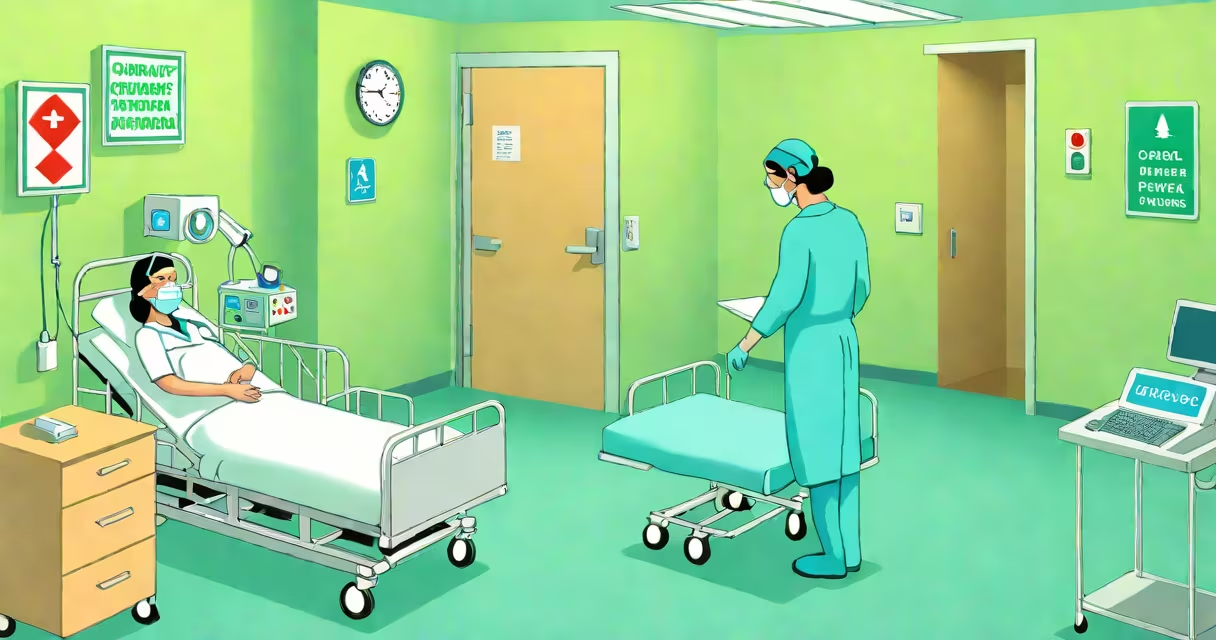
mrsa nursing precautions are standardized infection control measures used in healthcare settings to prevent the transmission of methicillin-resistant Staphylococcus aureus, a strain of staph bacteria resistant to common antibiotics. These precautions include contact isolation, strict hand hygiene, and the use of personal protective equipment (PPE) such as gloves and gowns.
Mrsa spreads through direct skin-to-skin contact or via contaminated surfaces and medical devices. In hospitals, nurses implement mrsa nursing precautions to protect patients, staff, and visitors. Failure to follow these steps increases the risk of outbreaks, especially in intensive care units and long-term care facilities.
The Centers for Disease Control and Prevention (CDC) and the World Health Organization (WHO) both list mrsa nursing precautions as essential components of healthcare-associated infection prevention. These protocols reduce patient morbidity and mortality linked to multidrug-resistant organisms.
Nurses initiate mrsa nursing precautions when a patient tests positive for MRSA or is known to carry the organism. The goal is to break the chain of transmission by minimizing contact between the patient and others.
Key actions include placing the patient in a private room with a closed door, using dedicated medical equipment (e.g., blood pressure cuffs, stethoscopes), and limiting visitor access. All staff entering the room must don clean gloves and a gown before touching the patient or their environment.
After leaving the room, nurses remove PPE in a specific sequence: gloves first, then gown, followed by hand hygiene using alcohol-based sanitizer (at least 60% alcohol). This prevents contamination of hands during removal.
Each element of mrsa nursing precautions serves a distinct purpose in reducing exposure risk. The following table outlines the required tools and procedures:
| Component | Use | Guideline Source |
|---|---|---|
| Gloves (nitrile) | Prevent skin contact with MRSA on surfaces or patient skin | CDC, 2023 Guidelines for Prevention of Healthcare-Associated Infections |
| Gown (fluid-resistant) | Protect clothing from contamination during patient care | WHO Infection Prevention and Control Guidance, 2022 |
| Alcohol-based hand rub (60%+ ethanol) | Decontaminate hands after removing PPE | CDC, 2023 Hand Hygiene Guidelines |
| Private room with closed door | Minimize cross-contamination with other patients | Joint Commission Standards, 2023 |
| Dedicated equipment | Avoid sharing items like thermometers or IV poles | CDC, 2023 Environmental Cleaning Recommendations |
One non-obvious rule: gowns must be donned before gloves. This ensures the gown covers the sleeves, preventing skin exposure during glove removal. A nurse who reverses this order risks contaminating their forearms.
Another overlooked detail is the timing of environmental cleaning. Surfaces in an MRSA patient's room must be cleaned with EPA-approved disinfectants every 4 hours, not just after each visit. A study published in *The American Journal of Infection Control* found that rooms cleaned every 4 hours had 40% fewer secondary MRSA cases than those cleaned less frequently.
mrsa nursing precautions are most frequently used in acute care hospitals, especially in surgical wards, burn units, and oncology departments. These areas have high rates of invasive procedures and immunocompromised patients, making them vulnerable to MRSA colonization and infection.
In long-term care facilities, mrsa nursing precautions are triggered when a resident develops a wound infection or shows signs of sepsis. A 2022 report from the National Healthcare Safety Network (NHSN) showed that 14% of hospital-acquired MRSA infections originated in skilled nursing facilities.
Common mistakes include skipping hand hygiene after removing gloves, assuming that a single set of PPE can be reused across multiple patients, or failing to label contaminated laundry. Each error increases the chance of transmission.
Many assume mrsa nursing precautions are the same as airborne or droplet precautions. They are not. MRSA spreads through direct contact, not through the air. Airborne precautions apply to diseases like tuberculosis; droplet precautions cover meningitis and pertussis.
Another misconception is that MRSA only affects people with weak immune systems. While immunocompromised individuals are at higher risk, healthy people can carry MRSA asymptomatically. A 2021 CDC survey found that 1.5% of healthy adults in the U.S. carry MRSA in their nasal passages, often without knowing it.
Some nurses believe that wearing a mask prevents MRSA transmission. Masks are effective against respiratory pathogens but offer no protection against skin-to-skin or surface contact. The correct PPE for MRSA is gloves and gown, not a mask.
In January 2023, a 68-year-old man was admitted to a community hospital with a stage 3 pressure ulcer on his sacrum. Cultures confirmed MRSA. The assigned nurse initiated mrsa nursing precautions immediately.
She placed the patient in a private room, posted a "Contact Precautions" sign on the door, and assigned a dedicated stethoscope and blood pressure cuff. She wore nitrile gloves and a fluid-resistant gown for all interactions. After each task, she performed hand hygiene using a 75% alcohol-based rub.
When the patient needed a dressing change, the nurse used a sterile technique, discarded used materials into a biohazard container, and cleaned the bedside table with a 1:10 bleach solution. She documented each step in the electronic health record.
Over the next 7 days, no other patients in the unit developed MRSA infections. The patient's wound improved, and he was transferred to a rehabilitation center without incident.
This case illustrates how consistent adherence to mrsa nursing precautions prevents outbreaks. The CDC notes that compliance rates above 90% correlate with a 60% reduction in MRSA transmission events.
As a nurse, I've seen what happens when protocols slip. In 2021, a patient in my unit developed a bloodstream infection after a nurse skipped hand hygiene between tasks. The infection traced back to a contaminated IV pole. That event led to a mandatory refresher course on mrsa nursing precautions and reinforced the importance of consistency.
Healthcare workers must treat mrsa nursing precautions as non-negotiable. They are not extra steps-they are the foundation of infection control in modern medicine.