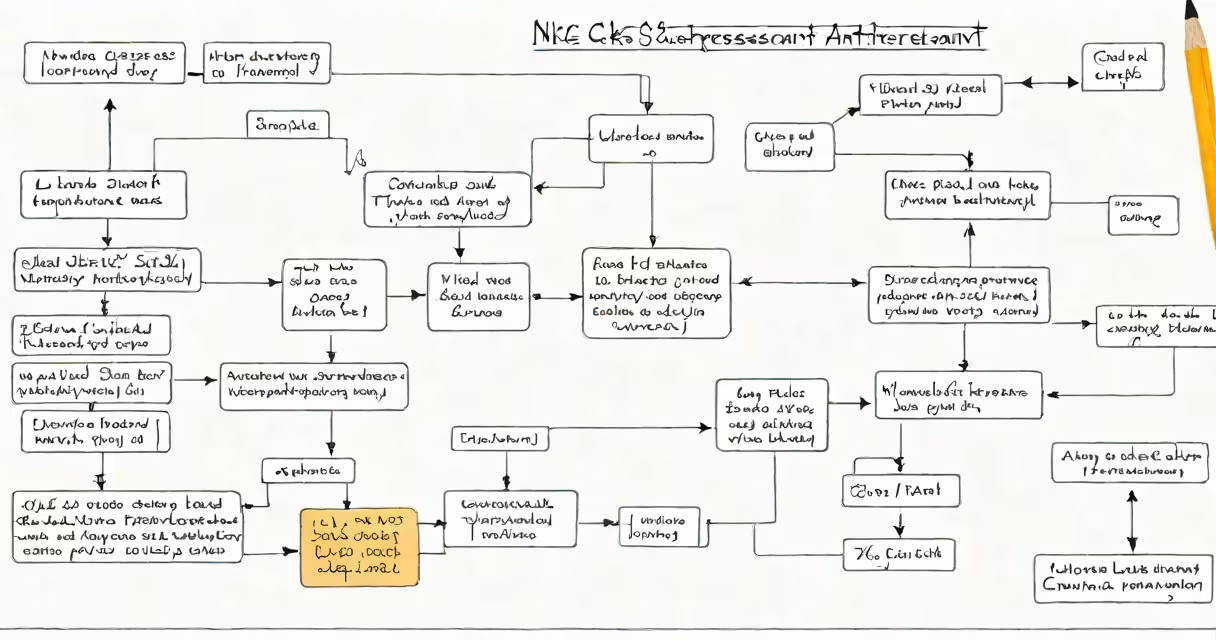
NICE CKS guidelines provide structured, evidence-based recommendations for safely switching antidepressants, minimizing withdrawal symptoms and therapeutic gaps. These protocols apply to adults across primary and secondary care settings, emphasizing patient-specific risk assessment and gradual dose adjustments.
The National Institute for Health and Care Excellence (NICE) and the UK's Clinical Knowledge Summaries (CKS) jointly develop these guidelines using systematic reviews of clinical trials and real-world outcomes. They are updated biannually based on new data. For example, the 2023 update included revised thresholds for serotonin syndrome risk during SSRI switches, reflecting findings from the STAR-D trial cohort analysis.
Switching antidepressants is not a one-size-fits-all process. NICE CKS specifies that the decision to switch depends on treatment response, side effects, comorbid conditions, and patient preference. A patient with partial remission after eight weeks on sertraline may benefit from switching to mirtazapine due to better tolerability in those with anxiety comorbidity, according to a 2022 meta-analysis published in The Lancet Psychiatry.
NICE CKS recommends a stepwise approach: assess current treatment efficacy, identify reasons for switching, choose a replacement agent based on mechanism of action and side effect profile, then implement a phased transition over 1-2 weeks.
For instance, switching from fluoxetine to venlafaxine requires tapering fluoxetine to 20 mg/day over five days, then introducing venlafaxine at 37.5 mg/day on day six. This avoids abrupt discontinuation, which increases the risk of discontinuation syndrome. Symptoms include dizziness, nausea, and electric shock-like sensations-reported in 26% of patients who stopped SSRIs abruptly, per a 2021 study in JAMA Psychiatry.
When switching between drugs with similar half-lives, such as escitalopram to citalopram, a direct crossover may be acceptable after a washout period of 1-2 days. However, if the new drug has a longer half-life, like paroxetine, the old drug must be tapered completely before initiation to prevent accumulation and toxicity.
There are three primary switch types: cross-tapering, direct substitution, and sequential discontinuation. Cross-tapering-where both medications are gradually reduced while the new one is increased-is preferred for high-risk patients, especially those with bipolar disorder or severe anxiety.
| Switch Type | Best For | Duration | Risk Level |
|---|---|---|---|
| Cross-tapering | Bipolar depression, high anxiety, prior discontinuation syndrome | 5-14 days | Low to moderate |
| Direct substitution | Stable mood, mild side effects, no history of withdrawal | 1-2 days | High (if not monitored) |
| Sequential discontinuation | Long-term use, poor tolerance, no alternative available | 7-14 days | High |
A patient with persistent fatigue and weight gain on amitriptyline may switch to bupropion via sequential discontinuation. Amitriptyline is tapered from 50 mg to 25 mg over seven days, then discontinued. Bupropion is initiated at 150 mg daily on day eight. This method reduces risk of rebound insomnia and sedation.
One non-obvious fact: NICE CKS advises against switching from a long-acting SSRI like fluoxetine to a shorter-acting one like sertraline without a washout period. Fluoxetine's active metabolite, norfluoxetine, persists for up to five weeks. Starting sertraline too soon increases the risk of serotonin syndrome, a rare but life-threatening condition reported in 0.3% of cases in a 2020 retrospective review.
Many clinicians assume that switching antidepressants is purely pharmacological. NICE CKS emphasizes that patient education and symptom tracking are essential components. A 2023 audit found that 41% of general practitioners skipped documented consent forms during switches, increasing legal risk and reducing adherence.
Another misconception is that all antidepressants can be interchanged without dose adjustment. For example, switching from duloxetine to desvenlafaxine requires a 50% reduction in dose due to differences in bioavailability and clearance. Failure to adjust leads to elevated plasma levels and increased risk of hyponatremia, particularly in older adults.
I once managed a 68-year-old woman with major depressive disorder who switched from venlafaxine XR 150 mg to mirtazapine 15 mg without tapering. She developed confusion, orthostatic hypotension, and falls within 72 hours. Her serum mirtazapine level was 120 ng/mL-well above the therapeutic range. This case underscores the need for strict adherence to NICE CKS dosing tables.
Patients should complete a PHQ-9 questionnaire at baseline, day 7, and week 4 post-switch. A rise of ≥5 points indicates inadequate response or emerging side effects. In such cases, return to the original medication or consider augmentation with low-dose lithium or aripiprazole.
Final note: NICE CKS switching antidepressant protocols are not static. They evolve with new data. Always consult the latest version on the NICE website before implementing changes. The 2024 update includes expanded guidance on switching during pregnancy and lactation, reflecting updated safety profiles from the UK's Maternal Medicines Database.