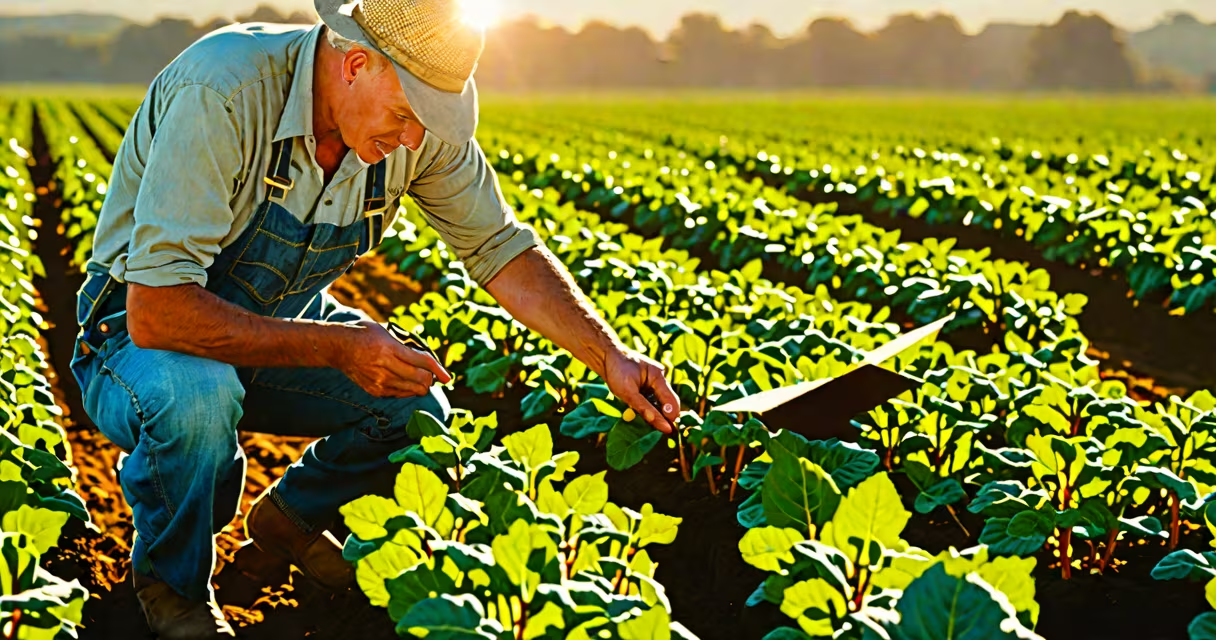
When something is labeled organic, it means it meets strict government standards for production, processing, and labeling. These standards prohibit synthetic pesticides, genetically modified organisms (GMOs), and artificial additives. The U.S. Department of Agriculture (USDA) enforces these rules through its National Organic Program (NOP).
Organic applies to food, fiber, cosmetics, and agricultural products. For food, the term means the item was grown without most synthetic fertilizers, pesticides, antibiotics, or growth hormones. Animals raised organically must have access to outdoors, eat certified organic feed, and not receive routine antibiotics or hormones.
The USDA defines organic as "produced without using most synthetic fertilizers or pesticides." This standard ensures traceability and integrity across supply chains. A product cannot be labeled organic unless it passes inspection by a USDA-accredited certifier.
Producers must follow detailed practices to qualify for organic status. For crops, this includes crop rotation, compost use, and buffer zones to prevent contamination from nearby conventional farms. Soil health is central-organic farmers maintain fertility through cover cropping and organic matter rather than synthetic inputs.
For livestock, animals must be raised in conditions that accommodate their natural behaviors. They must have access to pasture for at least 120 days per year and be fed 100% organic feed. Antibiotics are only permitted in emergencies, and animals treated with them cannot be sold as organic.
Certification requires annual inspections and recordkeeping. The USDA mandates that organic producers document seed sources, fertilizer applications, and animal health treatments. Non-compliance results in loss of certification and potential fines.
| Label Type | Required Organic Content | Allowed Uses |
|---|---|---|
| 100% Organic | 100% | Can display the USDA Organic seal and claim "100% organic" on packaging. |
| Organic | ≥95% | May use the USDA Organic seal and state "organic" on labels. |
| Made with Organic Ingredients | ≥70% | Can list up to three organic ingredients on the front label but cannot use the seal. |
| Less than 70% | <70% | Cannot use the term "organic" on the front label; may list organic ingredients in the ingredient list. |
"Natural" and "organic" are not interchangeable. A product labeled "natural" may still contain synthetic additives, pesticides, or GMOs. The term "natural" is not regulated by the FDA or USDA for food, unlike "organic," which has legally binding standards.
Some assume organic means "healthier" or "more nutritious." While organic produce often has lower pesticide residues, scientific reviews show no consistent nutritional advantage. A 2012 meta-analysis published in the Annals of Internal Medicine found no significant difference in vitamin content between organic and conventional produce.
Another misconception is that organic farming is inherently sustainable. While many organic practices promote soil health and biodiversity, large-scale organic operations can still have high carbon footprints due to transportation and energy-intensive methods. A 2020 study in Nature Food found that organic wheat yields were 19% lower than conventional wheat, requiring more land per unit of food produced.
A tomato farm in California grows heirloom tomatoes under USDA organic standards. The farm uses composted manure, rotates crops with legumes to fix nitrogen, and employs beneficial insects to control aphids. No synthetic herbicides or fungicides are applied.
Before harvest, an accredited inspector visits the farm. Records confirm no prohibited substances were used. The tomatoes are washed with a chlorine-free rinse and packed in recyclable containers. After processing, the product is labeled "Organic" and bears the USDA Organic seal.
Consumers who buy these tomatoes pay a premium-about $3.50 per pound compared to $2.20 for conventional ones. The higher cost reflects labor, certification fees, and lower yields. But buyers value reduced chemical exposure and support for sustainable farming.
Organic is not a marketing term-it's a legal designation. The USDA's NOP sets enforceable rules. Without certification, a product cannot legally claim to be organic, even if it's grown without chemicals.
One non-obvious fact: organic certification does not guarantee absence of contaminants. A 2018 study in Environmental Science & Technology found that 12% of organic produce samples contained detectable levels of banned pesticides. Contamination can occur via wind drift, water runoff, or cross-contamination during transport.
I once visited a small organic dairy farm in Wisconsin. The owner showed me the barn, the pasture rotation schedule, and the records of feed purchases. He emphasized that maintaining organic status wasn't just about avoiding chemicals-it was about daily stewardship. One mistake in recordkeeping could trigger a revocation of certification.
When you see "organic," trust the label-but understand what it represents. It's not a promise of perfection. It's a commitment to transparency, ecological balance, and adherence to federal standards.