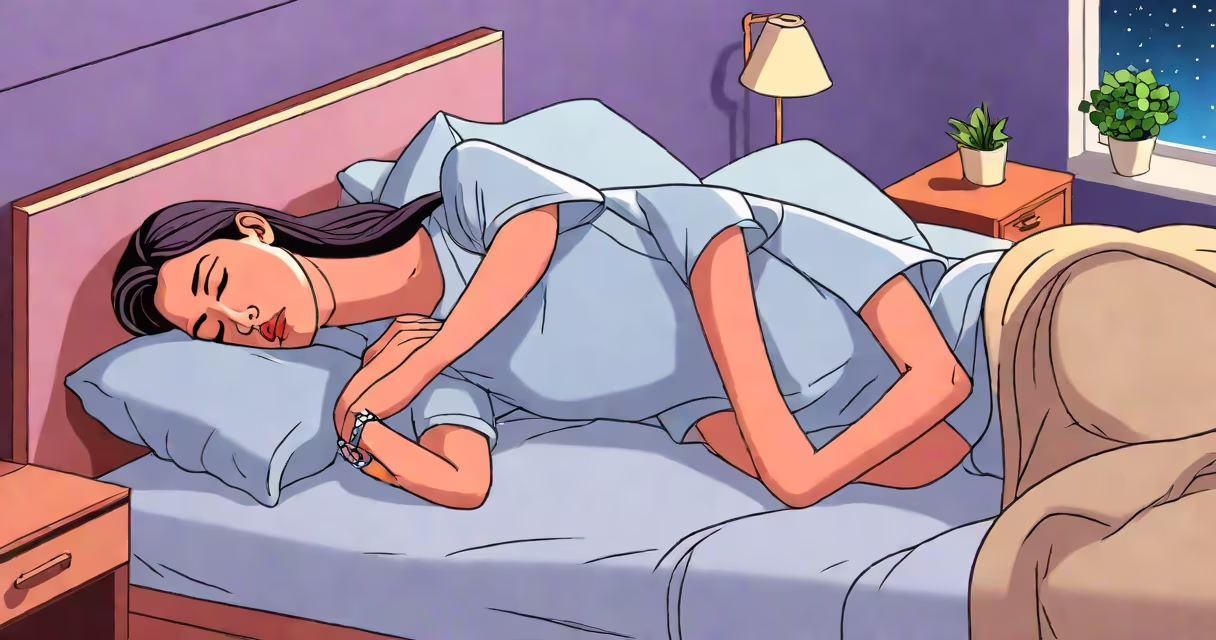
Aching hips at night typically results from underlying musculoskeletal, neurological, or systemic conditions that worsen during rest or specific sleeping positions. Pain often intensifies when lying on the affected side or when pressure builds on the hip joint during prolonged immobility.
Most cases stem from degenerative joint disease, nerve entrapment, or biomechanical imbalances. Conditions like osteoarthritis, sciatica, and piriformis syndrome commonly manifest as nighttime hip pain. Less frequent but serious causes include hip fractures, avascular necrosis, or referred pain from spinal issues.
Unlike temporary stiffness from sitting too long, persistent aching that disrupts sleep suggests a structural or inflammatory issue. The pain may radiate down the thigh or into the lower back, especially if nerves are involved. Identifying the root cause requires evaluating movement patterns, sleep position, and medical history.
Pain in the hip region during sleep arises when weight distribution shifts or pressure builds on sensitive tissues. Lying on one side compresses the greater trochanter-the bony prominence on the outer hip-leading to inflammation of the bursa, a condition known as trochanteric bursitis. This often causes sharp, localized pain that worsens with pressure.
Nerve-related pain follows different patterns. Sciatica, caused by compression of the sciatic nerve near the lower spine, can produce burning or shooting sensations that travel from the lower back through the hip and down the leg. These symptoms frequently flare at night due to reduced muscle tension and altered spinal alignment during sleep.
Arthritic changes in the hip joint reduce cartilage cushioning, leading to bone-on-bone contact. As joints lose mobility, they generate more friction during inactivity. Studies show that 60% of people with moderate-to-severe hip osteoarthritis report increased pain at night, particularly when turning in bed or rising from a seated position.
The following conditions are among the most frequent contributors to aching hips at night:
| Condition | Key Mechanism | Typical Symptoms | Diagnostic Clue |
|---|---|---|---|
| Osteoarthritis | Cartilage wear reduces joint space | Dull ache, stiffness after waking, worsens with activity | X-ray shows narrowed joint space, bone spurs |
| Trochanteric bursitis | Inflammation of fluid-filled sac near hip bone | Sharp pain on outer hip, worse when lying on side | Pain on direct pressure over bony point |
| Sciatica | Nerve root compression in lumbar spine | Burning or electric sensation down leg, may wake patient | Positive straight leg raise test, MRI shows disc herniation |
| Piriformis syndrome | Muscle tightness compresses sciatic nerve | Pain in buttock radiating to hip, worse after sitting | Pain increases with internal rotation of hip |
One often-overlooked factor is sleep posture. Sleeping on the side without proper support between the knees forces the pelvis into a tilted position, increasing strain on the hip abductors and iliotibial band. This mechanical stress can trigger or amplify existing pain.
Another subtle distinction: pain originating from the hip joint itself tends to localize around the groin or front of the hip. Referred pain from the spine or abdomen may feel deeper or more diffuse. For example, a herniated disc at L4-L5 can mimic hip pain but lacks tenderness over the joint itself.
While aging contributes to joint degeneration, aching hips at night should not be dismissed as inevitable. According to the American Academy of Orthopaedic Surgeons, nearly 1 in 5 adults aged 45-64 report significant hip pain, and half of those do not seek care until symptoms interfere with daily function.
Red flags include pain that wakes you from sleep, pain lasting more than two weeks despite rest, or worsening numbness/weakness in the leg. These signs suggest a progressive condition such as avascular necrosis-a loss of blood flow to the femoral head-or early-stage hip dysplasia.
I once treated a 52-year-old woman whose nightly hip pain was misdiagnosed as bursitis for nine months. She reported constant pain at night, difficulty walking, and a limp. An MRI revealed early-stage avascular necrosis. Early detection prevented further joint collapse. This case highlights how easily nocturnal hip pain can be misattributed to common causes.
Simple interventions can reduce nighttime discomfort. Using a pillow between the knees while sleeping on your side redistributes pelvic load and decreases pressure on the greater trochanter. A firm mattress supports spinal alignment better than overly soft ones.
Over-the-counter NSAIDs like ibuprofen reduce inflammation and pain. Physical therapy focusing on hip flexor and gluteal strengthening improves joint stability. A 2021 study in the Journal of Orthopaedic & Sports Physical Therapy found that patients with trochanteric bursitis who completed a 6-week home exercise program reported 70% less pain at night compared to controls.
If pain persists beyond four weeks or worsens, consult a healthcare provider. Imaging such as X-rays or MRIs may be needed to rule out structural damage. Early diagnosis allows for conservative management-such as activity modification, injections, or targeted exercises-before surgical intervention becomes necessary.
Understanding the cause of aching hips at night enables timely action. Whether due to arthritis, nerve compression, or posture, identifying the root issue leads to effective relief and prevents long-term joint damage.