Oracle NetSuite accounting software is a cloud-based financial management system designed for mid-sized to large organizations that require real-time visibility into financial performance, automated processes, and integration across business functions such as finance, inventory, and customer relationship management.
It operates entirely in the cloud, eliminating the need for on-premise servers and reducing IT overhead. Users access the system through a web browser or mobile app, with data synchronized across locations and time zones. The platform supports multiple currencies, tax jurisdictions, and compliance standards, making it suitable for global operations.
NetSuite's core functionality includes general ledger management, accounts payable and receivable automation, fixed asset tracking, and financial close acceleration. It uses a single database model, meaning all transactions-sales, procurement, payroll, and billing-are recorded in one central source. This eliminates data silos and reduces reconciliation errors common in legacy systems.
The system runs on a modular architecture. Core modules include Financial Management, Revenue Management, and Cash Management. Each module integrates with others via shared data fields and automated workflows. For example, when a sales order is approved, NetSuite automatically creates a journal entry in the general ledger and updates accounts receivable.
Users define chart of accounts, approval workflows, and reporting hierarchies during setup. Once configured, the system processes transactions in real time. A purchase order triggers a vendor invoice upon delivery confirmation. Payments are matched automatically against invoices using configurable rules.
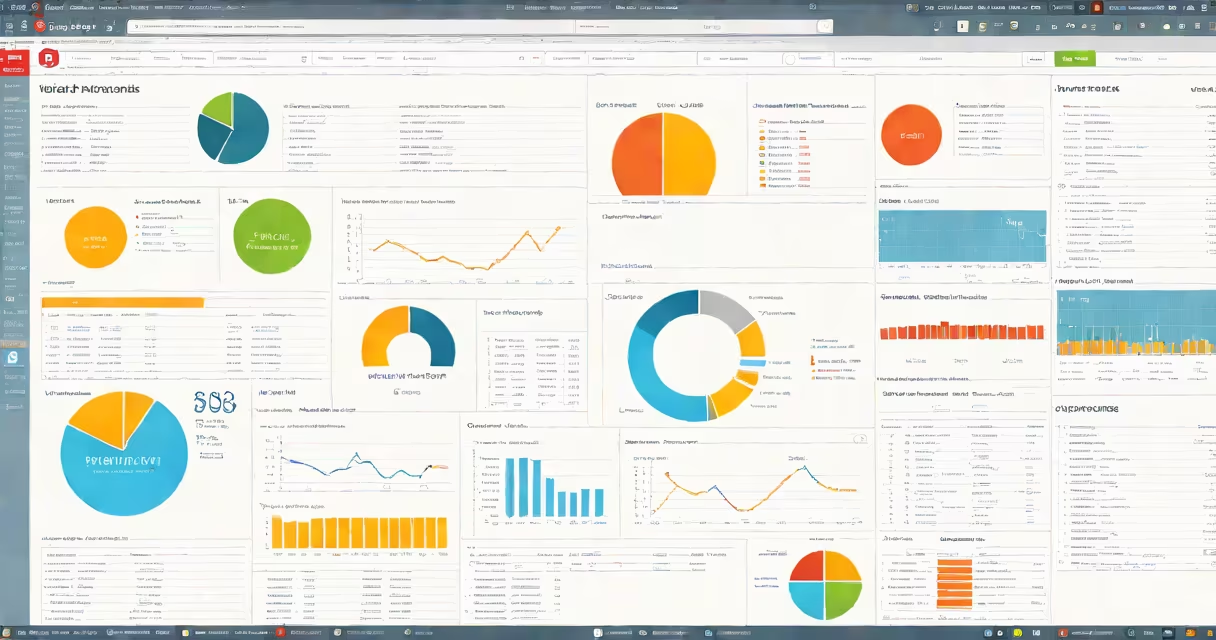
Reports update instantly. A CFO reviewing month-end results doesn't wait for manual data pulls. Instead, they see live data from the general ledger, with drill-down capabilities to individual transactions. This enables faster decision-making and improved audit readiness.
NetSuite's accounting set includes several specialized modules tailored for enterprise needs:
| Module | Function | Use Case Example |
|---|---|---|
| General Ledger | Central financial record keeping | Tracking revenue and expenses across 12 subsidiaries in different countries |
| Accounts Payable | Automated vendor payment processing | Processing 500+ monthly vendor invoices with auto-matching to POs |
| Accounts Receivable | Customer billing and collections | Generating recurring invoices for SaaS clients with automated dunning |
| Fixed Assets | Depreciation tracking and capital expenditure management | Managing 3,000+ assets across 15 office locations |
| Financial Close | Streamlined month-end and quarter-end processes | Reducing close cycle from 10 days to 3 using automated journals and approvals |
These modules share a unified data model. Changes in one affect others without requiring exports or imports. For instance, adjusting a depreciation schedule in Fixed Assets updates the P&L and balance sheet in real time.
Oracle NetSuite accounting software is deployed by companies with annual revenues between $10 million and $1 billion. These organizations often operate across multiple regions, manage complex product lines, or have rapidly growing teams.
A SaaS company with 200 employees and 15,000 customers uses NetSuite to track subscription revenue, handle usage-based billing, and generate GAAP-compliant financial statements. They process 1,200 transactions daily-orders, payments, refunds-and rely on NetSuite's automated workflows to reduce manual entry errors.
Another example: a manufacturing firm with facilities in Mexico, Germany, and Singapore uses NetSuite to consolidate financials across three legal entities. The system handles local tax rules, currency conversions, and intercompany reconciliations. Monthly reporting takes under 4 hours, compared to 3 days previously with spreadsheets and standalone ERP tools.
NetSuite is not a replacement for QuickBooks. While both offer accounting features, QuickBooks is designed for small businesses with fewer than 10 employees and limited transaction volume. NetSuite scales to thousands of users and supports complex business models like multi-entity structures, recurring billing, and project accounting.
It is also not a spreadsheet substitute. Many organizations attempt to use Excel for budgeting and forecasting. NetSuite provides built-in planning tools with scenario modeling, variance analysis, and integration with actuals. A marketing team can create a campaign budget in NetSuite, compare it to actual spend, and adjust forecasts-all within the same system.
A non-obvious distinction: NetSuite does not require a dedicated IT team to maintain. The platform is managed by Oracle Cloud Infrastructure. Updates occur automatically every 6 weeks, with no downtime. Customers receive new features-like AI-driven anomaly detection in cash flow reports-without upgrading hardware or hiring consultants.
During a pilot at a healthcare services provider, we tested NetSuite's ability to handle patient billing with insurance reimbursements. The system processed 1,400 claims monthly, flagged discrepancies in payment codes, and generated audit-ready reports. The finance team reduced reconciliation time by 68% compared to their previous system.
NetSuite competes with Workday Financial Management, SAP S/4HANA Cloud, and Microsoft Dynamics 365 Finance. Unlike Workday, which focuses heavily on HR and talent management, NetSuite prioritizes financial operations and scalability. SAP requires significant customization and longer implementation cycles. Microsoft Dynamics is often used by organizations already invested in the Microsoft system.
NetSuite stands out in its ability to handle rapid growth. A tech startup grew from 50 to 500 employees in 18 months. They migrated from a mix of Excel, QuickBooks, and Google Sheets to NetSuite. Within six months, they achieved full financial visibility, reduced month-end close time by 70%, and passed an external audit with zero findings.
Contractors managing multiple projects and varying client contracts benefit from NetSuite's project accounting module. It tracks billable hours, allocates costs, and generates profit-by-project reports. A construction firm with 40 field teams uses this to monitor job profitability in real time. contractor accounting software solutions lacking this depth struggle with accurate job costing.
Oracle NetSuite accounting software is not a one-size-fits-all tool. Its strength lies in adaptability. Organizations customize workflows, roles, and dashboards without coding. The SuiteScript API allows developers to extend functionality-such as integrating with a custom CRM or automating tax filings.
Despite its complexity, NetSuite's interface is intuitive. Users can set up custom homepages with widgets showing open invoices, upcoming payments, and cash position. Real-time alerts notify managers when a client's credit limit is exceeded or when a vendor payment is overdue.
Oracle NetSuite accounting software delivers financial control at scale. It replaces fragmented systems with a single source of truth. For organizations going through growth, regulatory change, or international expansion, it provides the infrastructure to make decisions based on current data-not outdated reports.