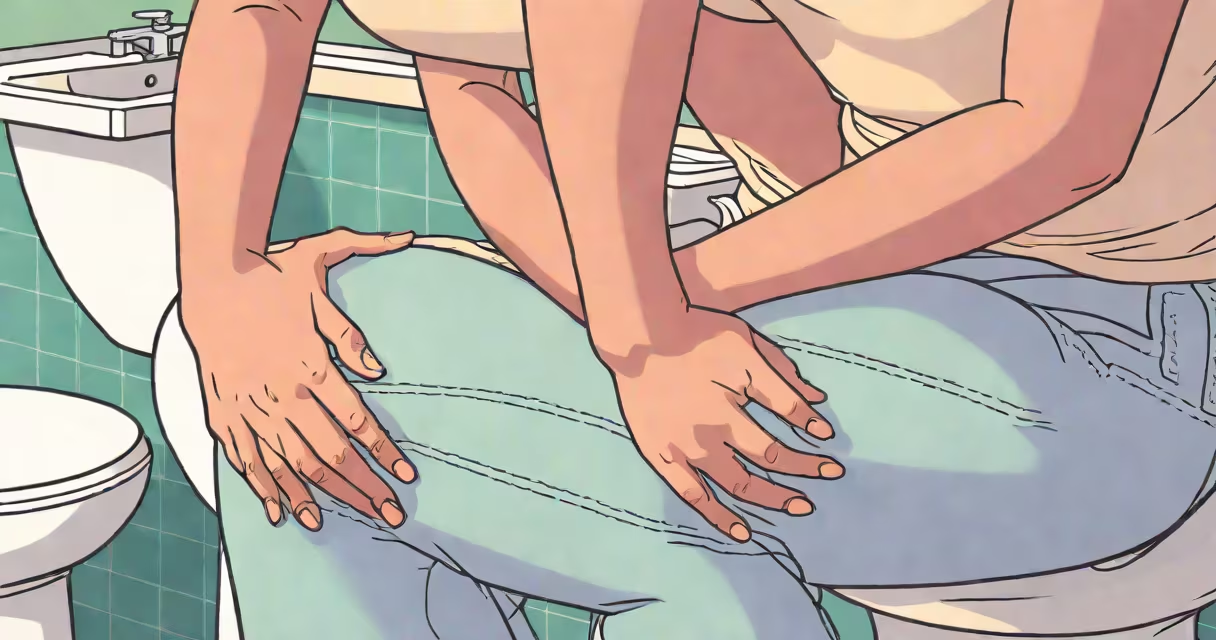
Pain during bowel movements stems from physical irritation or inflammation in the rectum, anus, or lower colon. This discomfort may result from conditions like hemorrhoids, anal fissures, constipation, or inflammatory bowel disease. Persistent pain requires medical evaluation to rule out serious causes.
Defecation involves coordinated muscle contractions in the colon and pelvic floor. When these processes are disrupted-due to straining, hardened stool, or tissue damage-the nerves in the rectal area send sharp pain signals to the brain. Pain typically occurs during or immediately after passing stool, especially if the stool is large, hard, or frequent.
Most cases involve benign, treatable conditions. However, recurring pain may indicate chronic issues such as Crohn's disease, ulcerative colitis, or rectal prolapse. Early diagnosis improves outcomes and reduces complications.
Pain arises when pressure or friction damages sensitive tissues in the lower gastrointestinal tract. The rectum and anus contain dense networks of nerve endings. Any trauma-mechanical, chemical, or inflammatory-can trigger acute pain.
Straining increases intra-abdominal pressure, which forces blood vessels in the anal canal to swell. This leads to hemorrhoids-swollen veins that bleed and ache during bowel movements. According to the American College of Gastroenterology, hemorrhoids affect about 4.4% of adults annually, with most cases resolving through dietary changes and topical treatments.
Anal fissures-small tears in the anal lining-are another frequent cause. They often form when hard stool stretches the anal sphincter. A 2021 study in *Clinical Gastroenterology and Hepatology* found that 60% of patients with acute fissures reported severe pain during defecation, with symptoms lasting more than a week in 30% of cases.
Several medical conditions consistently lead to pain with each bowel movement. Identifying the root cause guides effective treatment.
| Condition | Key Symptoms | Prevalence | Treatment Focus |
|---|---|---|---|
| Hemorrhoids | Bleeding, itching, throbbing pain during defecation | Affects ~4.4% of adults yearly | Dietary fiber, sitz baths, topical steroids |
| Anal Fissure | Sharp, burning pain; visible crack near anus | Occurs in ~1% of adults annually | Sphincter relaxants, warm water soaks, surgery if chronic |
| Constipation | Infrequent stools, hard or lumpy feces, straining | 12-19% of U.S. adults report symptoms | Fiber increase, hydration, laxatives if needed |
| Inflammatory Bowel Disease (IBD) | Diarrhea, abdominal cramping, blood in stool | ~1.3 million U.S. adults diagnosed | Anti-inflammatory drugs, immunosuppressants, surgery |
Chronic constipation contributes to pain by increasing strain and stool hardness. The National Institute of Diabetes and Digestive and Kidney Diseases notes that hard stool can tear the delicate lining of the rectum, leading to fissures. Over time, this cycle worsens discomfort and may lead to avoidance of bowel movements-a behavior that exacerbates constipation.
IBD, including Crohn's and ulcerative colitis, causes inflammation throughout the digestive tract. Inflammation disrupts normal motility and damages intestinal tissue. Patients often describe a "cramping" or "burning" sensation during bowel movements, sometimes accompanied by mucus or blood. Diagnosis requires endoscopy and biopsy.
Not all bowel pain is minor. Certain signs indicate urgent medical attention is needed.
Seek immediate care if you experience:
These symptoms may signal colorectal cancer, strictures, or obstructions. The American Cancer Society reports that colorectal cancer is the third most common cancer in the U.S., with early detection improving five-year survival rates to 91%. Regular screening begins at age 45.
I've seen patients delay care for months due to embarrassment. One man waited six weeks after noticing blood and pain, only to be diagnosed with a high-grade adenoma-precancerous polyps. Early intervention prevented progression.
Many assume pain during bowel movements is simply "normal" or caused by diet alone. This belief delays diagnosis and treatment.
For example, people often blame spicy food or dehydration. While these can contribute, they don't explain consistent pain with every bowel movement. True causes require clinical evaluation.
Another misconception is that hemorrhoids are always external. Internal hemorrhoids-located above the dentate line-can cause painless bleeding but may progress to prolapse and discomfort if untreated. The American Society of Colon and Rectal Surgeons clarifies that internal hemorrhoids are not inherently painful unless they become thrombosed or prolapsed.
Some confuse pain with irritable bowel syndrome (IBS). While IBS causes cramping and altered bowel habits, it doesn't typically cause structural damage or bleeding. Pain in IBS tends to improve after defecation, unlike fissures or tumors, where pain persists or worsens.
If pain recurs with every bowel movement, consult a healthcare provider. Start with a primary care physician or gastroenterologist. They may recommend a physical exam, anoscopy, sigmoidoscopy, or colonoscopy depending on risk factors.
Begin with lifestyle adjustments: increase daily fiber intake to 25-30 grams, drink 8 cups of water, and move regularly. Avoid straining. If constipation persists, a doctor may prescribe a stool softener like docusate sodium or a stimulant laxative like senna.
For suspected fissures or hemorrhoids, over-the-counter treatments such as Preparation H or witch hazel wipes may reduce swelling and discomfort. Warm sitz baths (15 minutes, twice daily) improve circulation and ease pain.
Understanding the cause behind recurring pain during bowel movements enables timely treatment. Most cases stem from manageable conditions, but ignoring warning signs can lead to serious health consequences.