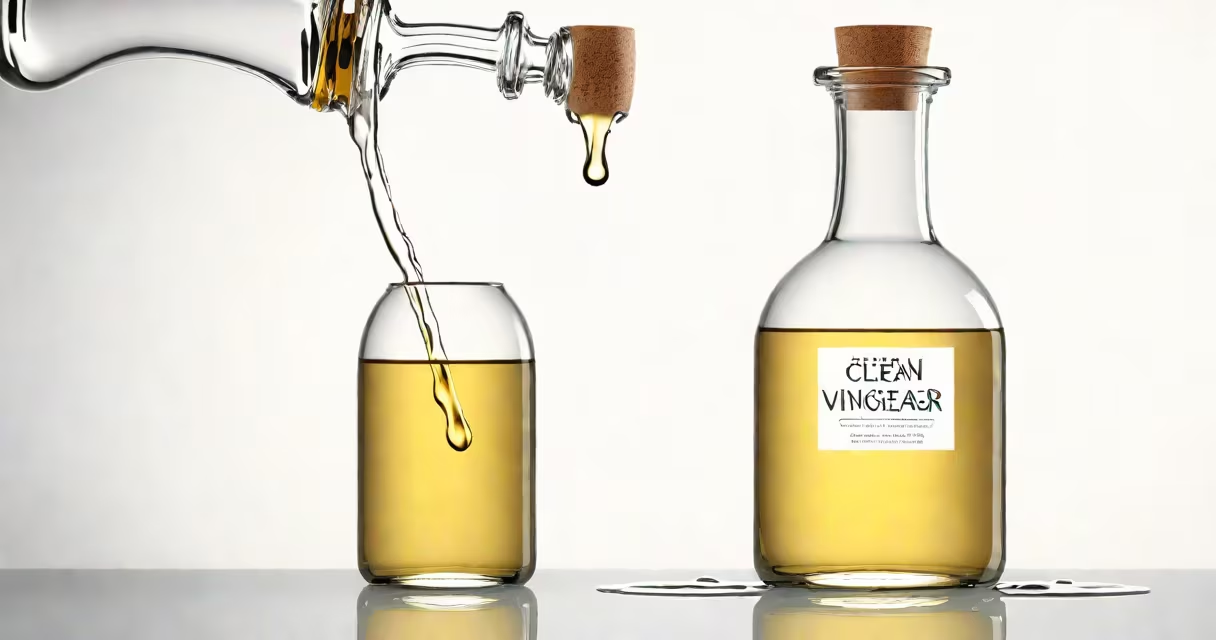
The ph balance of vinegar typically measures between 2.4 and 3.4, primarily due to its acetic acid content, which averages 4% to 6% in household varieties. This acidity makes vinegar effective for preserving food, cleaning surfaces, and influencing biological processes.
Vinegar forms through a two-stage fermentation process. First, sugars in fruit, grains, or other organic material are converted into alcohol by yeast. Then, bacteria called Acetobacter oxidize the alcohol into acetic acid. The resulting solution's pH depends on the acetic acid concentration. For example, distilled white vinegar contains about 5% acetic acid and registers a pH of approximately 2.5.
Acetic acid is a weak acid, meaning it doesn't fully dissociate in water. Despite this, its presence lowers the pH. A 1% acetic acid solution has a pH around 2.9, while a 10% solution drops to pH 2.1. Household vinegar rarely exceeds 8% acetic acid, keeping its pH within the 2.4-3.4 range.
Different vinegars vary in pH based on origin and processing. Apple cider vinegar often has a pH between 3.0 and 3.5, slightly higher than white vinegar due to additional organic compounds. Balsamic vinegar, aged and concentrated, can reach pH 2.7 due to high sugar and acid content. Rice vinegar, used in Asian cuisine, typically falls between 3.0 and 3.5.
| Type | Acetic Acid (%) | pH Range | Common Use |
|---|---|---|---|
| Distilled white | 4-6 | 2.4-3.4 | Cleaning, pickling |
| Apple cider | 5-6 | 3.0-3.5 | Salads, marinades |
| Balsamic | 6-8 | 2.7-3.0 | Glazes, dressings |
| Rice | 4-5 | 3.0-3.5 | Sushi, stir-fries |
Some people consume vinegar daily for perceived health benefits. A 2018 study published in the journal Diabetes Care found that consuming 1-2 tablespoons of apple cider vinegar before meals improved insulin sensitivity in individuals with type 2 diabetes. However, the study noted that participants experienced mild gastrointestinal discomfort, likely due to the low pH.
Despite common belief, vinegar does not alter systemic pH in humans. The human body maintains blood pH within a narrow range of 7.35 to 7.45 through respiratory and renal regulation. Drinking vinegar may affect stomach acidity temporarily, but it does not change body pH. The kidneys filter out excess acids, and the lungs expel carbon dioxide to maintain balance.
Many assume that acidic foods like vinegar make the body more acidic. This is incorrect. The body regulates internal pH independently of diet. While vinegar is acidic, it does not shift blood pH. According to the National Institutes of Health (NIH), dietary acids do not influence systemic pH because the body uses buffers like bicarbonate and compensatory mechanisms in the lungs and kidneys.
Another misconception is that vinegar can "alkalize" the body. Alkaline diets claim to improve health by reducing acid load, but clinical evidence shows no measurable benefit from altering diet pH. The American Society for Clinical Nutrition states that urine pH can vary with diet, but blood pH remains stable regardless of intake.
A non-obvious fact: vinegar's antimicrobial properties stem from its low pH. Acetic acid disrupts bacterial cell membranes and denatures proteins. This effect is why vinegar is used in food preservation. A 2019 study in Food Microbiology showed that 5% acetic acid inhibited growth of E. coli and Salmonella within 30 minutes at room temperature.
In cooking, vinegar's pH influences texture and flavor. In pickling, a pH below 4.6 prevents spoilage by inhibiting pathogens like Clostridium botulinum. The USDA recommends maintaining a pH under 4.6 for safe home canning. Using vinegar with a pH above 4.6 increases risk of foodborne illness.
For cleaning, vinegar's acidity dissolves mineral deposits and kills mold. A 1:1 mix of vinegar and water removes limescale from showerheads. However, prolonged exposure to stone surfaces like marble can cause etching due to acid reaction with calcium carbonate. Always test on a small area first.
I once used vinegar to clean a coffee maker clogged with calcium buildup. After running two cycles of equal parts vinegar and water, the machine resumed normal function. The vinegar smell faded after rinsing with plain water. This routine works reliably for household descaling.
Consuming undiluted vinegar poses risks. The low pH can erode tooth enamel. A 2017 study in Journal of Dentistry found that frequent vinegar consumption reduced enamel hardness by up to 15% over six months. Diluting vinegar in water or using it in recipes reduces exposure.
The ph balance of vinegar is a precise measure of acidity critical to its function in food, cleaning, and health. Understanding its actual role prevents misinformation and supports safe usage.