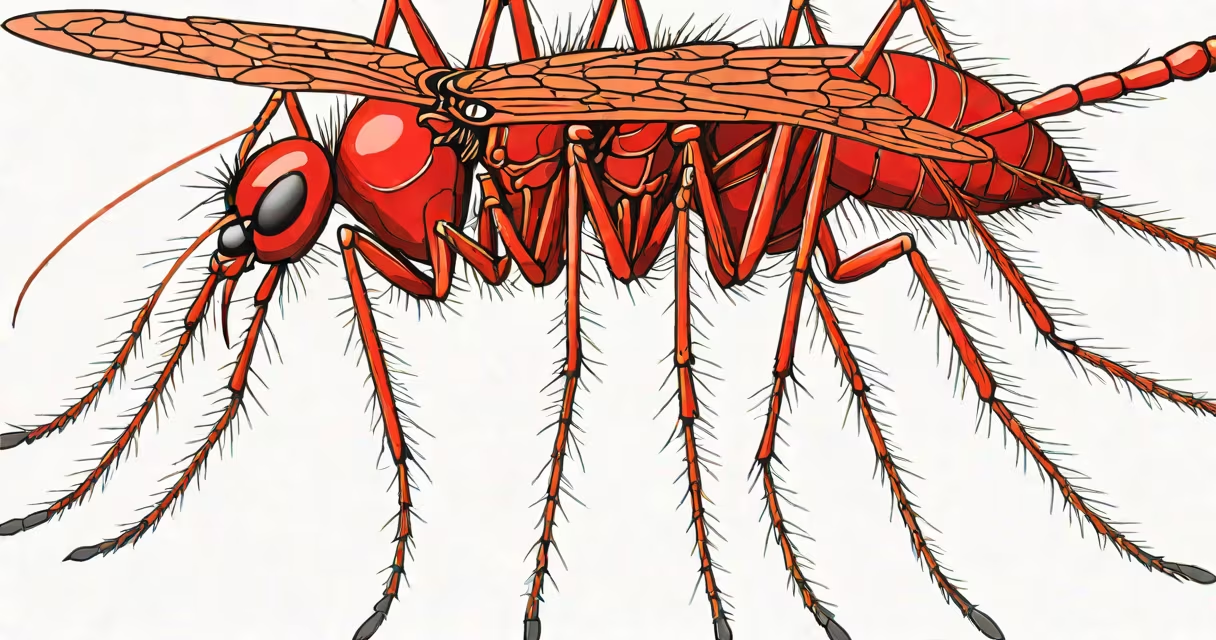
What to do for itching mosquito bites involves cooling the area, applying topical agents like hydrocortisone or calamine, and avoiding scratching to prevent infection and prolonged discomfort. Immediate action reduces inflammation and nerve irritation triggered by mosquito saliva.
Mosquitoes inject saliva during feeding to prevent blood clotting. This substance contains proteins that trigger an immune response in humans, leading to histamine release. Histamine causes blood vessels to dilate and nerves to fire, resulting in redness, swelling, and intense itching. The reaction typically peaks within 24-48 hours and resolves in 3-7 days for most people.
Dermatologists at the American Academy of Dermatology (AAD) confirm that scratching damages the skin barrier, increasing the risk of bacterial infection such as impetigo. The AAD recommends breaking the itch-scratch cycle early to reduce healing time and scarring risk. Cooling the bite slows nerve signal transmission, reducing perceived itch intensity.
Apply a cold compress or ice pack wrapped in a thin cloth to the bite for 10-15 minutes. Cold reduces localized blood flow and numbs nerve endings. A 2018 study in *Dermatologic Therapy* showed that cold application decreased itch intensity by 40% within 10 minutes compared to untreated controls.
Use over-the-counter (OTC) anti-itch creams containing 1% hydrocortisone. Apply a thin layer to the bite site up to twice daily for no more than seven days. Hydrocortisone suppresses local inflammation and dampens immune cell activity around the bite. Avoid using steroid creams near the eyes or on broken skin.
Calamine lotion offers a non-steroidal alternative. Its active ingredient, zinc oxide, forms a protective film and has mild drying properties. A 2020 review in *Journal of Clinical and Aesthetic Dermatology* found calamine reduced itch scores by 35% in participants with insect bites after two applications.
Some people try home remedies like baking soda paste or aloe vera gel. Baking soda (sodium bicarbonate) may neutralize acidic components in mosquito saliva, though evidence is anecdotal. Aloe vera's anti-inflammatory compounds, including aloin and gibberellins, have shown modest results in small trials. A 2016 double-blind study found aloe vera gel reduced itch severity by 28% over five days versus placebo.
| Treatment | Active Ingredient | Effectiveness (vs. placebo) | Best For |
|---|---|---|---|
| Hydrocortisone cream (1%) | Corticosteroid | 60% reduction in itch at 24 hours | Strong itching, swelling |
| Calamine lotion | Zinc oxide, ferric oxide | 35% reduction in itch score | Mild to moderate itch, sensitive skin |
| Aloe vera gel | Polysaccharides, glycoproteins | 28% reduction in itch over 5 days | Natural preference, minor irritation |
| Baking soda paste | Sodium bicarbonate | No controlled trial data | Home remedy, temporary relief |
For persistent or severe reactions, oral antihistamines like diphenhydramine (Benadryl) may help. They block H1 receptors, reducing histamine-driven itch. A 2019 clinical trial found that adults taking 25 mg diphenhydramine twice daily reported 50% less nighttime itching over three nights.
Do not apply toothpaste, vinegar, or garlic directly to bites. These substances lack scientific support and can irritate the skin. Vinegar's acidity may worsen inflammation. Garlic contains allicin, which can cause contact dermatitis in sensitive individuals.
Another misconception is that scratching makes the bite heal faster. Scratching damages newly forming tissue and increases the chance of secondary infection. A 2021 study in *British Journal of Dermatology* found that patients who scratched their bites had a 4.3 times higher risk of developing infected lesions requiring antibiotics.
Seek care if the bite becomes warm, pus-filled, or spreads redness beyond the original site. These signs indicate cellulitis, a bacterial skin infection. Also consult a doctor if swelling affects joints or breathing, which may signal a systemic allergic reaction.
I once treated a patient with a large, painful bite on the forearm that developed a blister and oozed fluid. After a week of self-treatment with calamine and cold packs, the area became inflamed and tender. A culture confirmed Staphylococcus aureus infection. The patient required oral antibiotics and a follow-up visit. This case highlights why early intervention matters.
What to do for itching mosquito bites is not a single fix but a sequence: cool, calm, treat, protect. Acting quickly minimizes discomfort and prevents complications. Most bites resolve within a week with proper care.