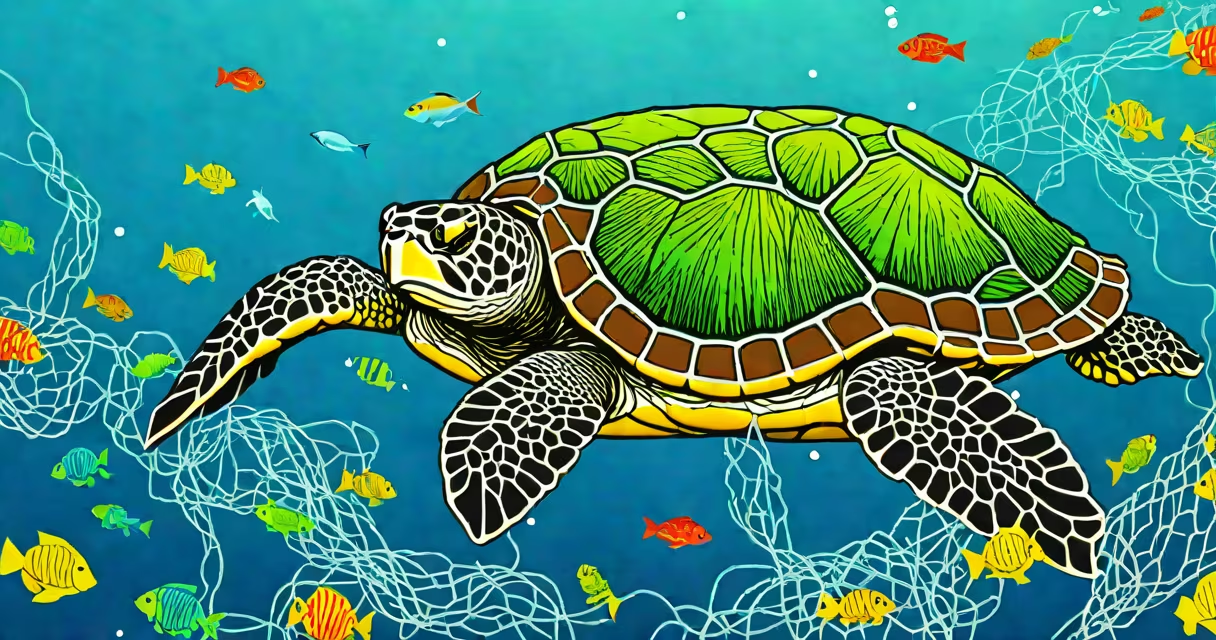
Plastic pollution in the ocean effects refer to the environmental, ecological, and health consequences caused by human-generated plastic waste entering marine ecosystems. This includes physical entanglement, ingestion by marine animals, chemical contamination through microplastics, and habitat destruction across coastal and deep-sea environments.
Plastic waste enters oceans through rivers, stormwater runoff, illegal dumping, and shipping activities. Once in the water, it degrades slowly-some plastics persist for centuries. The most visible form is macroplastics: bottles, bags, and fishing gear. But microplastics-particles under 5mm-are equally damaging due to their widespread presence and ability to absorb toxins.
According to the United Nations Environment Programme (UNEP), over 14 million metric tons of plastic enter oceans annually. The World Economic Forum estimates that by 2050, there could be more plastic than fish in the ocean by weight. These figures show the scale of the problem and the urgency of addressing its effects.
When plastic enters marine environments, it disrupts food webs and alters habitat structure. Larger debris such as abandoned fishing nets-known as "ghost nets"-continue to trap and kill marine animals for years after being lost. A single ghost net can span hundreds of meters and ensnare dolphins, seals, turtles, and sharks.
Microplastics are particularly insidious. They are ingested by plankton, small fish, and filter feeders like mussels and whales. Research published in *Nature* shows that microplastics have been detected in 75% of sampled deep-sea organisms in the North Atlantic. These particles don't biodegrade-they accumulate in tissues and may transfer toxic chemicals like PCBs and DDT into the food chain.
A 2022 study in *Science Advances* tracked microplastic concentrations in the Pacific Ocean's surface layer. Researchers found that areas near major river mouths-like the Yangtze and Ganges-had up to 10 times higher microplastic density than remote regions. This confirms that land-based sources dominate oceanic plastic loads.
Marine animals suffer direct harm from plastic pollution. Sea turtles often mistake floating plastic bags for jellyfish-their primary food source. A 2018 study in *Global Change Biology* found that 52% of sea turtles worldwide have ingested plastic. Of those, 20% died from internal blockages or perforated intestines.
Seabirds are similarly affected. Albatrosses in the Midway Atoll routinely feed plastic fragments to their chicks. In one documented case, a chick was found with 37 pieces of plastic in its stomach. The bird starved despite being fed regularly-its digestive tract was blocked.
Corals also face threats. A 2018 study in *Science* revealed that corals exposed to plastic are 20 times more likely to develop disease. Plastic acts as a vector for pathogens and reduces coral growth rates by disrupting photosynthesis in symbiotic algae.
| Type of Effect | Primary Cause | Example Species Affected | Documented Impact |
|---|---|---|---|
| Entanglement | Abandoned fishing gear | Sea turtles, seals, dolphins | Amputations, drowning, reduced mobility |
| Ingestion | Macroplastics and microplastics | Albatrosses, whales, fish | Internal injury, starvation, toxin buildup |
| Habitat Damage | Plastic accumulation on seabeds | Corals, seagrass beds | Reduced oxygen flow, altered biodiversity |
| Chemical Contamination | Leaching additives and absorbed pollutants | Top predators (sharks, tuna) | Endocrine disruption, reproductive failure |
Many assume that biodegradable plastics solve the ocean pollution problem. This is incorrect. Bioplastics require industrial composting facilities to break down properly. In marine environments, they degrade at similar rates to conventional plastics-often releasing microplastics in the process.
Another myth is that ocean cleanup technologies can reverse the damage. While devices like The Ocean Cleanup's passive collection systems have removed over 1 million kilograms of plastic from the Great Pacific Garbage Patch since 2018, they only address surface debris. Deep-sea plastic and microplastics remain largely untouched. The system captures only 1% of the total plastic load in the patch each month.
There's also confusion between plastic pollution and marine litter. Marine litter includes all waste dumped into oceans-paper, metal, glass-but plastic pollution specifically refers to synthetic polymers. Plastics make up 80% of marine debris by volume, according to UNEP. Their persistence and fragmentation make them uniquely harmful.
The Mediterranean Sea illustrates the cumulative effect of plastic pollution. With 220 million people living along its coasts, it receives 1.2 million tons of plastic waste annually. A 2021 survey by the European Environment Agency found microplastics in 90% of fish samples taken from the Adriatic and Aegean Seas.
One specific case involved a bottlenose dolphin found dead off the coast of Greece. Autopsy results showed 46 plastic items in its stomach, including bottle caps, fishing line, and fragments of packaging. The animal had starved despite consuming large amounts of plastic. This case exemplifies how plastic ingestion leads to malnutrition and death-even in apex predators.
I observed this phenomenon firsthand during a field trip to the Greek island of Sifnos. Local fishermen reported catching fewer fish over five years. When we analyzed their nets, we found high levels of microplastic fibers-some embedded in the mesh itself. The nets were no longer effective at catching fish, suggesting that plastic pollution affects both ecosystems and livelihoods.
Understanding plastic pollution in the ocean effects requires recognizing that solutions must go beyond individual recycling. Systemic change is needed-from reducing single-use plastics to enforcing extended producer responsibility laws. Countries like Rwanda and Kenya have banned plastic bags entirely, resulting in measurable reductions in urban plastic waste.
Plastic pollution in the ocean effects are not hypothetical. They are measurable, documented, and escalating. The evidence shows that plastic waste harms wildlife, damages habitats, and threatens food security. Addressing this crisis demands coordinated action across governments, industries, and individuals.