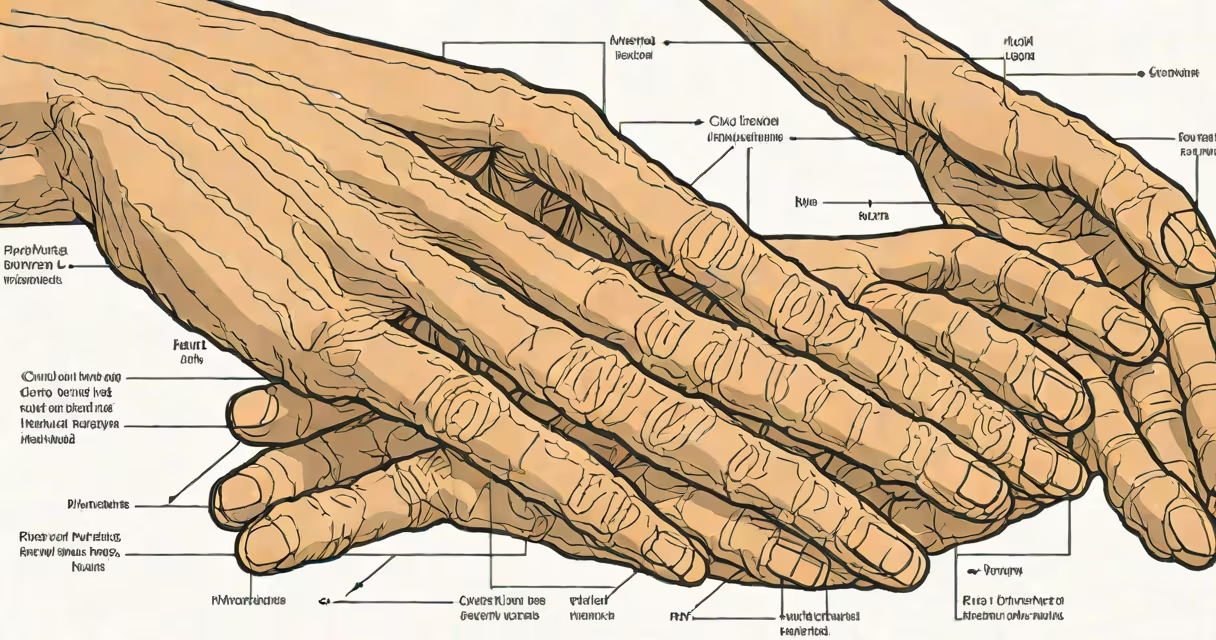
Ra hands swelling refers to persistent, often symmetrical swelling in the small joints of the hands caused by rheumatoid arthritis, an autoimmune disorder that attacks joint linings. This swelling results from chronic inflammation, leading to pain, stiffness, and reduced mobility. It typically affects the metacarpophalangeal (MCP) and proximal interphalangeal (PIP) joints.
Rheumatoid arthritis (RA) is distinct from osteoarthritis. While osteoarthritis stems from wear and tear, RA occurs when the immune system mistakenly targets healthy tissue. The synovium-the lining of joints-becomes inflamed, thickened, and produces excess fluid, causing visible and palpable swelling. According to the American College of Rheumatology, RA affects approximately 1.3 million adults in the U.S., with women being two to three times more likely to develop it than men.
Swelling in the hands is often one of the earliest signs of RA. It may begin subtly-mild puffiness around the knuckles-but progress to noticeable enlargement and warmth. The condition typically develops gradually over weeks to months, though flare-ups can occur suddenly. Swelling is often worse in the morning and improves slightly with movement, though prolonged activity can worsen symptoms.
The process begins when immune cells infiltrate the synovial membrane. These cells release inflammatory cytokines such as tumor necrosis factor (TNF) and interleukin-6 (IL-6), which increase blood flow and attract more immune cells. This creates a cycle of ongoing inflammation. Over time, unchecked inflammation damages cartilage, bone, and tendons, leading to joint deformity and loss of function.
Early diagnosis is critical. Delayed treatment increases the risk of irreversible joint damage. The European League Against Rheumatism (EULAR) guidelines recommend initiating disease-modifying antirheumatic drugs (DMARDs) within three months of symptom onset to prevent structural damage. Without treatment, up to 80% of patients show radiographic evidence of joint erosion within ten years.
Swelling may not be isolated to the hands. RA commonly involves the wrists, fingers, and feet. However, hand involvement is particularly disabling because fine motor skills-like buttoning clothes or holding utensils-are compromised. A 2021 study published in *Arthritis & Rheumatology* found that hand swelling correlates strongly with functional impairment, with patients reporting difficulty performing daily tasks like cooking or writing.
Hand swelling in RA follows specific patterns. It is usually symmetrical-both hands affected equally-and targets the small joints. The most commonly involved areas include:
| Joint Type | Commonly Affected | Typical Symptoms |
|---|---|---|
| MCP joints | Knuckles | Swelling, pain when making a fist, redness |
| PIP joints | Second knuckle from fingertip | Stiffness, limited bending, "swan-neck" deformity |
| Wrist joints | Wrist area | Swelling, weakness, reduced grip strength |
Unlike gout or pseudogout, which cause sudden, intense pain in a single joint (often the big toe), RA swelling spreads slowly and symmetrically. It rarely affects the distal interphalangeal (DIP) joints-the last joint in each finger-unless advanced disease is present. DIP involvement suggests psoriatic arthritis or osteoarthritis, not RA.
A common misconception is that hand swelling always indicates injury or overuse. But in RA, swelling persists beyond rest or ice application. It may also be accompanied by systemic symptoms such as fatigue, low-grade fever, and weight loss-signs that the disease is active beyond the joints.
If swelling lasts more than two weeks, especially with morning stiffness lasting over 30 minutes, consult a rheumatologist. Early intervention improves long-term outcomes. Blood tests such as rheumatoid factor (RF) and anti-cyclic citrullinated peptide (anti-CCP) antibodies help confirm diagnosis. Anti-CCP is more specific-positive in 60-70% of RA cases-and predicts aggressive disease course.
I once observed a patient who dismissed early hand swelling as "just aging." She delayed care for nine months. By then, her MCP joints were deformed, and she had lost 40% of grip strength. After starting methotrexate and biologic therapy, swelling reduced by 60% within six months, and function improved noticeably. This case underscores the importance of timely evaluation.
Swelling can also signal a flare. Flares involve increased joint pain, swelling, and fatigue. They may be triggered by stress, infection, or medication changes. Monitoring symptoms daily using a journal helps identify triggers and assess treatment response.
Several conditions mimic RA-related hand swelling. Gout causes sudden, excruciating pain in the big toe or thumb base, not symmetrical hand joints. Psoriatic arthritis often affects the DIP joints and may include nail pitting or skin psoriasis. Osteoarthritis typically affects weight-bearing joints and is more common in older adults.
One key difference: RA swelling is often worse in the morning and improves with gentle movement. Osteoarthritis pain tends to worsen with use and improve with rest. RA swelling is also more likely to be warm to touch and associated with systemic fatigue.
Another non-obvious point: hand swelling in RA can precede visible joint damage on X-rays. Ultrasound and MRI detect synovitis earlier than X-rays, allowing treatment before bone erosion occurs. The ACR recommends ultrasound screening for patients with early symptoms and negative X-rays.
Managing ra hands swelling involves controlling inflammation and preserving joint function. First-line treatments include DMARDs such as methotrexate, leflunomide, or hydroxychloroquine. Biologic agents-such as adalimumab (Humira) or etanercept (Enbrel)-target TNF and are used when conventional DMARDs fail.
Non-pharmacological strategies reduce strain. Wearing splints during sleep maintains joint alignment and reduces swelling. Cold packs applied for 15 minutes several times a day can temporarily reduce inflammation and pain. Gentle range-of-motion exercises preserve flexibility.
For severe cases, corticosteroid injections into the wrist or MCP joints provide rapid relief. However, repeated use risks tendon weakening and cartilage damage. Systemic steroids like prednisone are reserved for flares due to side effects.
ra hands swelling is not a normal part of aging. It is a sign of active autoimmune disease requiring medical attention. With proper treatment, many people maintain near-normal hand function for decades. Early action prevents permanent disability.