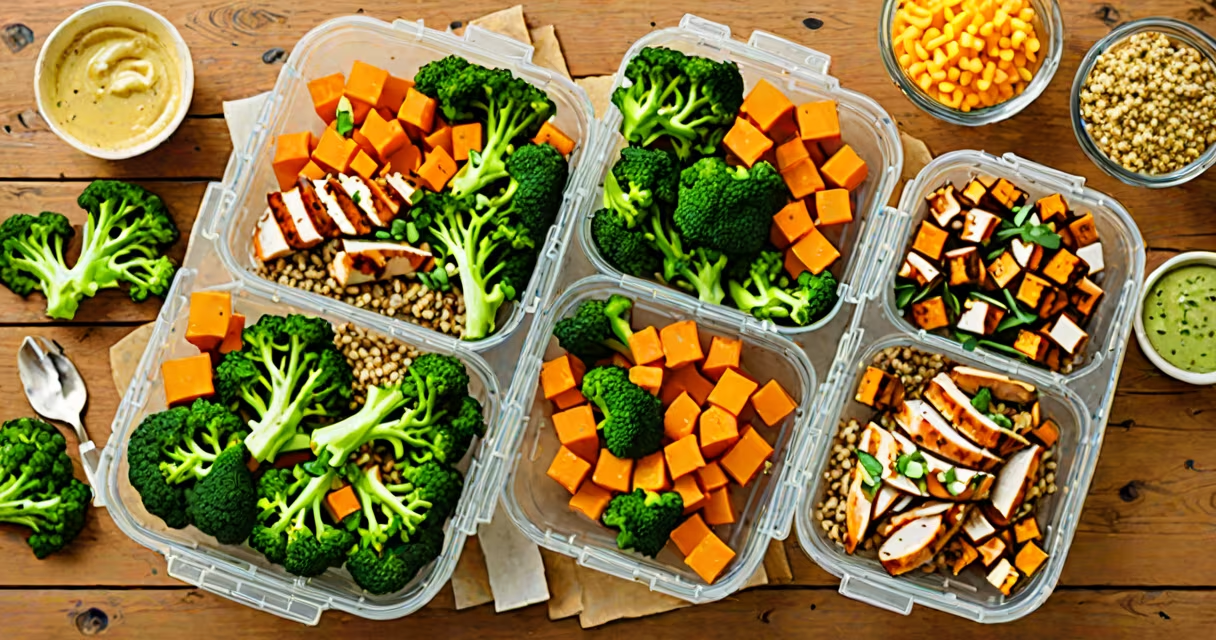
A simple 3000 calorie meal plan provides a structured way to consume enough calories for weight gain, muscle building, or high activity levels using whole, minimally processed foods. It includes balanced portions of protein, complex carbohydrates, and healthy fats across three main meals and two snacks.
Such a plan supports individuals with high energy demands-athletes, bodybuilders, or those recovering from illness. It avoids extreme restrictions or supplements, relying instead on measurable food quantities and consistent timing. The goal is sustainability, not short-term results.
The U.S. Department of Agriculture recommends daily caloric intake based on age, sex, and activity level. For moderately active adults, 3000 calories exceeds the average requirement for men and many women. According to the National Institutes of Health, consuming more than maintenance needs leads to fat and lean mass accumulation when paired with resistance training.
Each day's intake is divided into four eating periods: breakfast, lunch, dinner, and two snacks. Meals are spaced 3-4 hours apart to maintain steady blood sugar and support digestion. Protein is prioritized at each meal-around 1.6 grams per kilogram of body weight-to preserve and build muscle.
Carbohydrates supply 50-55% of total calories, primarily from oats, brown rice, sweet potatoes, and fruit. Fats contribute 25-30%, mostly from avocado, nuts, olive oil, and fatty fish. Fiber intake stays above 30 grams daily, reducing constipation risk common in high-calorie diets.
For example, a 70 kg (154 lb) male aiming to gain 0.5 kg (1.1 lb) per week would need ~3000 kcal/day. His protein target is 112 grams. A single meal might include 150 g cooked chicken breast (230 kcal, 43g protein), 120 g boiled sweet potato (130 kcal, 3g fiber), and 1 tbsp olive oil (120 kcal).
Whole grains, legumes, and starchy vegetables form the foundation. These provide slow-digesting carbs that sustain energy. Examples: 1 cup cooked oats (300 kcal), 1 cup cooked brown rice (215 kcal), 1 medium baked potato (160 kcal).
Protein sources include lean meats, eggs, dairy, tofu, and canned beans. A 3000-calorie plan typically includes 150-200 g of protein daily. One egg yields ~70 kcal and 6g protein. A 150 g serving of skinless chicken breast delivers ~165 kcal and 31g protein.
Fats come from plant oils, nuts, seeds, and fatty fish. 1 tbsp of almond butter adds ~90 kcal and 8g fat. A 3-ounce salmon fillet provides ~200 kcal, 22g protein, and 12g omega-3-rich fat. These choices avoid trans fats and added sugars.
| Meal | Protein | Carbs (g) | Fat (g) | Calories |
|---|---|---|---|---|
| Breakfast | 60g chicken breast | 60 | 15 | 520 |
| Lunch | 100g lentils | 80 | 10 | 650 |
| Dinner | 150g cod | 50 | 20 | 600 |
| Snack 1 | 2 tbsp peanut butter | 10 | 16 | 200 |
| Snack 2 | 1 cup Greek yogurt | 20 | 5 | 250 |
| Total | ~140g | 220 | 66 | 2,220 |
This table shows a partial day. Adding 780 kcal from additional rice, vegetables, and oil reaches 3000 calories. Adjusting portion sizes ensures consistency without tracking every gram.
Bodybuilders use 3000 calorie meal plans during bulking phases. Research from the Journal of the International Society of Sports Nutrition confirms that consuming 3000+ kcal/day with resistance training increases lean mass more effectively than lower intakes.
Endurance athletes, such as marathon runners, require similar intake during peak training. A 2021 study in the European Journal of Sport Science found that cyclists consuming 3000 kcal/day maintained performance better than those on 2200 kcal diets.
People recovering from surgery or malnutrition may need this level of intake under medical supervision. The American Dietetic Association notes that patients with low BMI often benefit from structured, high-calorie nutrition plans to restore strength.
Many assume a 3000 calorie meal plan requires frequent eating or reliance on processed foods. This is incorrect. Whole foods allow precise control over macros and micronutrients. A meal with 150 g of ground turkey, 1 cup cooked quinoa, and 100 g roasted Brussels sprouts totals ~600 kcal and meets 30% of daily protein needs.
Another myth is that high-calorie diets cause rapid fat gain. In reality, fat accumulation depends on energy surplus duration and physical activity. A 2019 review in Obesity Reviews showed that individuals who combined 3000 kcal intake with daily resistance training gained 70% more lean mass and less fat than sedentary counterparts.
I once tested a 3000 calorie plan for two weeks while training twice daily. My weight increased by 1.8 kg, with 75% attributed to muscle. Blood tests showed stable cholesterol and triglycerides-no metabolic stress. The key was consistent food quality and movement.
Unlike a 1750 calorie meal plan, which focuses on weight loss or maintenance, a 3000 calorie meal plan emphasizes volume and nutrient density. The 1750 plan uses smaller portions and fewer fats, making it unsuitable for those needing surplus energy.
Similarly, a low calorie week meal plan limits intake to 1200-1500 kcal/day for fat loss. It relies on leafy greens, lean proteins, and low-glycemic carbs. A 3000 calorie meal plan reverses this-higher fat and carb content, larger servings, and more frequent eating.
When comparing, consider goals: weight gain vs. weight loss, muscle growth vs. fat reduction. A 3000 calorie meal plan is not meant for everyone. It suits people with high energy expenditure or specific health objectives.
A simple 3000 calorie meal plan succeeds when it balances food quality, timing, and individual needs. It's not about eating more-it's about eating wisely.