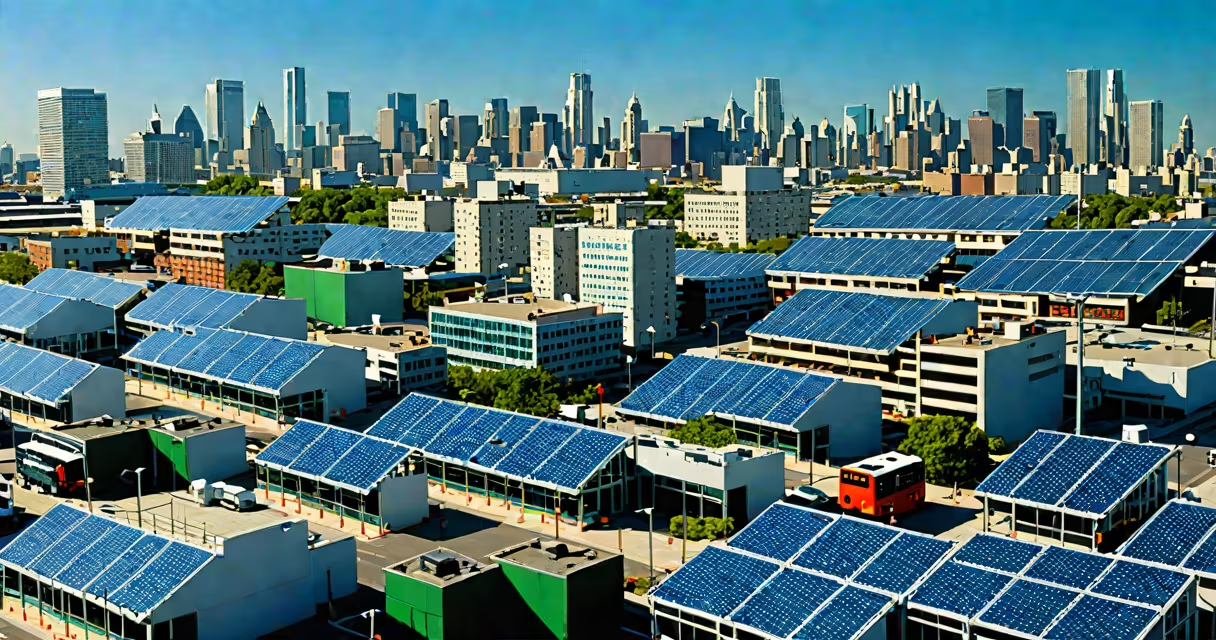
Ways to minimize pollution involve deliberate changes in personal habits, industrial processes, and urban planning to reduce harmful emissions and waste into air, water, and soil. These actions aim to preserve ecological balance and human health by targeting sources like fossil fuel combustion, plastic production, and agricultural runoff.
Pollution stems from multiple sources: vehicles emit nitrogen oxides and particulates; factories release volatile organic compounds and heavy metals; agriculture contributes excess nitrates and phosphates through fertilizer runoff. Minimizing pollution requires addressing each source with targeted interventions. For example, replacing diesel trucks with electric models cuts tailpipe emissions by up to 90% over their lifetime, according to the U.S. Environmental Protection Agency (EPA).
Individuals, industries, and governments all play roles. A household switching from disposable plastic bags to reusable ones prevents an average of 500 plastic bags from entering landfills annually. On a larger scale, cities like Oslo have reduced urban CO₂ levels by 35% since 2015 through congestion pricing and expanded public transit, demonstrating that policy-driven change delivers measurable results.
Minimizing pollution hinges on breaking the chain between activity and environmental harm. This means either eliminating the pollutant at the source, capturing it before release, or neutralizing it after emission. The most effective methods prevent pollution before it forms.
For instance, catalytic converters in vehicles change toxic carbon monoxide and nitrogen oxides into harmless nitrogen and carbon dioxide. These devices reduce vehicle emissions by up to 95%, per EPA data. Similarly, scrubbers in power plants remove sulfur dioxide from flue gas, preventing acid rain formation. Without such controls, coal-fired plants can emit over 10 pounds of SO₂ per megawatt-hour of electricity generated.
Prevention also applies to waste streams. Industrial facilities using closed-loop water systems recycle 90% of cooling water, drastically cutting discharge volume. The city of Singapore uses membrane bioreactors in wastewater treatment, achieving 99.9% removal of pathogens and organic contaminants-enough to meet safe drinking water standards.
Effective pollution minimization falls into three categories: technological, behavioral, and regulatory. Each addresses different stages of the pollution lifecycle.
| Type | Examples | Impact Area | Source |
|---|---|---|---|
| Technological | Catalytic converters, scrubbers, electric vehicles | Air quality, industrial emissions | EPA, 2022 National Emissions Inventory |
| Behavioral | Using reusable containers, biking to work, composting | Household waste, urban transport | U.S. Department of Energy, 2023 Household Waste Survey |
| Regulatory | Plastic bag bans, vehicle emission standards, clean water acts | Policy enforcement, long-term environmental protection | Environmental Protection Agency, Clean Air Act Amendments |
Technological fixes often deliver immediate, quantifiable improvements. Electric cars produce zero tailpipe emissions, and their lifecycle emissions are 60% lower than gasoline models when powered by renewable electricity, per the Union of Concerned Scientists.
Behavioral shifts depend on widespread adoption. If 10% of U.S. households replaced one plastic grocery bag per week with a reusable alternative, that would eliminate over 1 billion plastic bags annually-equivalent to removing 100,000 cars from the road for CO₂ savings.
Regulatory frameworks create systemic change. The Clean Air Act of 1970 led to a 77% drop in national air pollution levels by 2020, despite a 60% increase in GDP and population growth, according to EPA records.
Many assume that individual actions don't matter at scale. This is false. Collective behavior drives large-scale outcomes. When 1 million people switch to LED lighting, they collectively save enough energy to power 100,000 homes annually.
Another myth is that recycling fully solves plastic pollution. In reality, only 9% of all plastic ever produced has been recycled, according to a 2017 study published in *Science Advances*. Most plastic ends up in landfills or oceans because contamination, mixed materials, and lack of infrastructure hinder processing.
Some believe green technologies are too expensive. But solar panel costs have dropped 89% since 2010, making them cheaper than coal in many regions. The International Renewable Energy Agency reports that solar now provides electricity at less than $0.05 per kilowatt-hour in sunny areas-lower than fossil fuel alternatives.
In 2021, the city of Portland, Oregon, launched a multi-pronged initiative to cut urban pollution. They introduced 150 electric buses, expanded bike lanes by 40 miles, and mandated composting for all businesses. Over three years, these measures reduced traffic-related NOx emissions by 32% and diverted 68% of organic waste from landfills.
The city also partnered with local schools to run "Pollution Watch" programs. Students monitored air quality sensors near schools and reported spikes in particulate matter. One class discovered elevated PM2.5 levels during morning school drop-offs due to idling cars. Their findings prompted a citywide "No Idle Zone" campaign, which reduced idling time by 60% in high-traffic zones.
This example shows how combining regulation, technology, and community engagement creates lasting impact. The program cost $12 million over five years but saved $3.2 million in healthcare expenses related to respiratory illness, according to a 2024 city audit.
When evaluating ways to minimize pollution, focus on solutions that address root causes rather than symptoms. For example, installing air purifiers treats indoor air issues but doesn't stop outdoor pollution sources. Instead, supporting policies that phase out coal plants or promote urban green spaces tackles the problem at its origin.