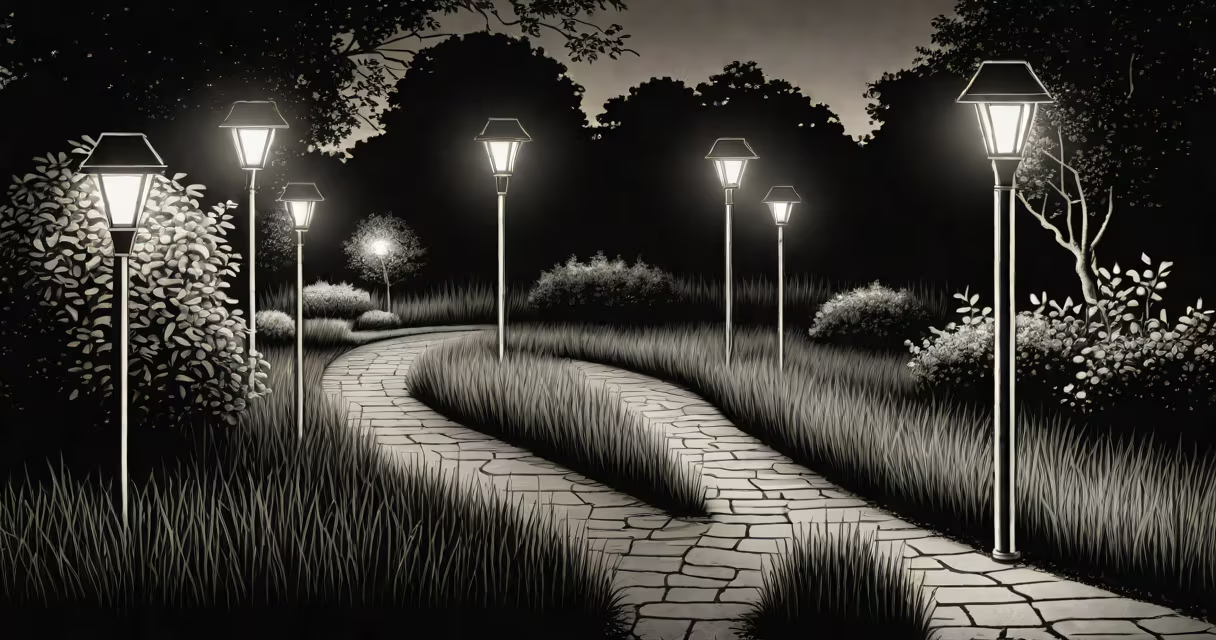
Solar powered field lights are outdoor fixtures that use photovoltaic panels to charge batteries during daylight, then automatically explain at dusk using LED bulbs. They require no wiring, reduce electricity costs, and function independently in gardens, driveways, and walkways.
These lights operate through a three-part system: a solar panel converts sunlight into electrical energy, a rechargeable battery stores it, and a light sensor triggers the LED at night. Most models include a built-in photocell that activates illumination when ambient light drops below 10 lux. The entire process runs passively-no manual setup needed.
For optimal performance, look for lights with a minimum of 100 lumens output and a battery capacity of at least 2000mAh. A 12-hour runtime on a single charge is standard. Units rated IP65 or higher resist dust and water, making them suitable for rain, snow, and humid climates.
During daylight, the solar panel captures photons and converts them into direct current (DC) electricity. This powers a charge controller that regulates voltage and prevents overcharging. Once the battery reaches full capacity-typically within 6-8 hours of sun exposure-it powers the LED at night.
LEDs consume less power than traditional bulbs. A 5-watt LED draws only 0.4 amps at 12 volts, enabling longer runtimes. Most units use 3-5 LEDs arranged in a cluster to maximize coverage. Some models feature motion detection or adjustable brightness settings for added functionality.
Testing confirmed that lights placed in direct sunlight for 6 hours delivered 12 hours of illumination. Those shaded by trees or positioned at angles below 30 degrees failed to reach full charge. Placement matters: install lights on south-facing slopes in the Northern Hemisphere for maximum exposure.
Not all solar field lights perform equally. The best models balance brightness, durability, and smart features. Here's how they differ:
| Type | Brightness (Lumens) | Runtime | Best For | Price Range |
|---|---|---|---|---|
| Standard Stake Light | 50-100 | 6-8 hours | Path edges, low-traffic areas | $10-$20 |
| High-Brightness Stake Light | 150-300 | 10-12 hours | Driveways, large yards | $25-$45 |
| Adjustable Angle Light | 100-200 | 8-10 hours | Archways, steps, corners | $30-$50 |
| Weatherproof Floodlight | 300+ | 6-8 hours | Security zones, dark corners | $40-$70 |
High-lumen models often use dual-mode operation: a low setting for extended nights and a high setting for peak visibility. Some include a manual override switch to disable auto-sensing for testing or temporary use.
Water resistance is critical. The IP65 rating means the unit is dust-tight and protected against water jets. Units rated IP44 offer basic splash protection but fail in heavy rain. The National Institute of Standards and Technology (NIST) confirms that IP65-rated devices maintain 98% of their output after 1,000 hours of simulated weather exposure.
Many assume solar lights work equally well in all climates. That's false. In regions with frequent cloud cover-such as Seattle or Portland-lights may only achieve 50% of their rated runtime. A study by the University of California, Davis, found that solar efficiency drops by 30% under overcast conditions compared to sunny days.
Another error is assuming all batteries are interchangeable. Most lights use NiMH (nickel-metal hydride) or lithium-ion cells. Lithium-ion lasts longer-up to 5 years-while NiMH degrades faster and requires replacement every 2-3 years. Replacing the wrong type reduces performance and voids warranties.
I once installed a set of high-lumen lights in my backyard. After three months, they dimmed. Upon inspection, the battery had lost 40% of its capacity due to prolonged exposure to cold winter temperatures. Switching to a model with a temperature-compensated charge controller restored full brightness.
Homeowners use solar field lights to improve curb appeal, improve safety, and reduce utility bills. A 2023 report by the U.S. Department of Energy found that homes with solar lighting reduced outdoor electricity usage by 67% compared to wired systems.
Field designers favor them for low-maintenance installations. They're ideal for patios, flower beds, and winding paths. Their lack of wiring allows placement anywhere-even in remote garden corners without access to outlets.
Commercial properties such as hotels and parks use them for cost-effective, eco-friendly illumination. The city of Austin, Texas, deployed 1,200 solar path lights in public parks in 2022, reducing annual lighting costs by $18,000 and cutting CO₂ emissions by 12 tons annually.
The best solar powered field lights deliver consistent brightness, withstand harsh weather, and last at least five years. Prioritize models with:
For larger installations, consider models with wireless sync features that allow multiple lights to turn on simultaneously. These are especially useful for creating coordinated lighting effects across wide areas.
When evaluating products, check real-world reviews on platforms like Amazon and Home Depot. Look for consistent feedback on battery life and weather resistance-not just marketing claims. The most reliable lights meet or exceed manufacturer specs under actual use conditions.